 Retro Replay Retro Gaming History, Reviews & Emulation
Game Overview
Gameplay
Record of Agarest War Zero is at its best when a battlefield that initially looks intimidating starts to make sense. You move a group across a grid, spend AP on movement and skills, and have to account for an action order shaped by agility and the AP characters still have available. It is the sort of combat where a turn can look simple until you realize one unnecessary step may disrupt the plan you had for the whole party.
Extended Areas are where the tactical side gains its personality. Linking party members opens the door to joint attacks, and chaining skills can create Arts. Getting characters into the right formation and building a useful sequence gives victories a satisfying, constructed feeling. You are not merely selecting attacks in isolation. You are arranging a team so their actions can connect.
That same deliberate structure can become frustrating when you want to move quickly. AP management and turn-order considerations demand attention, and a poor position can limit the attacks available to you. Still, that friction is part of the point rather than empty busywork. Give the combat room to breathe, especially early on, and it rewards patience with stronger tactical decisions.
Outside battle, towns, equipment, and blacksmith services give the campaign a practical layer of preparation. These systems fit the game’s careful pace: fight, improve your party, then return to the grid with a better plan. If you want a role-playing game that turns party coordination into the main event, Zero has a firm tactical hook.
Graphics
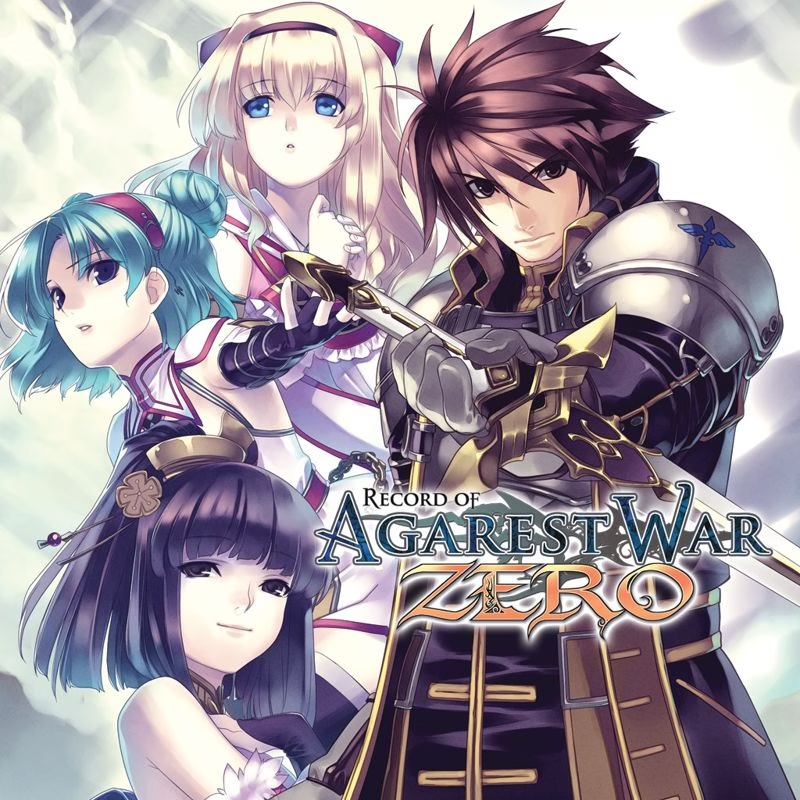
The game pairs anime-style character art with isometric tactical battle scenes. The angled battlefield view suits a game built around placing several units and linking their attack range, making the spacing between allies and opponents easy to read during a turn.
Story
As a prequel, Record of Agarest War Zero begins with a direct crisis for Sieghart, a commander fighting for the forces of light. He rescues Mimel, suffers a mortal wound, and survives only after she transfers her Power of Liberation to him. It is a dramatic opening that immediately ties the central pair together through an act of sacrifice.
The premise has a properly high-stakes fantasy tone, but its most useful quality is that it gives the campaign a personal anchor. Sieghart is not introduced as a detached hero wandering into trouble. His survival is bound to Mimel’s intervention from the outset, which gives their connection weight before the larger conflict has room to unfold.
Come to Zero if you like a tactical RPG story with an earnest, character-centered fantasy setup. The opening does not hide its melodrama, and that is likely a feature for the right audience. It establishes duty, danger, and a life-changing bond clearly enough to make the campaign’s stakes easy to invest in.
Overall Experience
Record of Agarest War Zero is a good fit when you want turns that demand planning rather than quick improvisation. Its strongest moments come from making a formation work: conserve the AP you need, consider when everyone will act, link the party, and turn that setup into a coordinated strike. The resulting victories feel earned because the game makes you build them.
It can be a tougher recommendation for anyone who wants combat to move at a fast, breezy pace. The grid, AP economy, and linked-attack setup ask you to engage with the details, and the game is less forgiving when you neglect them. There is a learning curve, but it serves a system with genuine tactical texture.
For strategy-minded RPG fans, Zero is worth the commitment. Its prequel setup gives the story an immediate emotional stake, while its battle design asks you to think about the party as a connected unit. Stick with it long enough for Extended Areas and Arts to click, and the game’s methodical rhythm becomes its biggest strength.

Reviews
There are no reviews yet.