 Retro Replay Retro Gaming History, Reviews & Emulation

Retro Replay Review
Gameplay
The first hour makes its priorities clear: Saints Row: The Third wants you firing your way out of absurd situations, then immediately handing you a city full of things to steal, shoot, buy, and conquer. The third-person action has an intentionally rowdy rhythm, bouncing between gunfights, driving, and missions that keep pushing the Saints’ revenge campaign forward. Steelport may be under the Syndicate’s control, but you are never asked to behave like a careful underdog for long.
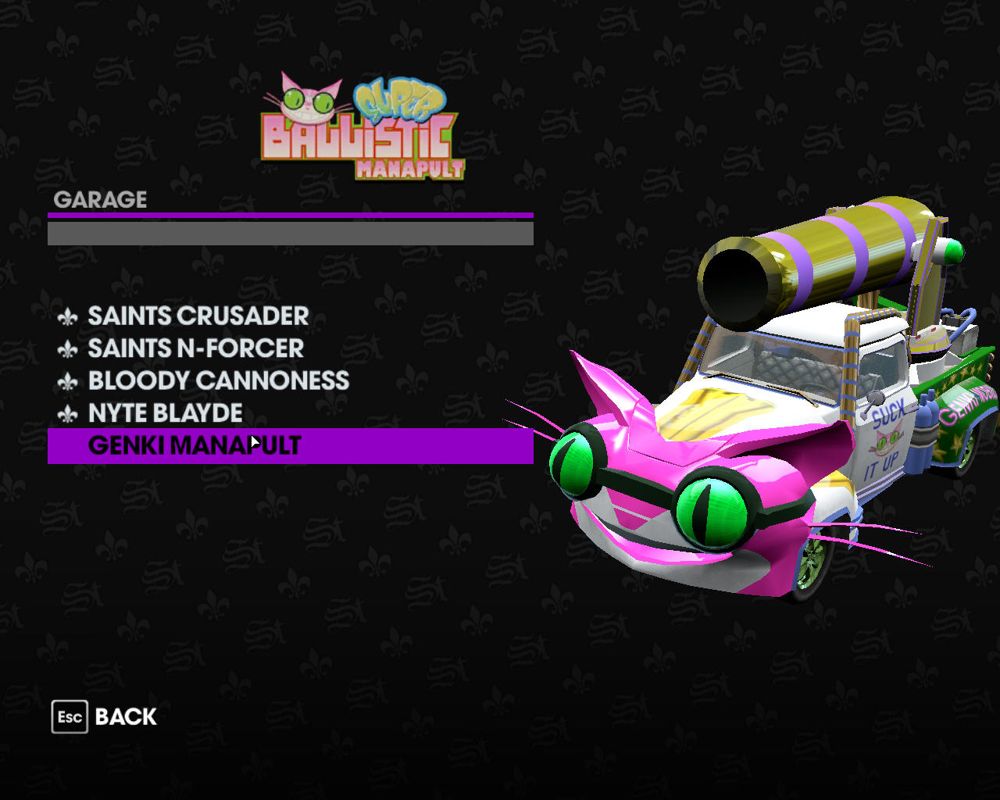
What starts to click is the way progression feeds the power fantasy. Missions, Activities, Strongholds, and Flashpoints all pay out money, equipment, vehicles, and reputation. Reputation now functions as experience for upgrades, letting you improve weapons and cars with additions such as scopes and extra barrels. Meanwhile, purchased shops and properties turn into ongoing income, so the city gradually feels less like hostile ground and more like an operation you are building back up.
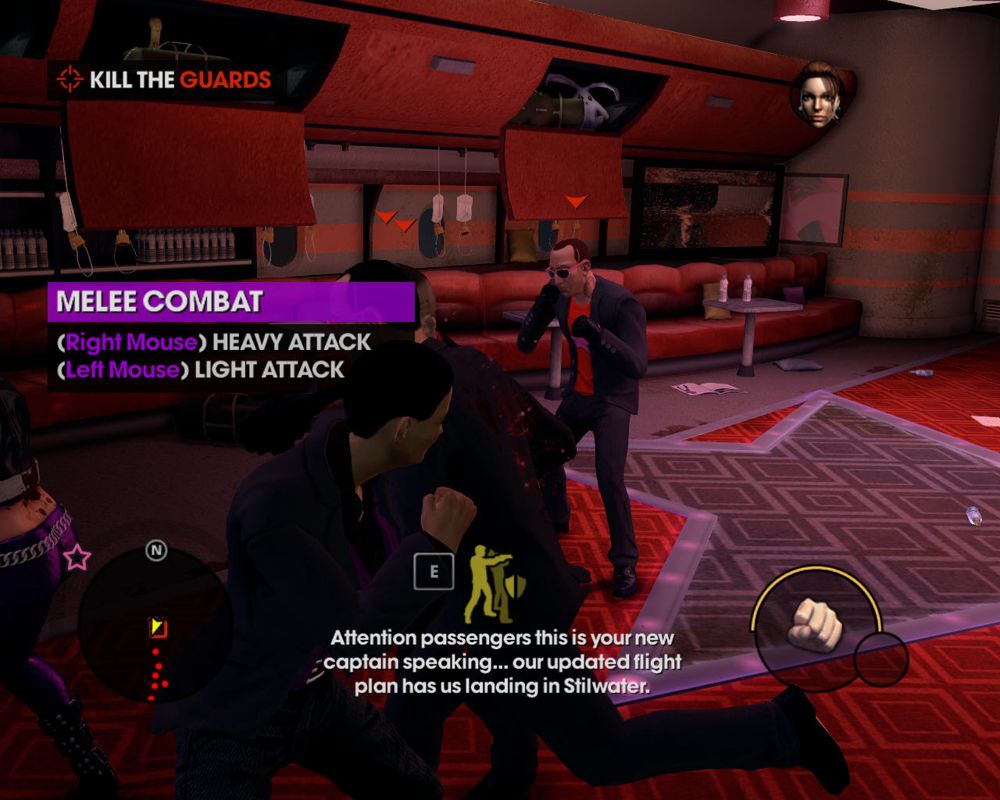
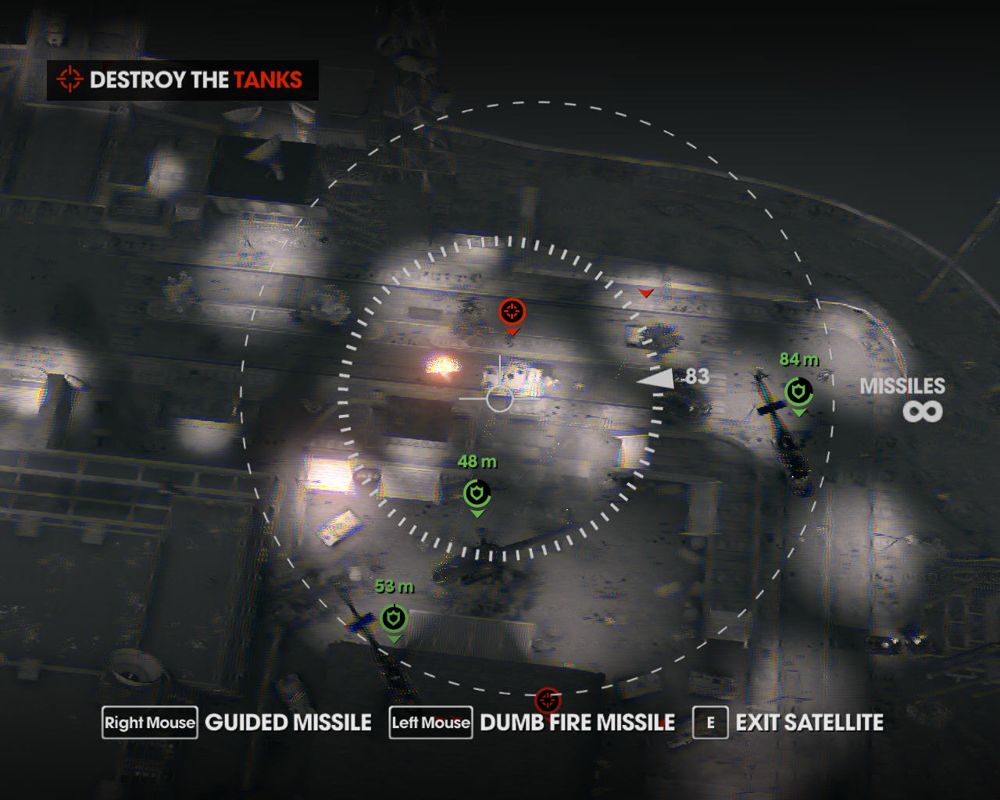
There is welcome flexibility in how you spend your time. You can stick to story missions, clear rival bases, dive into Activities scattered around town, or cause trouble until an opportunity catches your eye. A few missions offer different approaches or choices, while airstrikes and the remote-control electric bug give the arsenal a more playful streak than a straight crime shooter. The fast-action button is a small but smart touch: holding it while taking a car turns a routine theft into a missile-kick that sends the driver flying.
Combat is deliberately direct rather than tactical, and the faster health regeneration outside combat keeps failures from becoming a long recovery chore. That makes the game easy to pick up, though it can also make extended shooting feel repetitive if the jokes and escalation are not landing for you. Co-op is a major plus: a second player can join missions and activities and receive credit for completion, turning the whole campaign into a shared wrecking spree.
Graphics
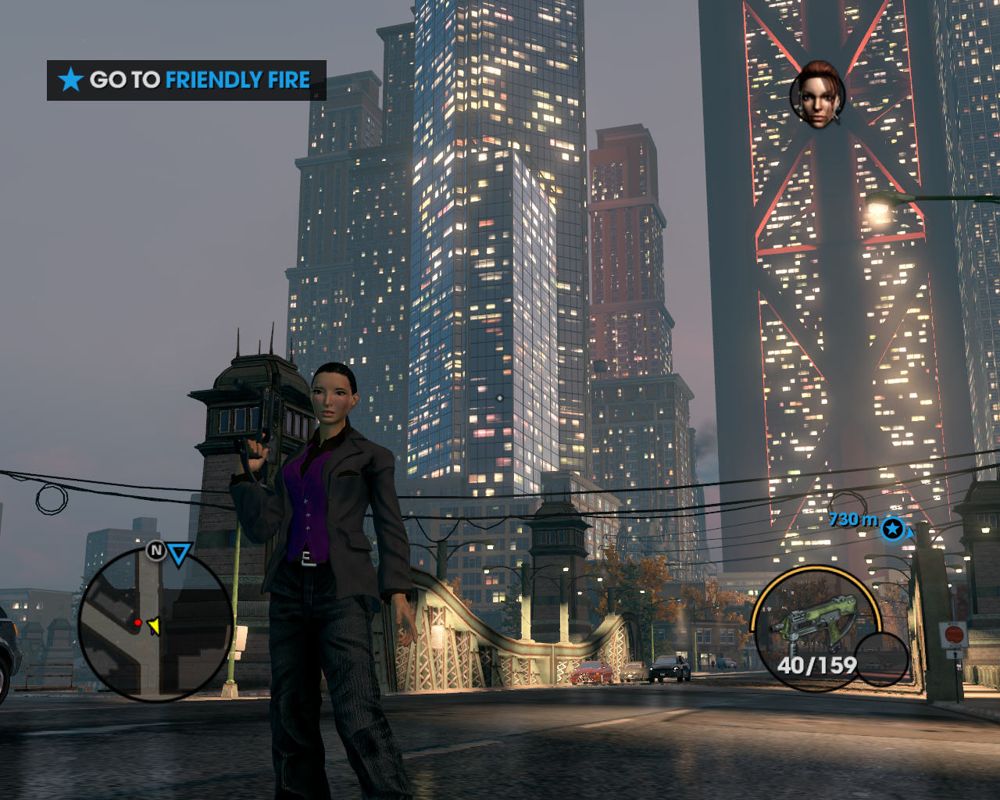
Steelport trades on a struggling industrial-city backdrop, with factory history and economic decline framing the Saints’ war against the Syndicate. The behind-view camera keeps the focus close during shooting and driving, which suits the game’s broad physical comedy and quick vehicle thefts.
Story
The story begins with the Saints at their most inflated: they have gone from conquering Stilwater to becoming a media empire with an energy drink, fans, and a movie deal. That inflated status makes the bank robbery with actor Josh Birk a fittingly ridiculous way to kick off the next disaster. When the Syndicate intervenes, the game has a clean motive for its mayhem: the Saints have been humiliated, displaced, and challenged to take a new city.
The escape from Phillipe Loren’s jet gives the campaign a sharper emotional push than its comedy-first tone might suggest. Gat is left behind and presumed dead while the leader and Shaundi escape, turning the move to Steelport into revenge as much as ambition. The game does not ask you to mourn quietly; it asks you to answer a personal loss by making the Syndicate regret starting the fight.
Steelport’s three Syndicate factions give the conflict a useful structure. The Morningstar answers to Loren and the DeWynter sisters, the Luchadores are led by wrestler Killbane, and the Deckers bring Matt Miller’s computer-savvy money laundering and security operation into the mix. It is a simple gang-war framework, but it works because every group gives the Saints another target on the road to reclaiming their name. If you enjoyed the rise-to-power setup in Saints Row 2, this sequel turns that idea into something far more celebrity-obsessed and overblown.
Overall Experience
Saints Row: The Third earns its reputation by committing to excess without apology. It takes an open-world shooting and driving foundation and treats every excuse for escalation as a good one, from novelty weapons to airstrikes to launching yourself into a car theft with a kick. You are here to make Steelport yours, but the fun comes from how gleefully the game lets you do it.
Its strongest stretch is when the story missions and city activities are both feeding your momentum: you finish one job, unlock an upgrade or earn cash, then spot another reason to keep roaming. The property income and customization options help make that loop feel rewarding beyond a simple checklist. There is enough structure to guide you, but enough side content to let you set the pace.
The trade-off is tone. This is not the Saints Row to choose if you want a restrained crime drama or deeply tactical firefights. Its comedy, cartoonish aggression, and relentless urge to top itself are the whole point. If that sounds exhausting, it probably will be; if it sounds like a welcome break from self-serious open worlds, it remains a blast, especially with a co-op partner alongside you.


Reviews
There are no reviews yet.