 Retro Replay Retro Gaming History, Reviews & Emulation
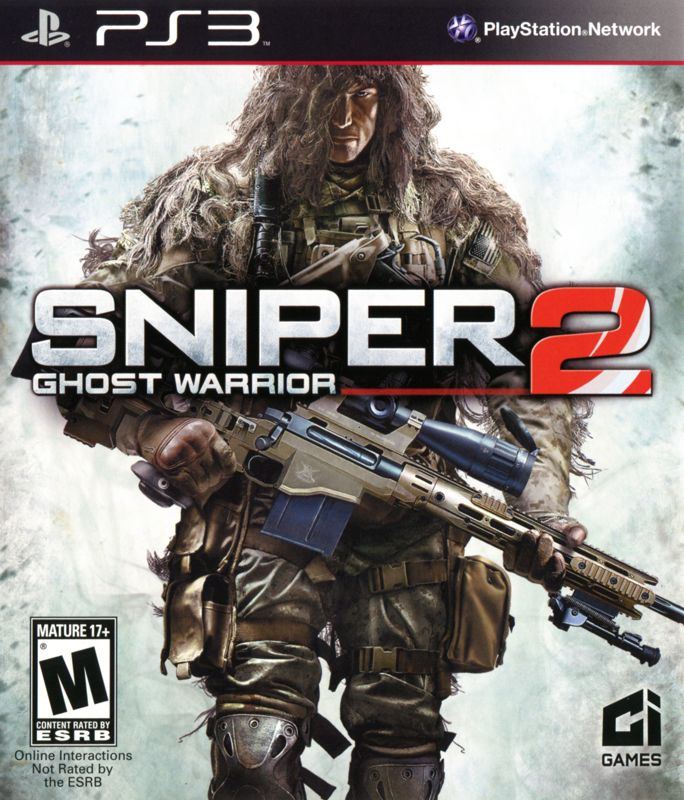
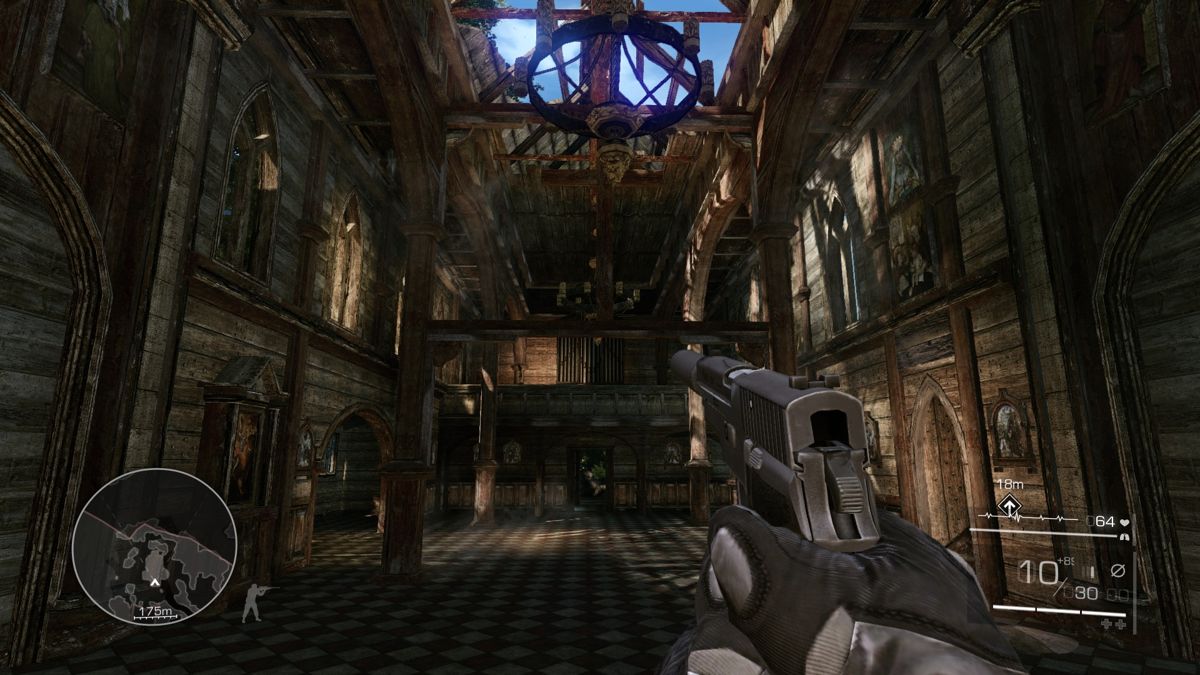
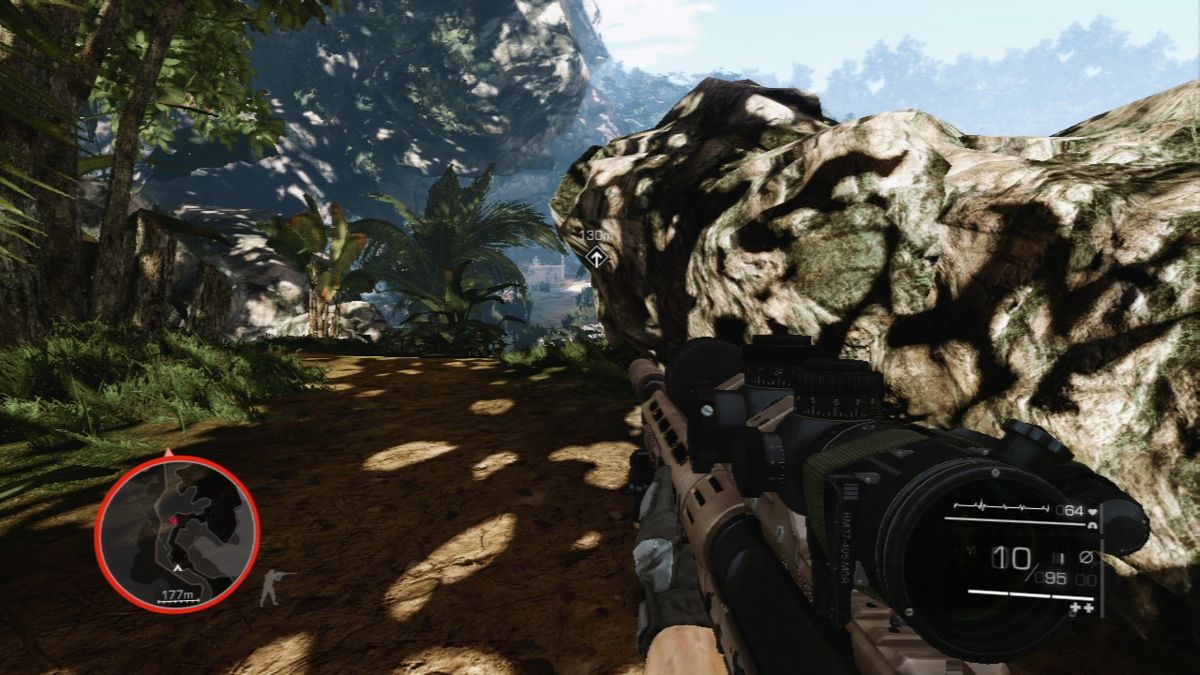

Retro Replay Review
Gameplay
The first hour asks you to slow down. Sniper: Ghost Warrior 2 is not interested in letting you treat its rifle like a scoped assault weapon; successful long shots require you to consider distance, wind, and bullet drop. That deliberate rhythm is the game’s strongest idea. Picking a target, settling in, and making the adjustment before firing gives each clean kill a sense of earned precision.
Stealth matters far more than it did in the first Sniper: Ghost Warrior, and that changes the texture of nearly every encounter. You are meant to stay concealed, use the sniper rifle efficiently, and avoid letting a quiet operation become a firefight. Poor stealth can mean immediate failure, so patience is not merely rewarded—it is required. If you enjoy learning an encounter’s safe approach and executing it cleanly, that pressure can be compelling. If you prefer recovering creatively after an alarm, the game can feel punishing.
The rifle is the centerpiece, but you are not locked into it. Other weapons and stealthy hand-to-hand assassinations offer options when the situation closes in. Still, the campaign works best when you accept its preference for controlled, long-range play rather than trying to force every mission into a more conventional shooter mold.
The 12-person online team deathmatch mode is a straightforward extra rather than the reason to play. The main draw is the single-player campaign’s focused sniper scenarios, where taking the time to line up one difficult shot is more important than running up a kill count.
Graphics
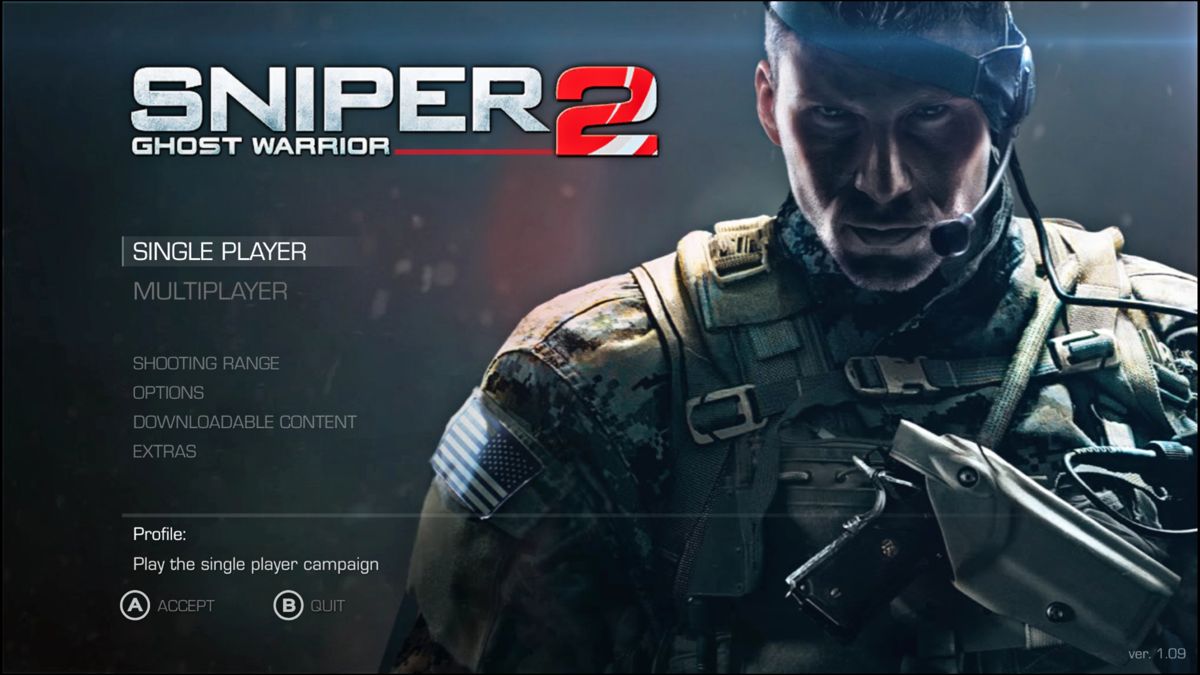
Sniper: Ghost Warrior 2 keeps you in a first-person view, with much of the action framed through a rifle scope as you scan targets at range. Its campaign travels through the Philippines, Bosnia and Herzegovina, and Tibet, giving its missions a change of locale instead of keeping Cole Anderson in one battlefield for the entire game.

Story
The campaign is split into three parts and follows Captain Cole Anderson across different points in his military life. It opens in the Philippines, where he is sent to destroy an old radar post and interfere with suspected mercenary activity. That opening fits the game’s covert, mission-first tone: the objective matters more than elaborate character drama.
The middle section jumps back 20 years to Bosnia and Herzegovina, where Anderson is still Private Cole Anderson and is assigned to photograph genocide committed by Serbian forces led by Marko Vladić. It is a weightier premise than the opening operation, though the broad structure also makes the campaign feel like a sequence of military assignments connected by Anderson rather than one continuously escalating journey.
The final stretch returns to the present and sends Anderson to Tibet to stop mercenaries from selling a bio-agent to a Jihadi warlord, an act that could trigger war between Pakistan and India. There is plenty of geopolitical stakes on paper, but the story chiefly functions as a reason to move you into another dangerous sniper operation. Come for the missions and treat the narrative as their framework.
Overall Experience
Sniper: Ghost Warrior 2 understands one important truth: a sniper shot should feel different from an ordinary trigger pull. Accounting for the environment before firing gives the game a satisfying tactical core, especially when you stay hidden and solve a situation without raising suspicion.
Its biggest frustration is also inseparable from its identity. The heavy emphasis on stealth means failure can arrive quickly when your plan falls apart. That makes success tense and satisfying, but it also leaves little room for the messy, reactive play that many shooters handle well. You need to meet the game on its terms.
At 6.1/10, this is a modest recommendation for sniper-game devotees rather than a broad FPS essential. Give it a chance if the thought of judging wind and range, waiting for the right moment, and preserving stealth sounds satisfying. Skip it if you want loose, loud firefights or a campaign that lets you improvise freely after things go wrong.


Reviews
There are no reviews yet.