 Retro Replay Retro Gaming History, Reviews & Emulation
Game Overview
Gameplay
The first thing Disaster Report 4 gets right is making disaster feel like a setting rather than a single dramatic set piece. You are caught in the middle of a major earthquake and pushed through a city where danger keeps changing shape. One moment the threat is unstable ground, then it is fire, debris, or a building that may not stay standing. That constant shift gives the journey a nervous energy that fits the subject far better than a conventional action-game loop would.
The decision-making angle is the main reason to play. Your choices affect your own safety and can affect the people around you, so the game wants you to think about the cost of moving forward rather than simply charge ahead. That is a compelling foundation for a survival game. It asks for a different kind of investment: not mastery for its own sake, but attention to the people trapped in the same crisis.
Where it loses some force is in how many directions it pulls at once. The mix of action, puzzle elements, and role-playing ambitions makes for a game that can feel uneven rather than sharply defined. The crises themselves remain the draw, but the broader structure does not always sound as disciplined as the moment-to-moment premise. If you can accept a rougher, stranger survival adventure for the sake of its unusual scenario, there is worthwhile tension here.
Story
This is a disaster story built around ordinary people under extraordinary pressure. Fellow survivors are not just background faces in a ruined city, and the promise that people can bend or break under stress gives the journey more emotional weight than a simple escape narrative. The story works best as a string of human encounters shaped by catastrophe, with your decisions putting responsibility on your shoulders.
Overall Experience
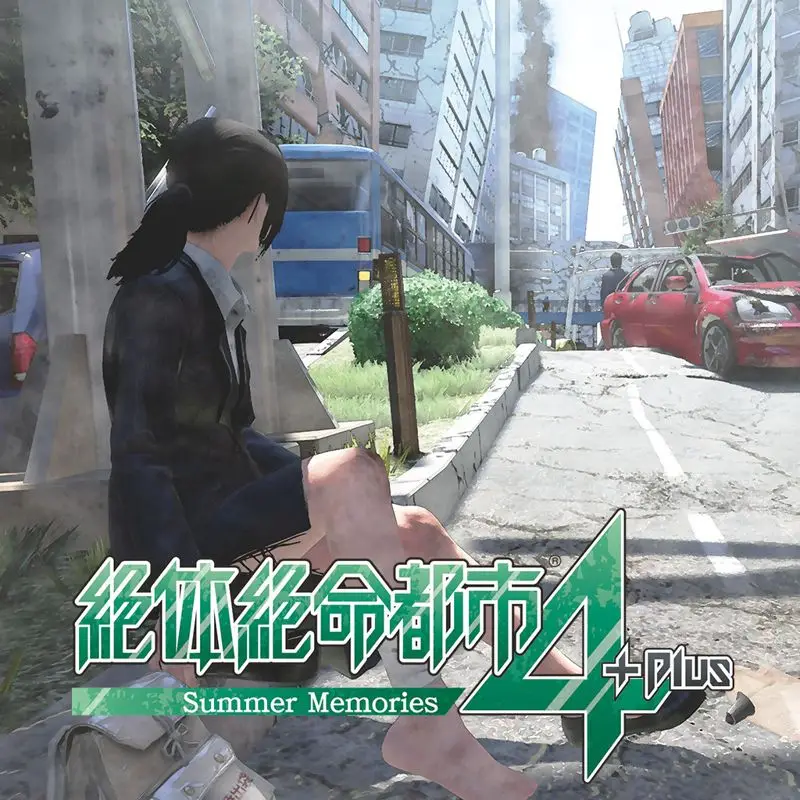
Disaster Report 4: Summer Memories is easy to respect because it commits to a scenario games rarely tackle seriously. A devastated Japanese-inspired city, aftershocks, fires, and frightened survivors offer a much more grounded kind of suspense than another fight against an abstract evil. You are here to endure a civic nightmare, and that remains a distinctive proposition.
The tradeoff is that the game’s ambitions are broader than its consistency. It wants to be a survival drama, a choice-driven story, an action game, and a puzzle-filled disaster tour. Not every part carries the same weight, which makes the experience feel more like a fascinating oddity than a fully satisfying genre standout.
Give it a chance if the idea of navigating a catastrophe and weighing the fate of other survivors sounds more exciting than smooth, familiar action. The payoff is its perspective: few games put you in a disaster zone and ask you to consider who gets left behind. Just go in for that unusual human tension, not for a flawlessly refined survival game.
Reviews
There are no reviews yet.