 Retro Replay Retro Gaming History, Reviews & Emulation

Retro Replay Review
Gameplay
Siren turns survival horror into a game of observation. Hanuda is full of shibito, transformed villagers driven to spread their condition, while the people under your control have very low maximum health. Trying to overpower danger is rarely the answer. The important work is learning where enemies are, watching how they move, and waiting for a safe opening instead of gambling on a dash through hostile territory.
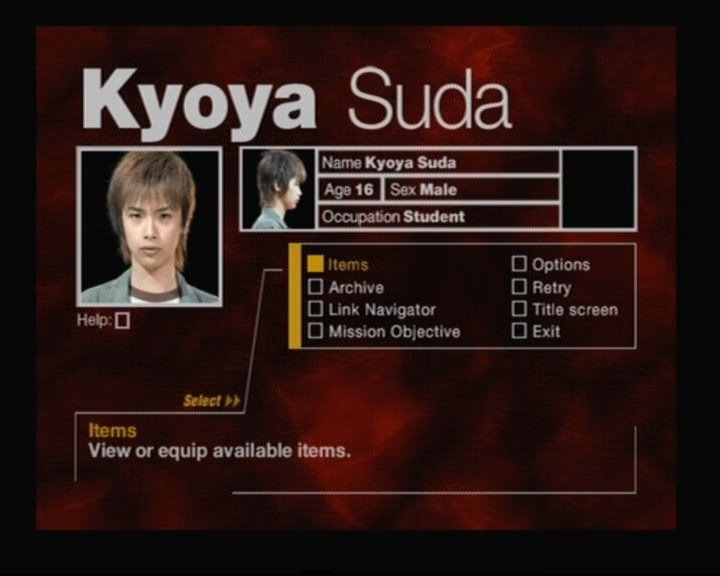
The game shifts between ten different characters, making its danger feel wider than one person’s escape story. Each character faces a new piece of the same disaster, and each situation asks for a fresh read on the surroundings. That rotating structure keeps Siren from settling into one routine, although it also means you need to stay alert whenever the perspective changes and a new scenario begins.
Sight-jacking is the game’s most memorable idea. Seeing through the viewpoint of nearby shibito or other characters lets you gather information that would otherwise be hidden, including where an enemy is facing and what part of the area it is watching. It makes the shibito feel less like simple obstacles and more like moving surveillance points that you can briefly turn to your advantage.
The downside is that Siren expects patience. Low health makes observation especially valuable: understanding a shibito’s movements can give a vulnerable character a safer way through a dangerous area. When a route finally works, the payoff is excellent because it feels earned. When the answer is still unclear, the same careful structure can feel slow and unforgiving.
Graphics
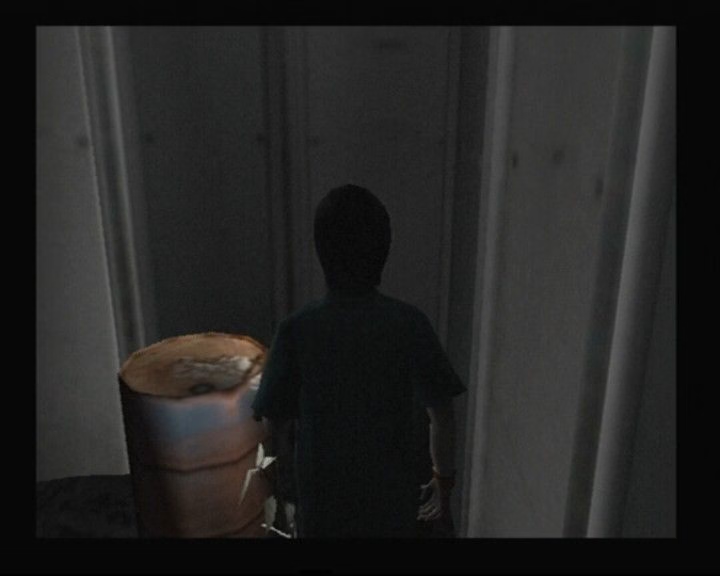
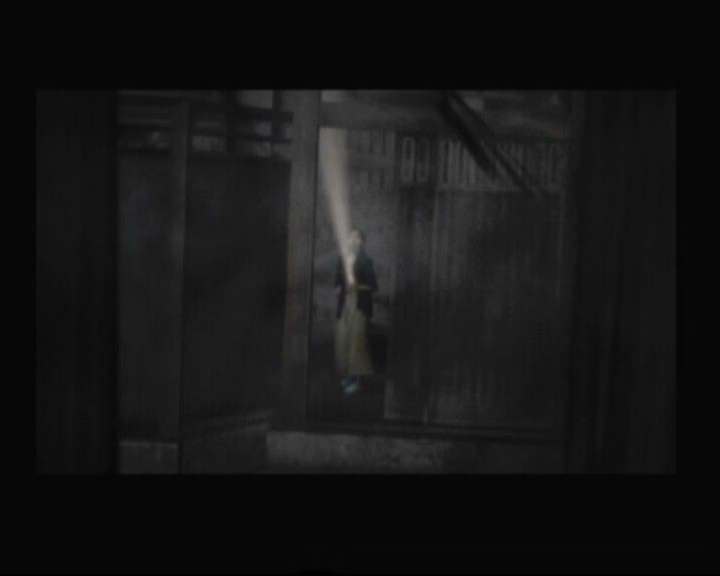
Hanuda’s horror comes from ordinary village spaces made threatening by the people occupying them. Dark outdoor areas, practical objects such as barrels and trucks, and characters carrying flashlights give the setting a grounded, uneasy look. The village does not need elaborate scenery to feel hostile when every corner may contain a shibito.
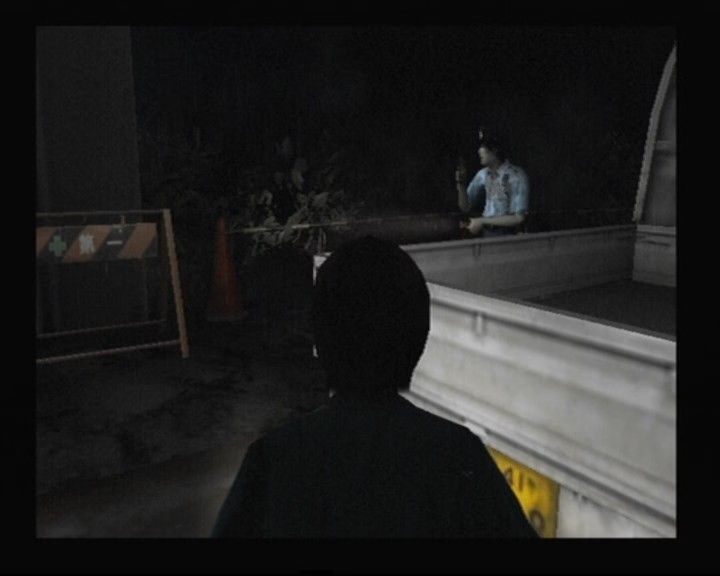
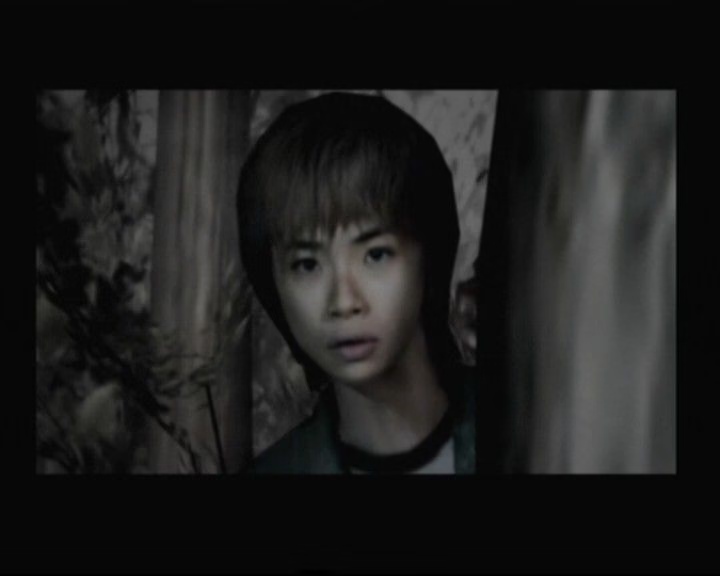
The shibito are the strongest visual hook because they turn familiar residents into an unnatural presence in their own town. Hiding behind a truck from a zombie police officer ties the danger to a recognizable person and an ordinary object, making the village feel disturbingly close to everyday life. The characters’ alarmed expressions help sell the sense that this is a catastrophe already swallowing the community.
Story
Siren begins with a bleak premise. A siren sounds in the small Japanese village of Hanuda, and its inhabitants become shibito, creatures intent on turning others into shibito as well. Almost all of the town’s people have been killed, so the game drops its characters into a disaster that has already taken hold.
Rather than following one central lead, the story moves among ten characters attempting to avoid the transformed villagers. That approach gives Hanuda the feeling of a community in collapse instead of a backdrop built around one hero. It also makes the narrative more fragmented, since each change in character shifts the immediate perspective on the same crisis.
The strongest part of the setup is the corruption of a familiar place. Hanuda is not presented as a distant haunted realm but as a small village whose residents have become the threat. That makes the shibito concept effective: the danger is not merely invading the town, it has become the town.
Overall Experience
Siren is for horror fans who enjoy being made to think under pressure. Its best moments come from taking an intimidating situation apart, recognizing an enemy’s routine, and finding the narrow window that lets a vulnerable character get through. The game creates tension through restraint rather than through constant action, and that gives its escapes real weight.
It will test patience. Low health leaves little room for careless mistakes, while learning enemy patterns can slow the pace when the next safe opening is unclear. That difficulty is central to the experience, not a minor inconvenience, so anyone looking for a more direct action-horror game may find Hanuda exhausting rather than frightening.
For the right audience, though, Siren’s structure is its strength. The rotating cast makes the village-wide outbreak feel broad and desperate, and the need to study danger gives the horror a distinctive rhythm. If that approach clicks, the result is one of survival horror’s more unusual and rewarding challenges. Readers who want to continue with the series can look at Forbidden Siren 2.



Reviews
There are no reviews yet.