 Retro Replay Retro Gaming History, Reviews & Emulation

Retro Replay Review
Gameplay
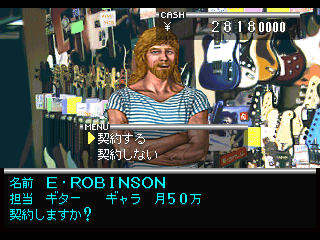
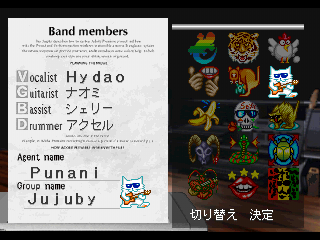
The first hour of Sold Out puts you in the uncomfortable but compelling position of a manager with almost nobody to manage. You choose one of five vocalists, cruise around eight city locations, and try to persuade musicians and composers to sign contracts by answering their questions correctly. A bad answer can shut a door until that person appears again, so the game makes early mistakes sting. That tension is a large part of the hook: every encounter matters because a missed songwriter or instrumentalist can derail the band you had in mind.
Once the basic group is in place, the deeper management game starts to click. Songs have preferred lineups, and using less suitable members changes how they sound, which in turn hurts attendance and earnings. The band chart is therefore more than a progress report. Listening back to performances and comparing gig attendance gives you the evidence needed to identify who is dragging down a particular song. It is a smart loop because failure can be diagnosed rather than simply endured—provided you are willing to pay attention.
The weekly routine has a stern, old-school rhythm. Group talks and rehearsals influence the next gig and CD sales, promotion remains essential, and neglected contracted musicians may resign. You can replace everyone except your initial vocalist, while additional vocalists open access to other songs without necessarily being able to sing everything you own. That web of limitations can feel restrictive when you just want to book a show, but it gives the decisions weight. Treat your roster as a set of specialists, not a fixed dream band, and the game becomes far less punishing.
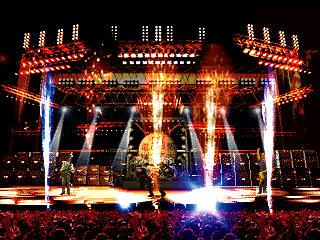
Concerts add a modest hands-on layer to all the planning. You can move the non-drummer members during a performance and operate the spotlights; the final two venues also allow fireworks. These actions do not turn Sold Out into a reflex-heavy rhythm game, but they help gigs feel like events you are staging rather than numbers you are merely simulating. The long-term target—releasing through Bonny Record and reaching 65,000 attendees at Tokyo City Dome—gives the entire campaign a clear, demanding finish line.
Graphics
The concert portions give you a band onstage to arrange, with spotlights under your control and fireworks joining the show at the last two venues. Those simple stage tools suit a game focused on the business and logistics behind a performance: you are watching the result of your management choices play out in front of an audience.

Story
Sold Out does not lean on a scripted tale; its story is the career you manage into existence. Your first vocalist defines the starting point, then every successful contract, disastrous personnel fit, and improved concert tells you whether this band is becoming a real contender or burning through its funds.
The game is especially good at creating little setbacks that feel like music-business drama even without elaborate plot scenes. A musician you leave on the bench can resign. A band that takes too long loses motivation and breaks up. Even choosing to disband does not end the larger game if money remains, leaving you able to start again with a new group. That makes collapse feel less like a hard reset and more like an expensive lesson.
The final Dome requirement gives this loose career narrative a proper climax. You cannot simply arrive with money and brute-force your way through it; you need the best lineup for the song you take there. Reaching the attendance target after working out songs, vocalists, contracts, promotion, and member compatibility is the kind of ending that feels earned because the game has spent so long making competence matter.
Overall Experience
Sold Out is a niche simulation with a surprisingly sharp understanding of why band management is interesting: songs, singers, and players are not interchangeable pieces. The satisfying moments come when you stop guessing, hear that a particular arrangement is not working, make a targeted change, and see attendance improve. It asks for patience, note-taking, and a willingness to recover from bad choices.
Frustration is built into the design. Contract questions can lock you out of a useful person for a while, songs may sit unused because your vocalist cannot perform them, and the threat of resignation or automatic breakup discourages leisurely experimentation. The game can be harsh when you are still learning its logic. Yet the harshness has a purpose: it makes a successful lineup and a strong gig feel like the product of real management rather than luck.
Give it a chance if you enjoy slow, systems-driven career modes and can accept that the route to a packed stadium is messy. It is less about pretending to be a rock star than about being the person who finds talent, buys the right material, protects morale, and figures out why the last show flopped. For that specific fantasy, Sold Out has a focused and rewarding climb.


Reviews
There are no reviews yet.