Retro Replay Retro Gaming History, Reviews & Emulation

The briefing is over. You have your route, your wingman, and a fairly optimistic estimate of how straightforward this patrol ought to be. Then the launch sequence drops you into space, the music changes, and a Kilrathi fighter starts making a very persuasive case for going home.
Wing Commander made the return trip feel alive. You came back to a carrier with familiar faces, someone keeping track of your performance, and a war that could get worse while you were busy surviving it. The shooting was exciting. The people waiting afterward made it personal.
In 1990, Origin Systems managed that with painted faces, scaled spacecraft images, text conversations, and a PC that had rather less memory than a single modern photograph. Four years later, Mark Hamill was playing the pilot. The distance between those two versions of the same idea runs through some of the most ambitious, extravagant, and occasionally exhausting games the PC ever produced.
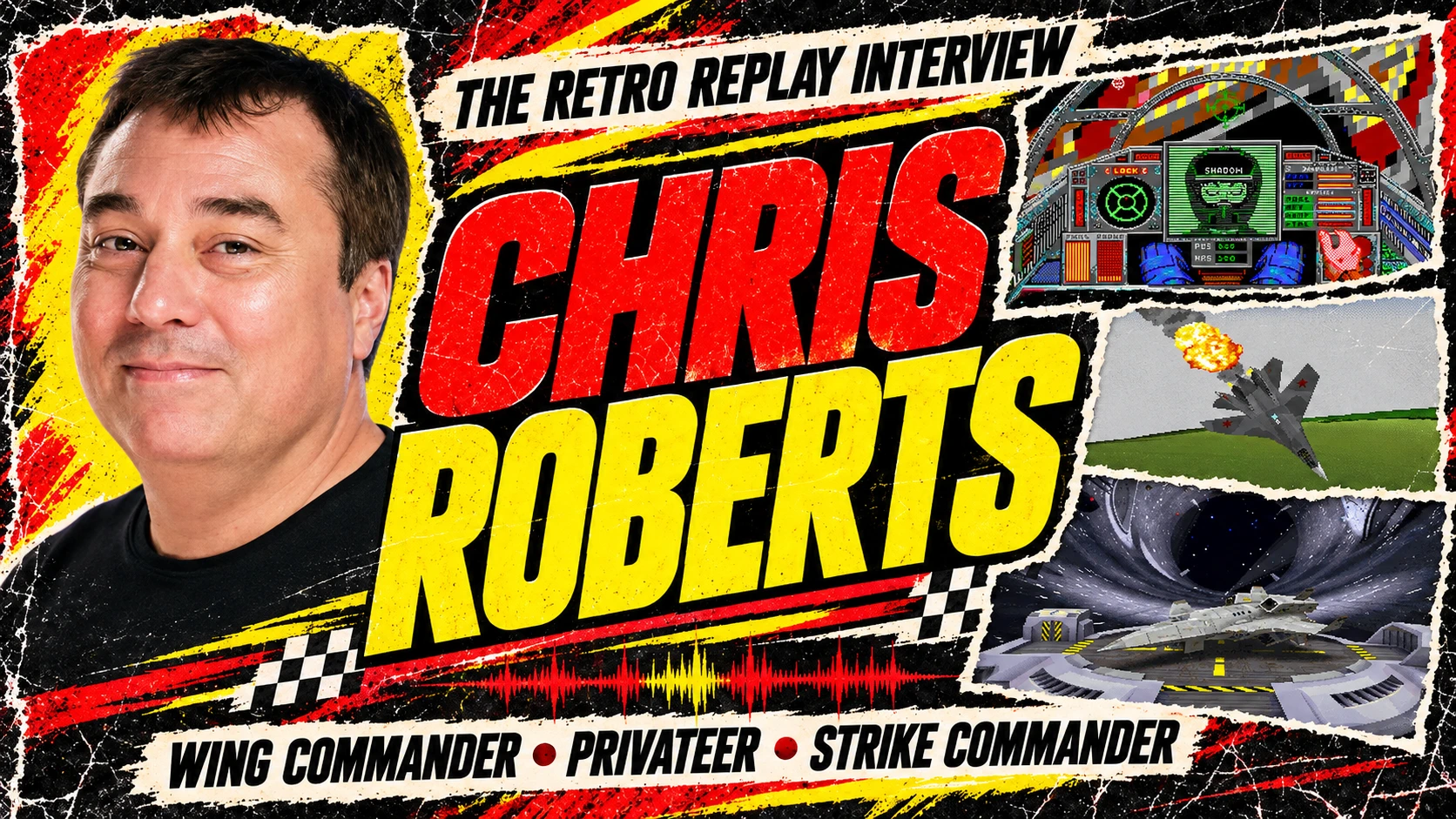
Our interview with Chris Roberts supplies a few firsthand memories along the way. The larger story belongs to the artists, programmers, writers, composers, performers, and players who helped turn a space-combat game into a place people wanted to return to.
Explore the history of Wing Commander (click to expand)
- Before Wing Commander: Chris Roberts finds his way to Origin
- Wing Commander (1990): the carrier becomes home
- A cockpit full of tricks: graphics, speed, and memory
- A campaign that could survive a bad mission
- The music follows the fight
- The Secret Missions (1990–1991): the war gets more expensive
- Wing Commander II (1991): somebody has to write the next scene
- Privateer (1993): nobody is paying for your repairs
- Other machines, other versions (1992–1995)
- Wing Commander III (1994): Mark Hamill reports for duty
- Wing Commander IV (1996): the enemy is closer to home
- Privateer 2 (1996) and Prophecy (1997): two ways onward
- Secret Ops (1998): the next assignment arrives over the modem
- Wing Commander at the movies (1999)
- The fans keep the flight deck open
- The tapes come back: anniversary restorations (2026)
- Back aboard
Before Wing Commander: Chris Roberts finds his way to Origin
Chris Roberts started with pictures. In our interview, he describes being interested in art and animation, teaching himself programming at eleven, and experimenting with his father’s Apple II. Getting paid for a game at thirteen made the hobby a little more serious. By the time he reached Origin, he had experience making limited home computers do things their owners had not expected.

Origin was Richard Garriott’s company, already associated with the elaborate worlds of Ultima. Roberts’s first Origin release, Times of Lore (1988), put a different kind of adventure on the screen. Its compact icon interface let players select actions without remembering a long vocabulary of typed commands. The small figure moving through its world was a long way from a starfighter, but the interest in getting the machinery out of the player’s way was already there. Origin-era retrospective.

While working on Bad Blood in 1989, Roberts began exploring space combat. The production account preserved in Wing Commander I and II: The Ultimate Strategy Guide describes an initially unofficial experiment. Origin executive Dallas Snell allowed him to investigate, then allocated some art time as the prototype became more convincing. Artist Denis Loubet supplied a cockpit, spacecraft, and explosions. Paul Isaac joined the programming work.
That combination gave the demonstration something a bare engine cannot provide: a point of view. Looking through a cockpit, with an enemy ship outside and an explosion when you hit it, you could begin to imagine the finished experience. A technically rough prototype can still make its audience lean forward.
The project passed through names including Squadron and Wingleader. Origin’s June 1990 announcement still called it Wingleader and promoted its VGA graphics and cinematic presentation. Roberts remembers crowds forming around the CES demonstration. Before release, the name became Wing Commander.
Wing Commander (1990): the carrier becomes home
The first game put you aboard the TCS Tiger’s Claw, a Confederation carrier fighting the feline Kilrathi. You supplied a pilot name and call sign. Christopher Blair, the name that later became inseparable from the series, was not yet stamped across the experience. For now, that career belonged to the name you typed.
Before flying, you could visit the bar, hear from fellow pilots, and try the training simulator. Briefings sent you toward patrols, escorts, and strikes. Returning brought a debriefing and, sometimes, a ceremony. Menus wore the clothes of a military posting. Even saving belonged to the barracks rather than a completely separate world outside the fiction. The original reference card explains how those rooms and cockpit controls worked.

The crew gave those rooms their character. Angel was disciplined, Maniac was reckless, and Paladin had the comfortable authority of someone who had survived enough sorties to distrust enthusiasm. Spirit, Iceman, Hunter, Bossman, and Knight supplied more company than a screen full of anonymous aircraft labels ever could. Their portraits and short conversations did a remarkable amount of work.
Writer and designer Jeff George, artists including Glen Johnson and Loubet, Roberts, and the wider Origin team built that impression together. The characters were broad, sometimes leaning heavily on national shorthand, but they had recognizable attitudes. When the next briefing paired you with a particular pilot, you brought an opinion into the cockpit.
In flight, your wingman had an actual job. You could issue orders, ask for assistance, and try to keep formation from dissolving into a private duel with the first enemy you saw. The pleasure of winning a dogfight sat beside the responsibility of an escort. Chasing one fighter across the map was less impressive if the transport you were supposed to protect exploded behind you.
The Claw Marks booklet expanded the crew beyond the monitor. It presented itself as shipboard reading, mixing tactical advice, spacecraft information, and personnel material. You could study the war while the computer was switched off. Origin was very good at making the contents of a game box feel like things somebody in that world might own.
A cockpit full of tricks: graphics, speed, and memory
The ship approaching your cockpit looked solid, but Wing Commander was not drawing it as a fully textured polygon model every frame. It selected and scaled images showing the craft from different angles. Turn relative to the enemy and the displayed view changed. Move closer and the image grew. The ships had enough shading and surface detail to make the illusion wonderfully convincing in motion. Origin programmer Frank Savage discusses the early graphics approaches.
It was a practical bargain. Pre-rendered images could look rich without asking the CPU to calculate and shade every visible face of every spacecraft. They also needed storage and memory, and the available angles could reveal themselves as a ship turned. The cockpit helped sell the scene: instruments, targeting information, and the edge of the canopy gave you a stable place from which to judge everything moving outside.
Roberts had chosen VGA as the basis for the look he wanted, although the released game also supported less colorful display modes. A screenshot can hide how much of the attraction came from movement: a fighter swelling in the window, the screen shuddering under fire, the sudden hurry to find an enemy that has slipped out of view.

The PC still had to fit the show into a small working space. Conventional memory, expanded memory, drivers, and hardware configuration were subjects players could find themselves learning before the first patrol. A more capable machine could buy presentation details as well as speed. Asked for a specific example in our interview, Roberts recalled:
“Seeing your hand moving on the joystick was only if you had extra memory.”
Chris Roberts, in our Wing Commander interview.
It is a small detail with a very precise purpose. Your real hand moved the control, and a drawn hand could move with it inside the cockpit. On the right configuration, the game spent some of its precious resources showing that connection. On a tighter one, the war continued without the extra animation.
Nor did buying a faster PC permanently settle the matter. The original game’s speed behavior became troublesome as hardware advanced. An experience designed around the performance of its era could turn unpleasantly hurried on a later machine. That problem eventually became part of the work done by community fixes and modern rereleases.
A campaign that could survive a bad mission
Getting a damaged fighter home could feel like a victory even when the briefing-room verdict disagreed. Wing Commander allowed that uncomfortable difference. Surviving and succeeding were related, but they were not identical.
A lost objective did not always send you straight to a reload screen. Your results helped determine the campaign’s route. The war could move toward a more favorable position or start slipping away. Rather than requiring one flawless sequence, the original game supported winning and losing paths. The player still had a chance to keep flying, and the campaign had somewhere to put the consequences.
“I wanted the gameplay to have a cause and effect on story which applied to both succeeding and failing in your missions.”
Chris Roberts, in our interview.
It was not a freely simulated galactic war. Origin authored the available missions and the connections between them. Nor was every failure survivable. You could die, lose the campaign, or reach a point where the sensible response was to begin again. But between the clean victory and the funeral was a useful stretch of messy service.
The people in the other cockpits made that stretch more affecting. A wingman could be lost, and returning without someone carried a different emotional weight from returning with a lower score. Co-producer Warren Spector and the design team were helping support a structure in which the player’s record belonged inside the story. The game’s fictional personnel and tactical material gave those sorties a setting beyond the mission list.
There was a temptation to reload a merely disappointing result, of course. The game could allow you to lose and you could still decide the universe needed another draft. Even then, it was striking that the developers had built somewhere for that bad patrol to lead. The commander’s unhappiness did not automatically mean the software had run out of story.
The music follows the fight
The next ingredient arrived through the speakers. Space could be quiet for a while, then an encounter would bring a change in the score. A kill, danger, or a damaged fighter called for a different response. A fixed tune looping cheerfully through everything would have made a rather unhelpful wingman.
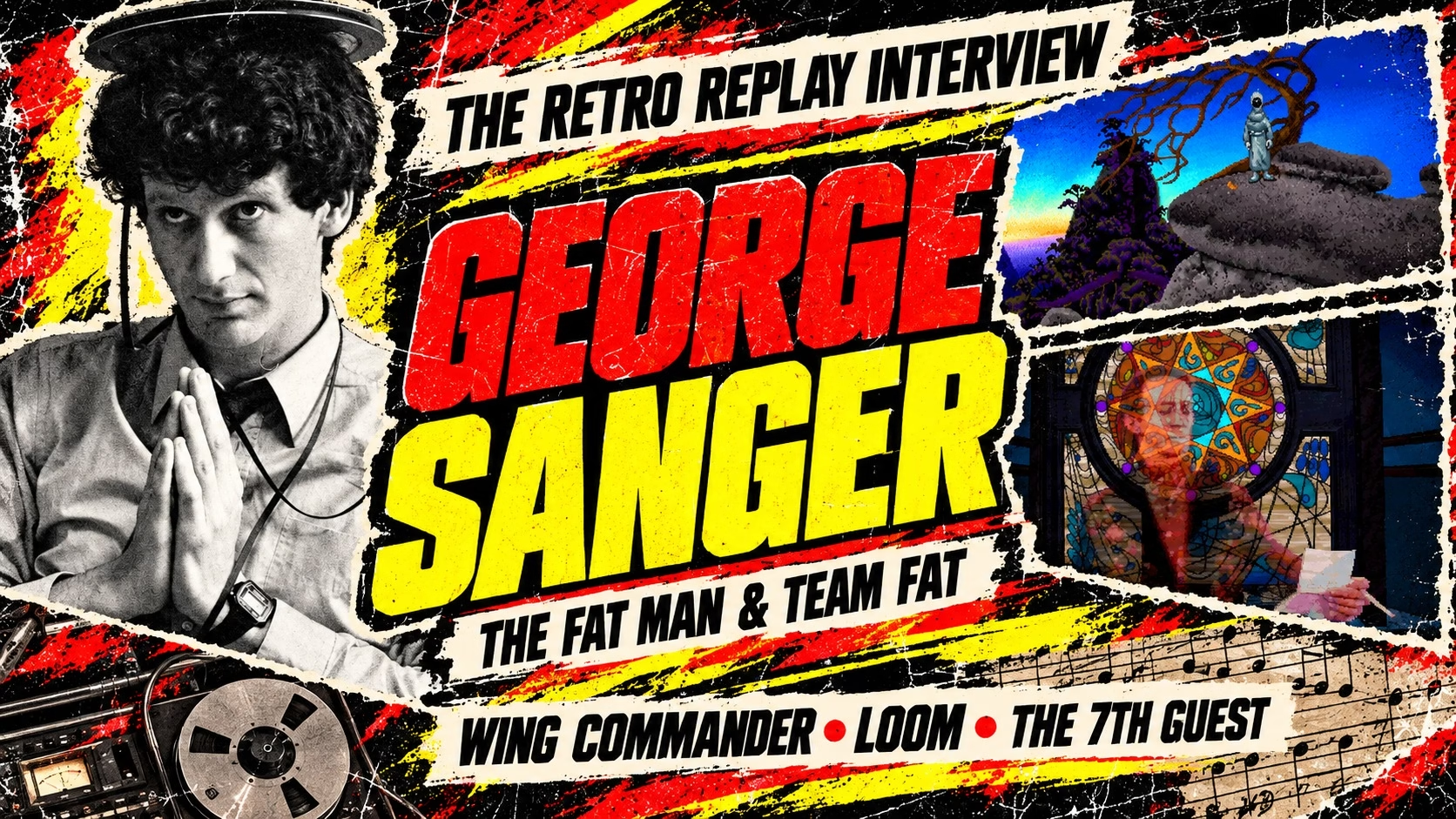
George Sanger and Dave Govett helped provide the original game’s musical identity. Sanger is particularly generous about Govett’s contribution in our interview with The Fat Man, crediting him with the theme and dogfight music. Behind the grand military sound were short sections that needed to connect as the combat situation changed.
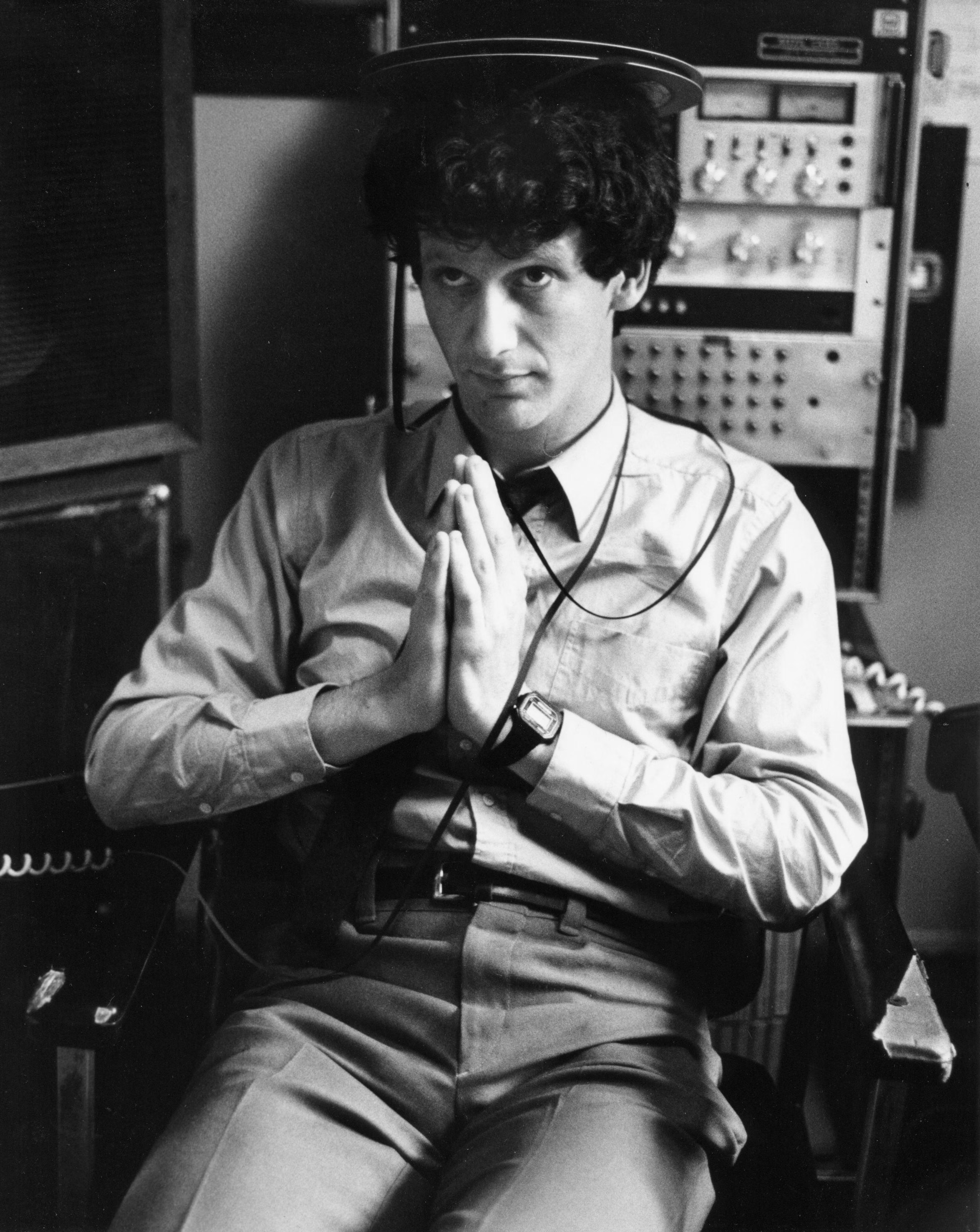
The ambition was orchestral, but the output depended on the player’s equipment. The hardware named in Origin’s announcement included Ad Lib and Roland devices. The same composition could have a very different presence across PC sound setups. A computer’s ability to make a convincing racket was becoming part of the sales pitch.
In play, the important effect was immediate. The score noticed trouble before the player had finished sorting out which hostile contact deserved attention. Once you knew its changes, you listened for information as well as atmosphere. The soundtrack helped the battle feel directed without asking you to stop participating in it.
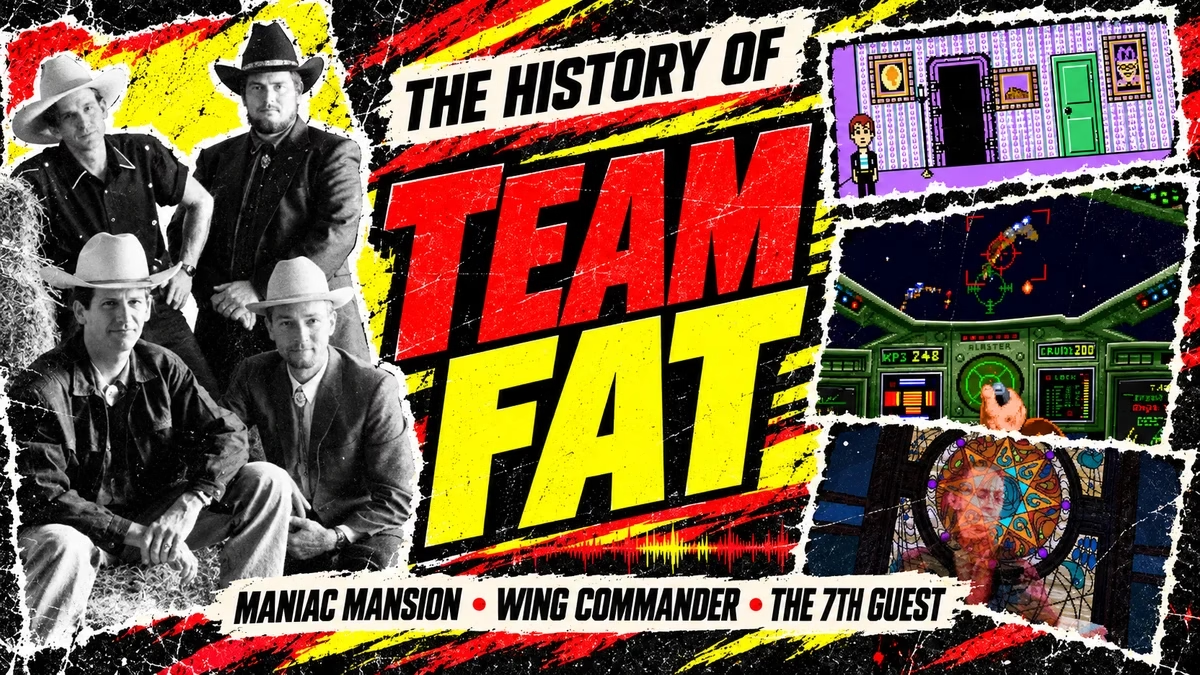
Our Team Fat history follows more of the work around Sanger and his collaborators. Here, the music belongs beside the branching campaign: one responds to what happens in the cockpit from moment to moment, while the other carries results into the next mission.
The Secret Missions (1990–1991): the war gets more expensive
The original became a breakout hit for Origin. Roberts says its popularity surprised him; he had not realized he was launching a franchise. For the studio, the immediate question was what to give the players who had finished the campaign and wanted another assignment. There was material and a working game, but still a decision to make about a smaller follow-up.
The production history describes additional ship art that could not fit within the original disk budget. That work helped make an extra mission disk practical.
The Secret Missions appeared in 1990. Its first campaign sent the Tiger’s Claw after a Kilrathi secret weapon, following the devastation at Goddard. You knew the controls and the carrier. The new missions could therefore begin by expecting rather more from you.
It was a harder, more directed campaign, not another version of the original’s broad mission tree. Escorts and repeated encounters could stretch the player’s patience along with the fighter’s defenses. Knowing how to shoot a Kilrathi fighter was no longer quite enough; you needed to bring the right things home afterward.
The contemporary production account describes Origin cautiously authorizing an initial retail run of 5,000 copies. Demand encouraged a second campaign. In our interview, Roberts remembers surplus content helping drive the expansion, then the appetite for a sequel. These recollections fit a studio discovering how much more time players wanted to spend in the setting.
The Secret Missions was not the first expansion in computer games. Products such as Upper Reaches of Apshai had extended earlier games. Wing Commander’s mission disks were nevertheless an effective use of the format: return to an established world, learn a new threat, and get considerably more use out of the flight suit.
The Secret Missions 2: Crusade followed in 1991, bringing Firekka, the Kilrathi defector Hobbes, and events that would carry into Wing Commander II. The first mission disk’s reference material and Crusade’s documentation show how closely the additions attached themselves to the existing game. A galaxy could grow one floppy at a time.
Wing Commander II (1991): somebody has to write the next scene
Wing Commander II: Vengeance of the Kilrathi began by taking away the place players had learned to call home. The Tiger’s Claw was destroyed, your account of stealth fighters was doubted, and the pilot who had helped win the previous campaign found himself disgraced. The sequel had found a fairly efficient way to stop the hero looking comfortable.

The sequel’s play guide sets out the accusation and the return to combat. Suspicion, loyalty, and betrayal now occupied more of the time between missions. Angel became more important to the pilot’s personal life, while Hobbes complicated a war that had initially made its feline opponents very easy to shoot without further thought.
Roberts remained a central creative influence, but the sequel was not a one-person production. Director Siobhan Beeman, credited at the time as Stephen Beeman, and writer and assistant director Ellen Guon, later Ellen Beeman, helped turn the crew drama into a larger production. Ellen arrived with experience in television animation and writing, which proved surprisingly well suited to a game shipped on floppy disks.

In DigiPen’s interview, she describes applying animation-reuse techniques from television. Reusing a useful performance or movement meant more scenes without creating and storing every frame from scratch. A larger narrative had to fit the art budget and the disk count as well as the script.
She also remembers a career change happening in the middle of the work. Hired as a writer around the first game’s completion, she was soon handed production responsibility. The sequel’s romance, accusations, and carefully staged scenes were being organized by people learning how to make this kind of production while already making it.
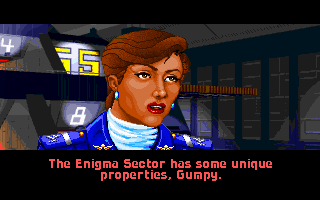
Speech was another attraction, with the Speech Accessory Pack expanding the experience for suitably equipped players. It should not be confused with a modern expectation that every line in the base game is spoken. The installation documentation belongs to an era when adding a voice could also mean adding hardware and rearranging the contents of your boot configuration.
Combat supplied its own changes. The Broadsword’s torpedo work demanded a different kind of commitment from a quick fighter pass: acquire the target, hold the approach, and hope the enemies understood that you were busy. Turrets and heavier craft broadened the jobs available. The story was more controlled, but the cockpit was not merely waiting for the next conversation to begin.
Special Operations 1 and 2 continued that campaign. By now the original game’s follow-up pattern was established: a substantial release, extra missions, more people to care about, and another reason not to delete the installation.
Privateer (1993): nobody is paying for your repairs
Wing Commander: Privateer changed the question from “What are my orders?” to “Can I afford this?” The carrier, superior officers, and military assignments gave way to a small ship, available work, and a personal interest in not spending every credit at the repair shop.
The 1993 DOS game used the Wing Commander universe for trading, exploration, mercenary work, and a more open choice of activity. Its Gemini Sector had places to visit and factions whose attitudes were worth remembering. A cargo hold could be as important as a missile rack.

The Privateer play guide treats work, commodities, equipment, and travel as parts of the same career. An upgrade was not just a new toy between story missions. Better guns or a more suitable ship could change which jobs seemed sensible, while damage threatened the profit you had gone out to earn.
You could follow the story, but the intervals belonged more clearly to you. A military Wing Commander pilot generally returned to a system prepared to put him back into action. A privateer could return to a bill. That made modest successes satisfying in a different way: complete the delivery, keep the ship intact, buy the thing you have been pricing for the last several flights.

Roberts describes the appeal of choosing your own activities in our interview, but Privateer’s development deserves its own credits. Its team included lead designer Joel Manners, producer R. Scott Russo, associate producer Erin Roberts, and lead programmer Ed Maurer. The original credits identify a related branch of Origin’s space work, not simply Chris Roberts’s carrier campaign with a shopping screen attached. Righteous Fire extended that branch in 1994.
Origin also found ways to offer combat without the same narrative commitment. Wing Commander Academy (1993) let players arrange custom encounters and test themselves in a gauntlet. Armada (1994) joined space battles to a strategic struggle and multiplayer. The Academy manual is a useful reminder that some players wanted more control over the next fight than the main campaign could offer.
Other machines, other versions (1992–1995)
As the PC series expanded, the original idea traveled. A player meeting Wing Commander on an Amiga, SNES, or Sega CD was not necessarily seeing and hearing the same presentation as the owner of a well-equipped DOS machine. Screen layout, speed, color, controls, and sound could all change the balance.

The SNES version is an especially interesting translation of the cockpit to a controller. The carrier and war were recognizable, but a console adaptation had to make a densely controlled PC game workable from a different place on the sofa. That was a genuine design problem, not merely a matter of fitting the disk contents onto a cartridge.
The Sega CD version used its disc format to add spoken presentation. Super Wing Commander (1994 on 3DO, later Macintosh) went farther, rebuilding the original campaign’s appearance and adding speech and further mission material. It could be familiar and unfamiliar in the same moment: the Tiger’s Claw was still the Tiger’s Claw, but somebody had redecorated considerably. Super Wing Commander play guide.

These versions are worth distinguishing from a straight rerelease. Super Wing Commander is not the original DOS art displayed at a higher resolution, and the SNES screenshot here is not a representative image of the PC game. For a series remembered partly as a showcase for the latest PC hardware, its alternative versions reveal how much of the experience depended on the presentation you happened to own.
Wing Commander III (1994): Mark Hamill reports for duty
By Wing Commander III: Heart of the Tiger, the pilot had a settled name and a face familiar to anybody who had watched Star Wars. Mark Hamill played Christopher Blair. John Rhys-Davies became Paladin, Malcolm McDowell played Tolwyn, and Tom Wilson gave Maniac an exceptionally durable supply of confidence.
This was a change in production as well as casting. Actors performed the shipboard scenes, video supplied their appearances, and the player’s choices selected responses and later events. The credits brought screen performers and film-production specialists into a game already requiring a substantial simulation, art, and audio team.
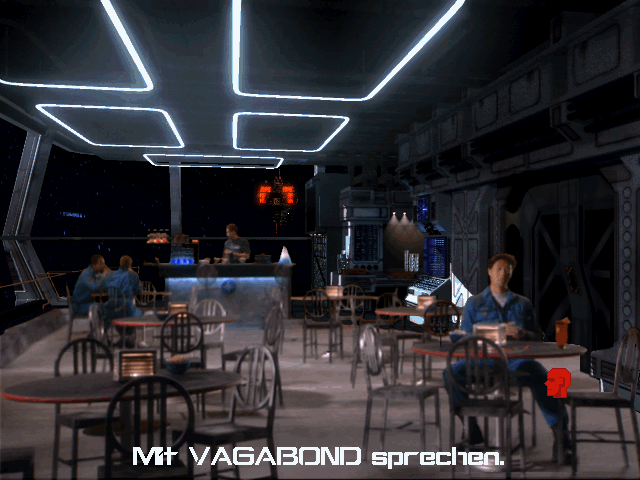
The 1994 game put Blair aboard the Victory, a carrier that looked tired enough to have earned its name several times over. That setting suited a war approaching a desperate point. The characters could now hesitate, glance away, or sharpen a line with a performance the earlier portraits could only suggest.
Jason Bernard’s Captain Eisen gave the ship authority; François Chau’s Vagabond supplied another memorable presence in its social life. The draw was not simply spotting someone from a favorite film. Familiar faces made the production easy to advertise, but the less spectacular business of having a crew around Blair still did much of the emotional work.
The archival making-of and interview footage shows the era’s slightly strange combination of established screen performers and new production methods. Actors were helping populate an interactive environment, with choices and outcomes that needed more than the single progression of a conventional film. Green-screen work and digital settings supplied a large part of the world around them.
In our interview, Roberts describes the move this way:
“WC III used the newest tech at the time to create a more sophisticated story. I was able to push the storytelling even further.”
Chris Roberts, in our interview about Wing Commander’s filmed era.
The flying changed too. Software-rendered, texture-mapped polygon ships replaced the earlier games’ scaled ship images. You could inspect the Victory in a form that held together differently as the viewpoint moved around it. Four CD-ROMs provided room for a production far beyond the original floppy-disk campaign. Game director Frank Savage discusses that technical transition in his retrospective interview. The Warbirds booklet still gave players spacecraft to study when they were not watching the actors.

Choosing equipment and a wingman before departure kept the flight deck connected to the conversations. The branching drama could affect relationships and the way the campaign unfolded, but reaching the ending still meant handling the missions. A strong cast was not going to shoot the fighters off your tail.
Composer George Oldziey gave the later games another part of their identity. He joined Origin to score Wing Commander III and continued with IV and Prophecy. His account of the work describes scoring for the story and action within the available technology. The ambition remained orchestral, even when the equipment delivering it was not a concert hall full of musicians.
The arrangement had a visible seam. You watched recorded footage, made a choice, then crossed into the flying game. CD loading and video compression could make the join more conspicuous. Yet the return to the carrier could still be irresistible. The next conversation might be a reward, an argument, or news you would rather not hear.
Wing Commander IV (1996): the enemy is closer to home
After the Kilrathi war, Wing Commander IV: The Price of Freedom asked what the Confederation would do with its victory. Blair’s next conflict led into the Border Worlds, political suspicion, and orders that became harder to accept simply because a superior officer issued them.
McDowell’s Tolwyn was particularly useful to that story. His certainty made the question of authority more disturbing than another snarling alien threat would have been. Hamill returned as Blair, Wilson as Maniac, and the cast helped carry a campaign in which choosing a side could matter as much as choosing a target.

Production expanded again. The filmed scenes used physical sets, with a presentation closer to a conventional movie shoot than Wing Commander III’s digital environments. The difference is visible in the rooms around the actors: places feel occupied rather than merely illustrated behind a performance. Origin was spending heavily to put that world on the discs.
The price was also paid in the schedule. Anthony Sommers’s internal QA and customer-support postmortem, dated May 1996, praises the result while repeatedly describing development as rushed. It records late design changes and documentation finalized before the game itself. Lead programmer Frank Roan and associate producer David Downing also called for more time.
That document is a useful companion to the glamorous side of the production. A real set does not make a flight-model bug easier to fix, and a finished manual is not particularly comforting if it describes a feature that changed afterward. The film and game had to arrive as one usable product.

The missions offered more than a simple procession of dogfights, and the decisions between them could put uncomfortable pressure on the player. Wing Commander IV is strongest when the familiarity of military routine stops feeling reassuring. You already know how to attend a briefing and launch. Now you have to decide whether the people briefing you deserve your obedience.
It was the last numbered Wing Commander directed by Chris Roberts. His departure left Origin with a successful universe, valuable technology, and a fairly daunting question about what kind of production should come next.
Privateer 2 (1996) and Prophecy (1997): two ways onward
Privateer 2: The Darkening took the trading-and-combat idea into a much stranger corner of filmed science fiction. Clive Owen played an amnesiac protagonist, while the cast included John Hurt, Christopher Walken, and other recognizable performers. Its places and people had a different atmosphere from the Confederation carriers. Even the title’s “2” could make the relationship to the first Privateer sound more straightforward than it felt.

Erin Roberts led the project in the UK. The 1996 DOS game offered an individual mystery among the jobs, travel, and equipment. It could be wonderfully odd, with the appeal of meeting another eccentric person balanced against the practical need to get back into space and make some money. Its manual introduced another set of ships and systems rather than asking you to resume command of the old Tarsus.
The main military branch returned with Wing Commander: Prophecy in 1997. Blair was present, but the player became Lance Casey, a younger pilot aboard the Midway. Moving the viewpoint gave the story room to begin again. After years of serving as the exceptional veteran, the player could be the person still learning how this particular ship worked.
The opposition changed as well. A new alien threat gave Origin another enemy to introduce without simply reopening the ending of the Kilrathi war. The larger combat engine and hardware-accelerated presentation supported busy fights and a different visual texture from the software-rendered games. The Prophecy Gold documentation describes the shipboard setting and the controls for that next stage of the series.

Prophecy retained filmed scenes, but the balance tilted back toward getting the player into action. It was less concerned with offering another enormous political movie than Wing Commander IV had been. Depending on what you loved about the previous games, that could feel like a welcome return to the flight deck or a reduction in the drama you had come for.
The difference was not proof that the old crew had stopped working. It showed how many things “more Wing Commander” could mean: another film-scale story, sharper flying, an open career, or simply another set of battles in familiar space.
Secret Ops (1998): the next assignment arrives over the modem
Wing Commander: Secret Ops offered another answer. Released in 1998, it used the Prophecy technology for a new campaign distributed through the internet. Players downloaded the starting package, then followed the release of further episodes. Origin was experimenting with how a major PC series could arrive without a fresh retail box for every installment.
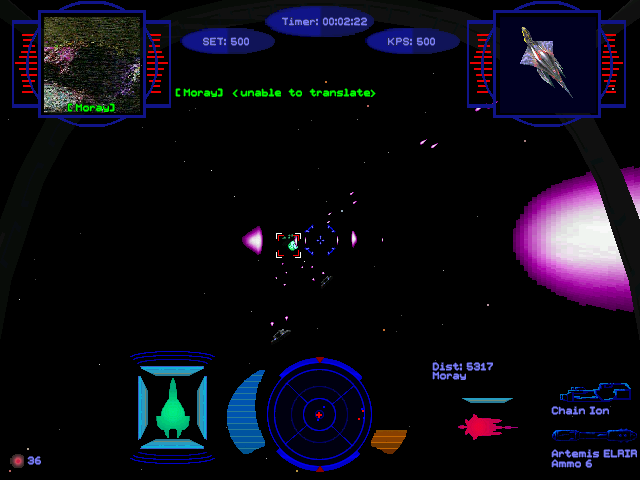
The period announcement describes the starter-kit and mission-release plan. This was exciting, but a sizeable download was not a trivial request in a dial-up household. The delivery system could be futuristic while the progress bar remained firmly committed to the present.
Secret Ops put more of its surrounding story into text and in-engine presentation, instead of mounting another production with the same scale of filmed performances. Missions brought the fighters back into combat, and the online material helped supply the situation between releases. Prophecy Gold later gathered the related material into a retail package.
There is a neat practical echo of The Secret Missions here. Origin again had a flight system and an audience willing to return. The content could continue without rebuilding everything around it. What changed was the means of getting the next assignment onto the player’s computer.
Wing Commander at the movies (1999)
Roberts eventually directed an actual Wing Commander film. Released in 1999, it starred Freddie Prinze Jr. as Blair, Saffron Burrows as Deveraux, and Matthew Lillard as Maniac. The AFI record identifies a separate screen production with its own cast and creative team, rather than a feature-length continuation of Hamill’s game performance.
That separation was difficult to overlook. Players had spent years giving these people orders, protecting them, or arguing with them between missions. A conventional film could borrow the names and spacecraft, but it could not borrow the viewer’s record of having brought a wingman home.
The reception was rough. Roger Ebert’s contemporary review treated it as an unconvincing transplant of submarine-movie conventions into space. The series’ ambition to feel cinematic had produced several distinctive games. Turning the property into a movie did not automatically produce an equally distinctive film.
Roberts’s later work continued down other paths, including Digital Anvil, film production, and eventually Cloud Imperium Games. Those careers connect to Wing Commander, but they are not additional chapters of the same franchise. Squadron 42 and Star Citizen pursue related ambitions under different names.
The fans keep the flight deck open
The grand run of new PC campaigns did not continue indefinitely. Origin’s later priorities moved toward online projects, proposed continuations fell away, and the studio closed in 2004. The people and the company that had made the Tiger’s Claw no longer assembled around the same production.
There were still official appearances elsewhere. The 2003 Game Boy Advance adaptation of Prophecy squeezed space combat onto a handheld, while Wing Commander Arena arrived on Xbox Live Arcade in July 2007. Microsoft’s release announcement promoted multiplayer battles and arcade action. It was a return of the name, not the next enormous Blair campaign.

Much of the continuing activity came from people outside the original studio. The Wing Commander Combat Information Center collected documents, news, technical discoveries, and arguments with a level of persistence that any Confederation archivist ought to admire. A manual, an old trailer, or a developer document could find an audience long after its first distribution.
Fan campaigns also supplied more flying. Standoff used Secret Ops as its foundation, released across five episodes between 2004 and 2009, and returned to the period around the novels and earlier games. Its team built a branching campaign, new scenes, music, and voices. It was an unofficial continuation made by people who had taken the original invitation to care about the war rather seriously.
Wing Commander Saga: The Darkest Dawn followed in 2012 after a long development. Its team placed a new campaign alongside the events of Wing Commander III. These were fan projects, not lost Origin releases, and their creators said so. Their scale nevertheless showed how much creative work the setting could still attract.
The music found another life too. Fans helped fund Oldziey’s 2014 orchestral recording, bringing selections from his Wing Commander scores to live performers. Music first heard while trying to keep a fighter intact could finally be enjoyed without an enemy interrupting the better bits.
The tapes come back: anniversary restorations (2026)
The next significant return depended partly on something considerably less glamorous than a new spaceship: old media in storage. EA producer Jim Vessella’s account of the anniversary restorations follows the process of finding, identifying, and digitizing source materials, then working with community developers to make them usable inside the games.

For Wing Commander III, better video was not simply a matter of locating a clean copy and pressing Export. Scenes had to be identified and matched to the game’s expected files. The work also recovered more individual in-flight communication performances. Matt Wells, known as Mash, supplied enhancement-patch work, while Owen Davies, known as ODVS, advised on video restoration. Other community contributors helped across the collection.
The rereleases arrived in November 2026. The first game’s anniversary edition and Wing Commander II’s edition bring together legacy versions and community-assisted improvements. The original’s awkward speed behavior and audio presentation were among the practical issues addressed. Choosing an edition now involves more than asking whether your PC can run a 1990 executable.
The Wing Commander III and Wing Commander IV editions offer restored source video and optional upscaled presentations, alongside enhancement-patch features. They are restorations of existing games, not newly filmed remakes. Prophecy also received an anniversary edition, with GOG leading its restoration work.
If you prefer to explore the original DOS versions through emulation, our DOSBox Staging profile is a useful starting point. Match your settings to the particular game and follow its documentation. The first Wing Commander is an especially good reason not to assume maximum emulated CPU speed is automatically the best choice.
Our interview ends with a further possibility, carefully phrased. Sandi Roberts relays Chris’s intention to pursue the Wing Commander rights after speaking with Richard Garriott. That answer does not confirm a completed rights transfer or announce a remake. It does show that the creator has not stopped thinking about the name on the old flight jacket. Read the answer in context.
Back aboard
The astonishing part of the first Wing Commander is how quickly a collection of small, painted places becomes a routine. Visit the bar. Listen to the briefing. Find out who is flying with you. Go and do the job, preferably without losing the transport or the person in the next fighter.
The later games could put Mark Hamill in the chair, build physical sets around Malcolm McDowell, and fill multiple discs with performances. The original had already found a compelling reason to watch the next scene. You had been out there, something had happened, and now you wanted to know what the people back aboard the carrier were going to say about it.
More from Retro Replay
- Chris Roberts on Wing Commander, Origin, and the Dream of Cinematic Games
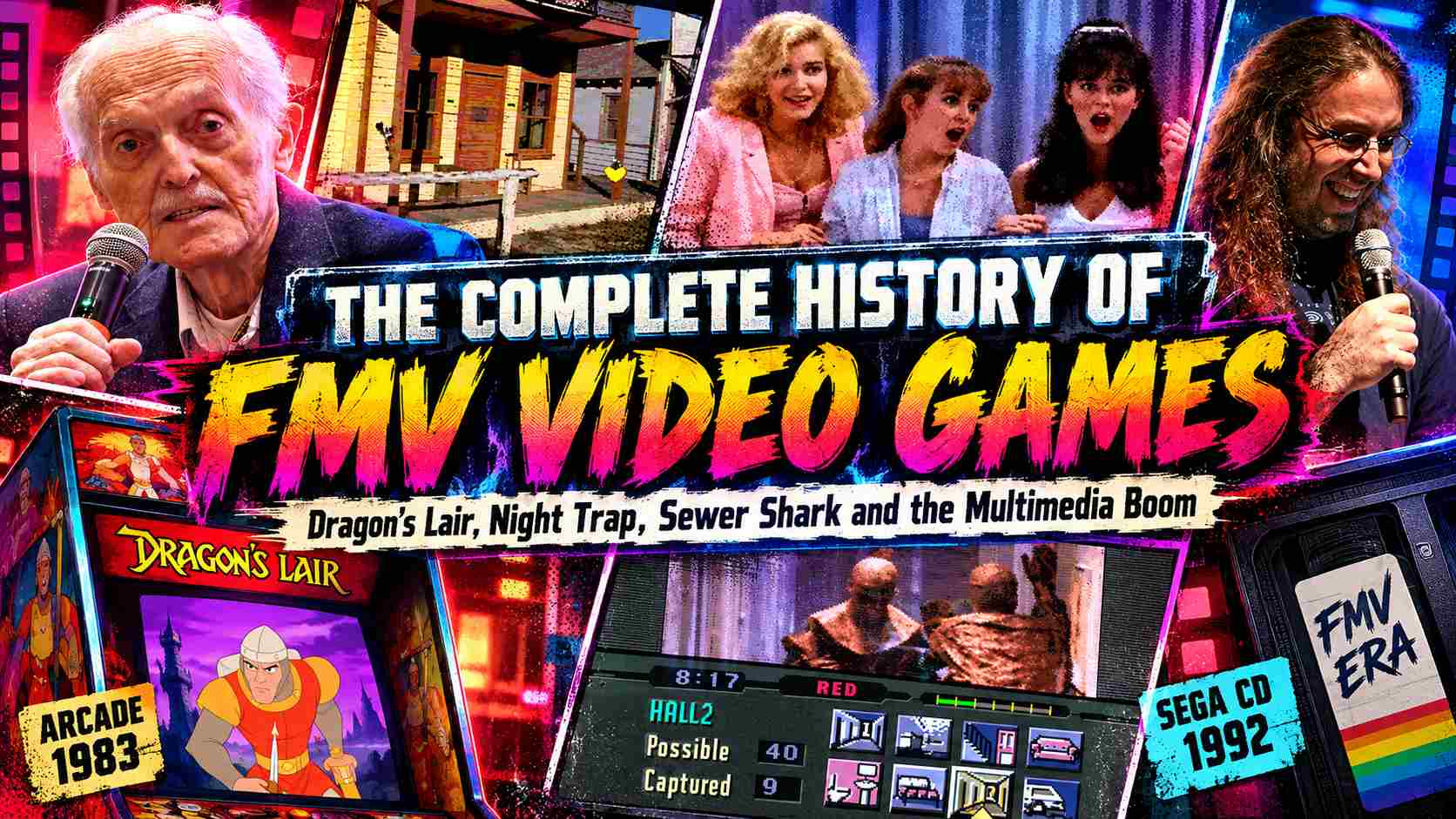
- The complete history of FMV video games
- George Sanger: The Fat Man on Wing Commander, Loom, and Team Fat
- The history of Team Fat
Sources and further reading
- Chris Roberts interview, Retro Replay. Original answers and follow-ups about memory, the crew, branching outcomes, Secret Missions, filmed performances, and possible future rights discussions.
- Times of Lore retrospective, RSI Museum. Roberts’s first Origin release and its interface.
- Origin’s June 1990 Wingleader announcement. The original press release, preserved by Roberts Space Industries. Its promotional claims are distinguished from later historical findings.
- Making Wing Commander I and II. Production account from Wing Commander I and II: The Ultimate Strategy Guide, including interviews and the early mission-disk business. Preserved by the Wing Commander CIC.
- Claw Marks, Origin Systems. The original game’s fictional personnel, tactics, ships, and shipboard reading.
- Wing Commander PC reference card. Original controls and interface documentation.
- Frank Savage interview, Fabien Sanglard. Firsthand discussion of Origin’s early graphics techniques, development, and the move toward texture-mapped 3D.
- George Sanger interview, Retro Replay. Sanger’s account of the original game’s music and Dave Govett’s contribution. The archival portrait was supplied for that interview.
- Secret Missions reference card. The first expansion’s original documentation.
- Secret Missions 2 reference card. Crusade’s original documentation.
- Upper Reaches of Apshai manual. A pre-Wing Commander expansion product, avoiding an inaccurate industry-first claim.
- Wing Commander II play guide. The opening situation, flight systems, and Special Operations continuity.
- Wing Commander II installation guide. Period hardware, installation, and speech-accessory information.
- Ellen Beeman interview, DigiPen. Her move into production, television animation reuse, and collaboration with Siobhan Beeman. Also the source of the campus portrait.
- Privateer play guide and credits. Trading, upgrades, travel, and the production roles of Russo, Manners, Erin Roberts, and Maurer.
- Wing Commander Academy manual. The custom-mission simulator branch.
- Super Wing Commander play guide. The rebuilt 3DO version’s original documentation.
- Wing Commander version comparison, Hardcore Gaming 101. Context for the different home-computer and console adaptations.
- Wing Commander III Warbirds. Original spacecraft reference material.
- The making of Wing Commander III. Archival production footage, embedded beside the move to live actors.
- George Oldziey interview, VGMO. The composer on joining Origin and scoring the later Wing Commander games.
- Wing Commander orchestral projects, George Oldziey. The composer’s own account of the fan-funded recordings.
- Wing Commander IV postmortem, Anthony Sommers and Origin QA. A May 1996 internal document on the schedule, testing, support, and production difficulties.
- Wing Commander IV play guide. Original campaign and control documentation.
- Privateer 2 manual. The different setting and systems of The Darkening.
- Prophecy Gold manuals. Prophecy and Secret Ops shipboard setting, combat, and documentation.
- Origin’s Secret Ops plans, GameSpot. Contemporary reporting of the downloadable starter package and episodic plan.
- Wing Commander film, AFI Catalog. The 1999 film’s director, cast, and production record.
- Wing Commander film review, Roger Ebert. Contemporary critical response.
- Origin Systems closure history. Background on the studio’s later online focus and 2004 closure, alongside period reporting.
- Wing Commander Arena launch, Xbox Wire. The July 2007 Xbox Live Arcade release and its multiplayer focus.
- Standoff, official project description. Its Secret Ops foundation, setting, branching campaign, and 2004–2009 episodes.
- The Darkest Dawn launch, Wing Commander Saga. The fan team’s own 2012 release announcement and relation to Wing Commander III.
- From the Vault to Your Library, Jim Vessella, EA. Firsthand account of the media recovery and community-assisted anniversary restorations. Also the source of the archive photograph and anniversary bar image.
- Wing Commander anniversary edition, GOG. Current official edition and legacy-game availability, checked November 14, 2026.
- Wing Commander II anniversary edition, GOG. Current edition contents and community-assisted improvements.
- Wing Commander III anniversary edition, GOG. Restored video and enhancement-patch features.
- Wing Commander IV anniversary edition, GOG. Restored-video options and current edition features.
- Prophecy anniversary edition, GOG. Current restoration and edition contents.
- Chris Roberts portrait, Cloud Imperium Games. Official leadership photograph, also used in the companion interview.