 Retro Replay Retro Replay gaming reviews, news, emulation, geek stuff and more!
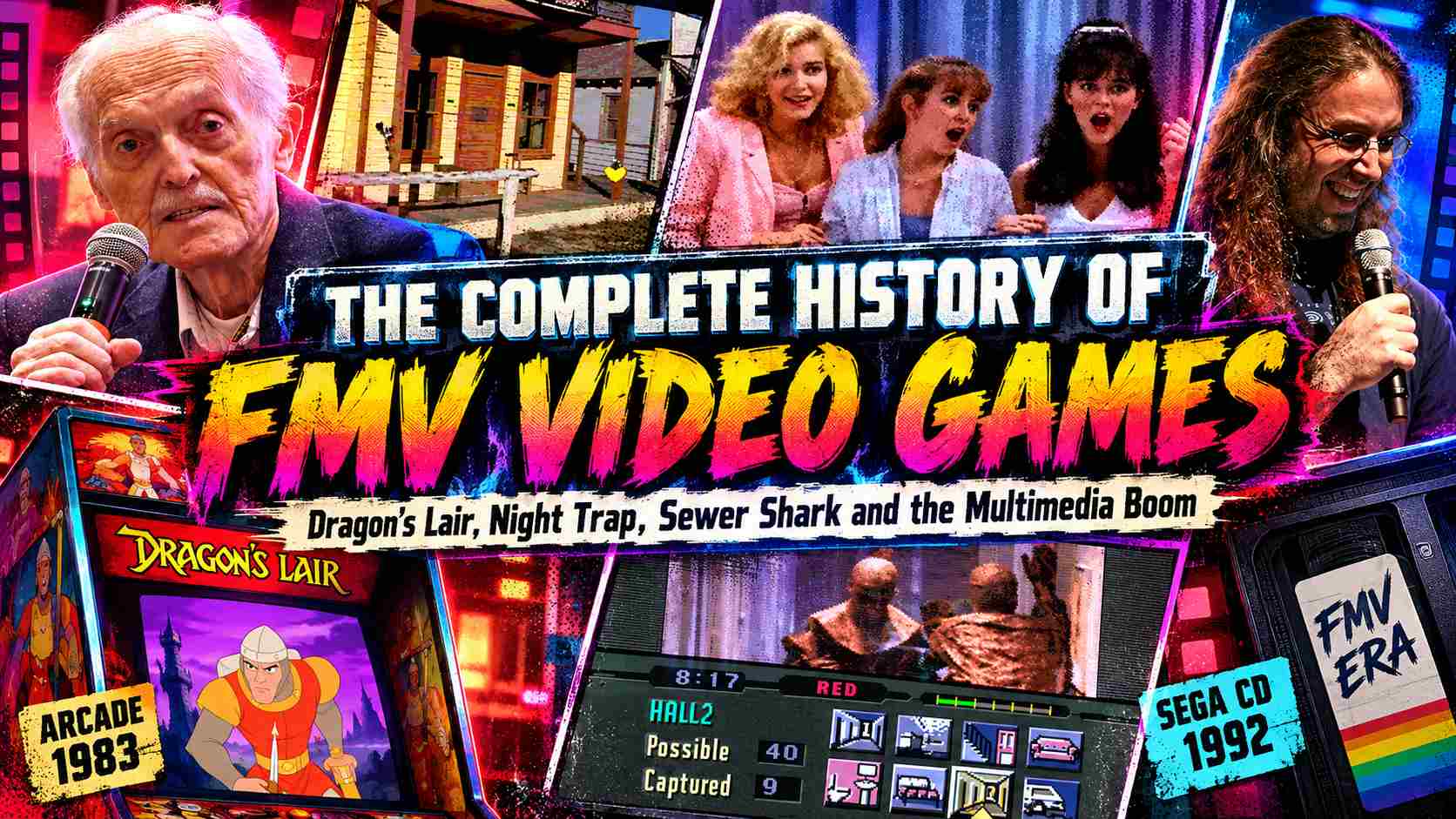
The first thing Dragon’s Lair asked you to do was watch. That was strange for an arcade game in 1983. Most machines made their case with a few seconds of sprites racing across a screen. This one had a knight charging through a castle drawn by professional animators. People gathered behind the player to see what came next. Then the player died.
Dirk the Daring’s death could be quick, elaborate, and expensive. The game did not give you much time to appreciate a room before it demanded a direction or a swing of the sword. Guess wrong and the cabinet rewarded you with another beautifully animated disaster. It was easy to spend more time admiring Dragon’s Lair than playing it. One visitor to a 2023 arcade discussion remembered: “I tried it a few times but I preferred to watch others burn through quarters.”

How could an arcade cabinet show a cartoon like this when its neighbors were still drawing characters a few pixels at a time? The answer was a laserdisc. Instead of generating every frame as the player moved, the machine played finished video and jumped to another sequence after an input. The trick made Dragon’s Lair look years ahead of the competition. It also meant that every possible success and failure had to exist on the disc already. You could choose Dirk’s next move. You could not invent one the artists had never drawn.
That prerecorded movement is what “full-motion video,” or FMV, meant to game makers. It could be hand-drawn animation, filmed actors, or computer-rendered footage. The important part was that the movement had been made in advance and played back when the game called for it. A few filmed cutscenes do not turn every game into an FMV game, and the photographed fighters of Mortal Kombat were digitized sprites rather than continuous video. The borders can be fuzzy, but the question running through this history is clear: what can a player do when the picture has already been shot?
The artists and the engineer
Don Bluth understood why that bargain might be irresistible. He had left Disney and built an independent animation studio with other artists who wanted to make features their own way. For Dragon’s Lair, his team had to create enough adventure to make an arcade player feel like the star of a cartoon, while keeping each scene short enough for a machine that demanded another decision almost immediately. Dirk stumbled, panicked, recovered, and sometimes looked as surprised by his survival as the player did. Bluth’s visual comedy gave a punishing game a hero worth following.

Designer Rick Dyer supplied the other half of the illusion. His system had to find the right sequence on the laserdisc quickly enough that Dirk’s adventure felt continuous. An animator could draw an extraordinary escape; Dyer’s machinery had to make the player believe they had caused it. Bluth and Dyer describe that marriage of art and engineering in a joint interview. Contemporary trade reporting and a Washington Post account show how striking the result seemed when it was new.
It worked magnificently from ten feet away. Up close, the player discovered the catch. A conventional arcade hero could run, stop, retreat, and try a new tactic. Dirk usually had one correct response and very little time to find it. The animation made the castle feel enormous; the controls made it feel narrow. Both impressions were true, and that tension would follow filmed games for decades.
Dragon’s Lair was not the only early laserdisc experiment. Sega’s Astron Belt mixed filmed space action with game graphics, though claims about which laserdisc game came “first” become tangled when trade-show demonstrations and commercial releases in different countries are counted together. Bluth’s team followed its own hit with Space Ace, a science-fiction adventure with another extraordinary collection of animated mishaps. Other cabinets tried anime footage, filmed action, and aerial battles. None could escape the basic exchange: breathtaking images in return for a world recorded before the player arrived.
A gun, a Western, and another way inside the picture
By 1990, American Laser Games had a blunt answer to the question of what a player should do with prerecorded footage: hand them a gun.
Mad Dog McCree replaced cartoon peril with actors in Western costumes. A sheriff needed help. Outlaws appeared in doorways and windows. The player aimed a light gun and fired before the scene turned fatal. Guinness identifies it as the first live-action light-gun video game. The claim is narrow, but it captures why the game felt different. These were filmed people you had to react to, not actors waiting to deliver a reward after a conventional level.

The performances had the broad flavor of a Saturday matinee, which suited the design. Nobody needed to study an actor’s face for a subtle clue; you needed to spot a threat and shoot. American Laser Games returned to the formula with Who Shot Johnny Rock?, Space Pirates, and Crime Patrol. The settings changed. The pleasure of being shouted at by a filmed villain while holding a plastic gun did not.
Sega pushed the showmanship further with 1991’s Hologram Time Traveler. Its cabinet used an optical illusion to make filmed characters appear to float above a stage. Once again, the presentation could stop a passerby without making the decisions especially complex. The arcade’s bargain was clear: the machine performed a magic trick, and the player paid to step inside it for a few moments.
The next generation of developers wanted to bring that trick home. An arcade crowd might forgive a brief, punishing encounter if the cabinet gave everyone a show. Someone who bought a new machine for the living room would expect an entire evening. That difference set the stage for an abandoned Hasbro console, Night Trap, and the CD-ROM gold rush.
The movie game comes home
The arcade could get away with a short, dazzling encounter. A home machine needed something you would still want to play after the crowd went home.
In the late 1980s, Hasbro tried to build one around videotape. Its proposed NEMO system would play specially prepared footage and let a game switch among scenes. The hardware never reached stores, but the team filmed two projects for it. One was a tunnel shooter called Sewer Shark. The other began as a mystery called Scene of the Crime: strangers enter a house, several rooms are visible through cameras, and the player must spot trouble before it reaches the people inside.
Rob Fulop helped design that second game. He had already worked on cartridge hits, including Demon Attack, so he knew the satisfaction of making a few inputs produce an immediate result. Video posed a different challenge. The actors could not change their performances because the player hesitated. If you watched the kitchen, events in the bedroom continued without you. The game was built around a familiar human failure: you cannot pay attention to everything at once.

Hasbro dropped the machine. For a while, the filmed games seemed destined to remain expensive demonstrations of a product nobody could buy. Fulop later recalled that he had a videotape of Scene of the Crime running, but believed the original game could no longer be played without its vanished hardware.
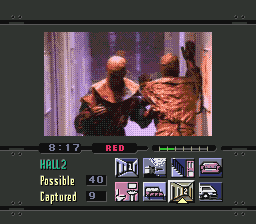
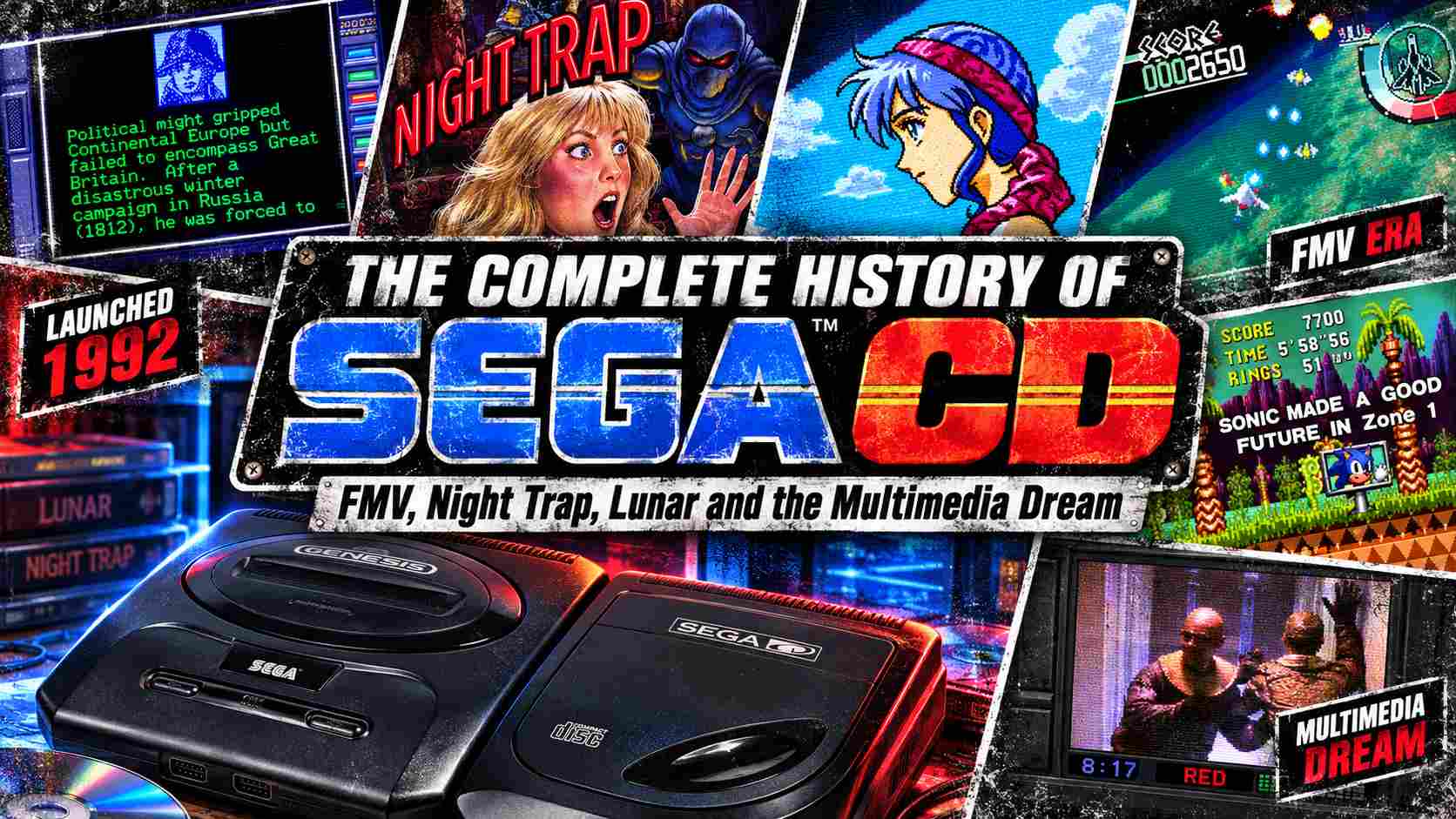
The footage got a second life when Digital Pictures adapted the projects for Sega CD. Scene of the Crime became Night Trap, released in 1992. Its house, performers, and camera-watching premise survived. The new machine gave the public a way to play it, though not quite the glamorous window into a movie that the idea suggested. The video occupied small parts of the screen, and the actors emerged from Sega’s compression looking softer and murkier than they had on set.
That did not remove the tension. The player still had to jump between rooms, catch intruders at the right moment, and keep track of a trap code that could change while something important happened elsewhere. Lose your place and you might hear the consequences before you see them. Night Trap could be campy and irritating, but it was doing more than asking you to choose the next scene in a movie. It made missing a scene the danger.
A sewer full of orders
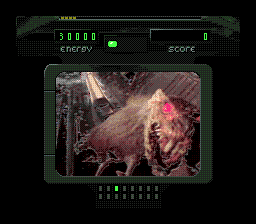
Sewer Shark offered the opposite sensation. There was no quiet search through rooms. You flew down tunnels, shot “ratigators,” listened for directions, and tried to take the correct turn before the route carried you past it. The filmed cast delivered encouragement and abuse as though the player were piloting the most important vehicle in the world.
For many Sega CD owners, this was their introduction to the whole FMV idea. Sewer Shark was bundled with the system, so its voices, tunnel footage, and relentless instructions arrived with the new hardware. The picture could be grainy and the repetition merciless. It could also feel extraordinary to hear actors address you from a game console in 1992.
Fulop’s memory of these games cuts through the grand claims attached to them. In an interview, he said the team thought Night Trap and Sewer Shark were “throw-aways.” They expected bigger movie games to follow. That is a startling description of two titles that became shorthand for an entire era, and it captures the confidence of the moment. To the people making them, these were early attempts. The audience would remember them as the main event.
“Many of us were convinced FMV was cool so we liked those games back then.”
A Sega CD owner remembering Sewer Shark and Ground Zero Texas in a 2024 player discussion.
That audience still disagrees about what it bought. It is easy to laugh at Sewer Shark through a modern video clip. It is harder to recreate the feeling of putting a disc into a new console and hearing a cast bark at you where a cartridge game might once have displayed two lines of text.
Could you make the movie yourself?
Sega CD’s strangest video pitch had little to do with survival. The Make My Video discs handed players music footage and invited them to cut their own version of a song. There were releases built around INXS, Kris Kross, and Marky Mark and the Funky Bunch.
The idea belonged to that brief period when a CD player beneath the television might plausibly be sold as a game console, a music machine, and a home editing studio. In practice, a cramped screen and limited controls made it difficult to produce the great pop video promised by the box. Still, these releases point to something the shooting galleries missed. Recorded footage could be material for the player to arrange. Years later, some of the strongest FMV games would ask players to search and compare clips instead of pretending they were freely moving through a filmed world.
The footage goes to Washington
In December 1993, Night Trap appeared in congressional hearings about violent video games. Its images were made for television news: young women in a house, masked intruders, and a title that sounded sinister before anyone explained the controls. Alongside Mortal Kombat, it became part of a national argument over what games could show and who should decide which children could buy them.
The player’s actual task mattered. You were supposed to stop the attacks. That does not settle every criticism of the game’s staging or its use of endangered women, but it is a poor description of Night Trap to say the player was rewarded for harming them. A clip shown without the interface could make that distinction disappear.
The industry was already facing questions from parents, retailers, and lawmakers about inconsistent age labels. The hearings intensified the pressure. The ESRB’s history dates its creation to 1994; our separate Night Trap and ESRB history follows the political fight in detail. Night Trap did not single-handedly create game ratings. It did become the unlikely face of the problem.
Digital Pictures kept filming. Double Switch returned to rooms and traps. Ground Zero Texas turned a town into an alien shooting gallery. Corpse Killer chose zombies and excess. Each new production offered more actors, locations, and footage. Each also demanded that someone shoot every scene the player might reach.
By then, Sega CD was only one stage for the experiment. CD-ROM drives were spreading to PCs, and other living-room machines wanted their own filmed attractions. The next wave had bigger storage, larger ambitions, and a question nobody had solved: how much movie could you afford to make before you had enough game?
The CD-ROM showpiece
Walk into a computer shop in 1993 and a CD-ROM drive could still seem like an expensive answer to a question nobody at home had asked. An encyclopedia was useful; it was not exactly a reason to drag the family over to the monitor. The 7th Guest was. It offered a mansion you could move through, puzzles with their own nasty sense of humor, voices coming from the rooms, and ghostly actors drifting across a rendered world. If a salesperson needed to show why a computer should have a CD drive, Stauf’s house did the job.
The people behind it had an origin story almost as theatrical as the game. Graeme Devine and Rob Landeros came out of Virgin Games and founded Trilobyte to make their haunted-house idea. Over the years, that departure became a story about being fired the instant they pitched it. Landeros gave a more complicated account in a later interview: the famous line has truth in it, but compresses a business deal and a new studio into a perfect Hollywood scene. The irony is delicious. Even the making of a CD-ROM spectacle acquired a version designed for a trailer.
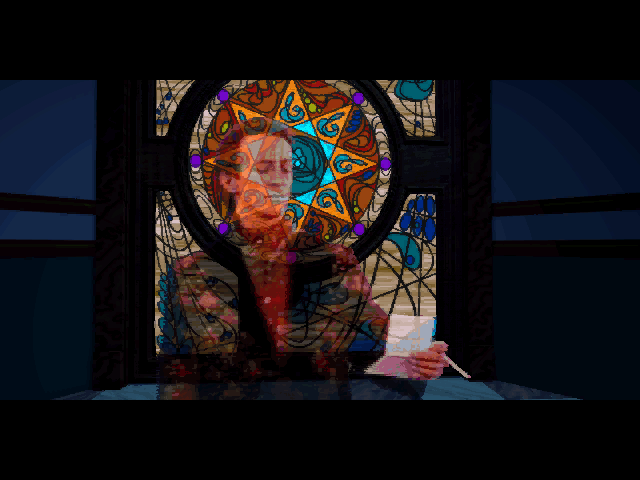
Devine had the less glamorous problem of making that spectacle run. His software streamed pre-rendered movement from the disc while the computer displayed filmed performers over the mansion. Landeros and the team made a useful artistic choice: the people were ghosts. A transparent, unnatural figure belonged in Stauf’s house even when the video and computer graphics did not blend perfectly. In a developer interview, Devine remembered the game arriving at just the right moment for buyers who wanted to see more from CD-ROM than reference books.

The house was the star. Its rooms opened into puzzles, its decor hinted at an ugly history, and its rendered corridors made the disc feel packed with places worth visiting. The actors provided apparitions rather than a cast you could interrogate freely. That balance helped the game. You were not waiting through one long movie; you were moving, searching, solving, and occasionally seeing someone who should not be there.
Myst arrived the same year and helped make the CD-ROM an object of desire in a different way. Its still, rendered locations and careful sound design gave players the pleasure of being somewhere unfamiliar. There were moving moments, but Myst was not principally a game of filmed actors. The two hits are often thrown together as evidence of an “FMV age,” when their differences explain much of the decade. A disc could hold a movie, a place, a performance, a voice, or simply a great deal of art. The hard part was finding a reason to make the player care about what it held.
Not every movie game belonged on a PC
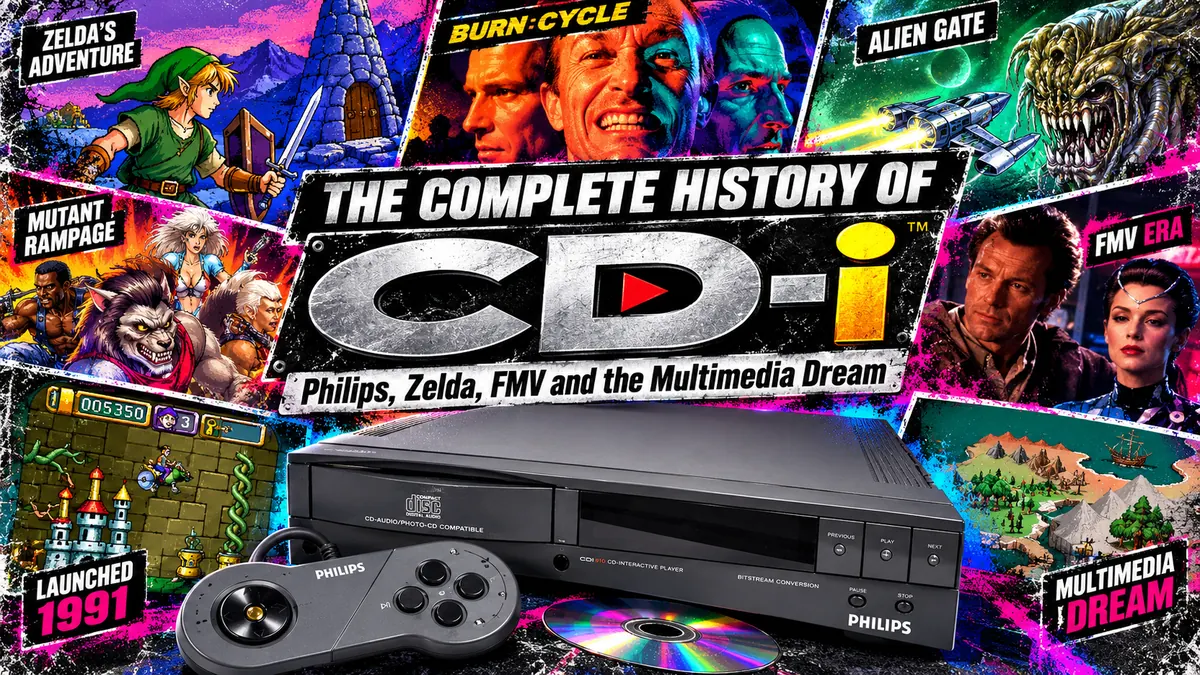
Publishers wanted that showroom effect in the living room too. Philips sold CD-i as a multimedia player before leaning harder into games. Panasonic and its partners promoted the 3DO as a premium CD-based system. Both hosted filmed adventures and shooters; both also faced a difficult question from anyone standing in a store: why buy a costly new machine if the video is gorgeous but the game beneath it feels slight?
Some titles answered by giving the player a believable job. In Voyeur, you observe a family entangled in political scandal and gather evidence from hidden cameras. The premise is sleazy, but surveillance gives a reason for the player to watch rather than run. CD-i’s Burn:Cycle made a cyberpunk thriller out of filmed fragments, computer interfaces, and a sense of time slipping away. The machine’s broader story, including its strange Nintendo connection, belongs in our system histories; here the point is what its game designers tried to do with a disc full of pictures.
Ports complicate the story. Night Trap, Mad Dog McCree, The 7th Guest, and Wing Commander III appeared on more than one platform. A different processor, controller, video window, or amount of compression could change how the same title felt. A clip from a Sega CD release is not a fair visual stand-in for its original arcade cabinet. Nor is a polished modern release a perfect record of what a family saw on a television in 1993. Those differences are part of the history, especially for games that sold themselves on the picture.
Tex Murphy gets out of the movie
Some PC developers found a way to give actors their close-ups without making the player sit on rails. In Under a Killing Moon, released in 1994, you play private eye Tex Murphy. You can explore a three-dimensional world, poke into corners, and look for clues. When Tex meets someone, the game shifts to filmed performers. It feels like a detective show whose sets you are allowed to enter between scenes.
That freedom changes the performances. The person across from Tex is not carrying the entire game on their shoulders. They are someone you have sought out because of a clue, a rumor, or a question. The player brings curiosity into the conversation. That is a more interesting relationship than watching a scene merely because the disc has decided it is time for one.

The Pandora Directive returned to Tex in 1996 with a larger mystery and choices that could steer the story toward different outcomes. It took advantage of film’s ability to make a character charming, suspicious, or pathetic in a glance, while still letting the player investigate. A camera could not make the world infinitely flexible. It could make the people in it worth questioning.
Wing Commander goes to Hollywood, then back to the cockpit
Chris Roberts had been pushing Wing Commander toward cinematic drama long before the series hired actors. By 1994, CD-ROM gave him space to do it at a scale that made the box look like a film production. Wing Commander III: Heart of the Tiger cast Mark Hamill as pilot Christopher Blair and surrounded him with live-action conversations, rivalries, and command-room tension. Then the player climbed into a fighter and went to work.
That last step is why the formula worked. The video could give the war faces, but it did not have to pretend that filmed actors could perform every evasive maneuver the player might attempt. Space combat remained the place where skill mattered. The scenes between missions supplied a reason to care who survived the next one. Wing Commander IV made an even grander bid for movie-scale drama in 1996, when publishers still believed a box of discs could signal an event.

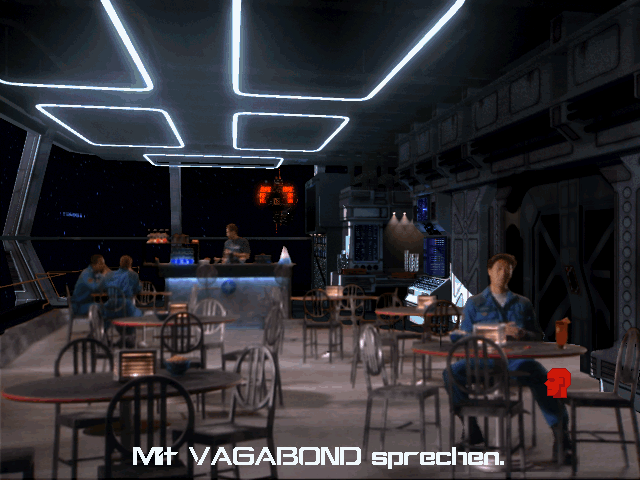
Westwood used a related trick in Command & Conquer. Live-action briefings gave its factions commanders, propaganda, and a winking television-news energy. The battle itself remained a strategy game of units and buildings. A briefing did not need to respond to every click on the map. It needed to make the next mission feel like part of a larger war. Those scenes became some of the series’ most memorable material because they had a clear job to do.
Roberta Williams opens the wrong door
Roberta Williams wanted something more intimate and unsettling. She had spent years designing Sierra adventures that invited players to explore illustrated worlds. With Phantasmagoria, released in 1995, she brought actors into a mansion with a violent past and made the player walk through it room by room. The finished game filled seven CDs. A contemporary Los Angeles Times report described a production with hundreds of participants and a budget in the millions.

The setup is simple enough to sound comfortable. An artist and her husband move into a large house. She wanders, opens drawers, studies old rooms, and gradually learns what happened there. The filmed performances let a glance or a change in tone sour the domestic calm. Williams had built an adventure around the sort of fear that grows while you are still allowed to walk through the front door.
The game also tested how much horror its audience wanted to see. Its violence and sexual assault drew criticism and restrictions. Those scenes cannot be waved away as mere evidence that the 1990s were easily shocked; they were choices that shaped how people experienced and judged the work. At the same time, reducing Phantasmagoria to its most controversial footage erases the size of Williams’ experiment. Her own account of her games places it in a career spent trying to make adventures feel more immediate. This one used actors, large sets, and seven discs to see how far that ambition could go.
Seven discs looked impressive on a shelf. They were less romantic when a player had to swap them, wait for footage, or discover that a seemingly obvious action had no filmed response. The shoot had ended long before the player could test the edges of the house. A film crew could make a corridor ominous. It could not return every time a game designer wished the player had one more choice there.
A werewolf story that knew why it needed actors
Jane Jensen faced many of the same limits and found a particularly good story for them. Her Gabriel Knight series followed a reluctant investigator drawn into supernatural history. The second game, The Beast Within (1995), sent him to Germany and put live actors into a mystery involving a possible werewolf. The performances could be broad. The dialogue could be strange. Yet a detective story gives you a reason to listen closely to a strange answer.

Jensen later remembered both the excitement and the cuts that came with this way of making a game. In a retrospective interview, she described the period when games and Hollywood seemed ready to merge. They did not merge in the way people expected. But The Beast Within shows why the hope was not foolish. Interviewing suspects, finding evidence, and wondering what someone is hiding are activities that make a filmed face matter.
“I adored the ’90s charm that flowed from every corner of the game.”
A player revisiting The Beast Within in a 2024 adventure-game discussion; the same comment enjoys its eccentric acting.
That affectionate laugh belongs beside the praise. A filmed performance ages differently from a painted sprite. Costumes, delivery, and camera work can date a scene to the minute. Sometimes that is a weakness. Sometimes it makes the game feel like a message sent intact from the year it was made. The making-of account shows the casting and production compromises behind Jensen’s mystery. The player sees some of those seams, then keeps going because they want the next answer.
Beyond the actors: cartoons, Star Wars, and a crowded shelf
The term “FMV” now tends to summon a soft-focused actor delivering a line through a tiny 1990s video window. At the time, the moving pictures could just as easily be animated or rendered. LucasArts’ Star Wars: Rebel Assault (1993) sent players down a prepared flight path through a familiar universe. Its sounds and sights made a CD-ROM drive seem to contain a little piece of a blockbuster. The controls reminded you that a ride through a filmed or rendered sequence was not the same thing as freely flying a starship.
That was no accident. LucasArts needed a way to stream moving imagery from a consumer disc and make it branch without asking the computer to draw every frame in real time. Its INSANE video engine began with Rebel Assault and continued into later games. A developer account of the Full Throttle remaster explains the technology’s route through the studio. Another LucasArts history describes how the streaming system gradually joined the adventure-game tools around it. That is a quieter legacy than the promise of an “interactive movie,” and a more durable one: video became something an existing game could call on when it needed speed, scale, or a particular shot.
Full Throttle (1995) is a good example of the difference. Its biker story did not ask you to click through a film from beginning to end. You explored, spoke with characters, solved problems, and occasionally watched an animated sequence that could carry action too elaborate for the ordinary game screen. The video served a tale with its own rhythm. It was not the only reason the tale existed.
Cartoon worlds presented another challenge to live-action games’ claim on cinematic prestige. Animation can move in ways a real actor cannot, and it need not apologize when the background is drawn. The old Dragon’s Lair problem remained—prepared animation still has a finite number of outcomes—but an adventure could surround those sequences with exploration, dialogue, and puzzles. It is worth remembering this side of FMV when a history of the format threatens to become nothing but actors and cameras. The disc also gave artists room to make movement itself the attraction.
Some games crossed the line between categories so often that a label is less useful than a description. Dune blended adventure and strategy with striking character portraits and cinematic presentation. Return to Zork put photographed and filmed figures into a puzzle journey. Neither exists chiefly to demonstrate video playback. The performers, images, music, and game rules pull in different directions, sometimes productively. A player who remembers the place or the puzzle more vividly than the footage may have found the healthiest version of the multimedia dream.
On the next shelf, however, the footage itself might be the attraction. Voyeur invited you to spy on a family. Mad Dog McCree dared you to shoot before an outlaw did. Wing Commander III advertised recognizable actors and a war that continued after each scene. The boxes could all be described as “cinematic,” but they were selling three different actions: observe, react, and fight. Retail language tended to flatten those differences. Once a buyer brought the disc home, the controls made them impossible to miss.
One disc, three very different nights
In Night Trap, you worry about the room you are not watching. In Mad Dog McCree, you keep your eyes on the next door or window. In The 7th Guest, you return to a room because a puzzle still bothers you. The footage may be prerecorded in all three; the attention each game asks of you is entirely different.
That range made the mid-1990s fascinating and confusing. “Interactive movie” could mean a rail shooter, a detective story, a cartoon adventure, a horror puzzle, or a music-editing toy. Some companies hired actors because the story needed a face. Others seemed to hire them because a face made a box look expensive. The distinction did not always reveal itself in a review screenshot. It did after an hour with the game.
The bad ideas were part of the boom too
By the middle of the 1990s, the phrase “interactive movie” could sell almost anything with a human face on the box. That was exciting when the game knew why it had filmed those faces. It could be disastrous when the video was the entire pitch.
Plumbers Don’t Wear Ties became notorious on 3DO partly because its supposed interactive romance offered so little actual moving footage. Much of the experience resembled a slideshow punctuated by strange choices. Supreme Warrior tried to turn filmed martial-arts opponents into a fighting game. Prize Fighter put the player into a boxing movie. Fox Hunt pursued comedy. None of these ideas was identical, and each deserves to be judged by what its player actually did. They do show how little the FMV label guaranteed. It might mean a tense camera puzzle, a light-gun attraction, or a box full of scenes that barely responded to you.
Adult horror made the gap between promise and play especially visible. Harvester placed actors in a grotesque small town where everyone seemed to know the protagonist better than he knew himself. Ripper chased a cyberpunk serial killer. Phantasmagoria: A Puzzle of Flesh leaned into another filmed nightmare. At their best, these games made an awkward performance feel like one more thing wrong with the world. At their worst, the player was left clicking through stiff conversations while the packaging promised a daring cinematic experience.
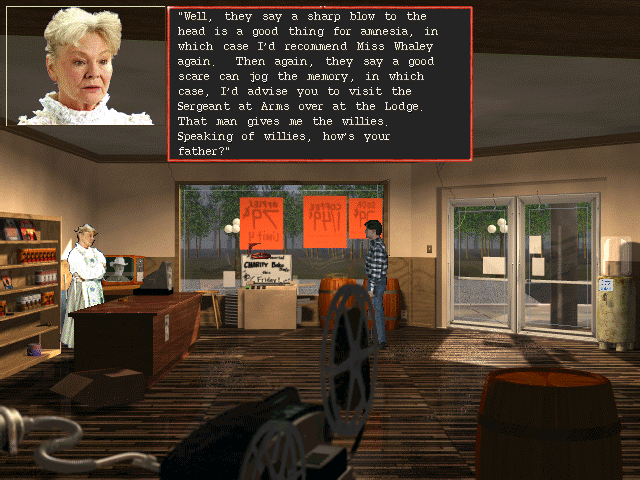
The period also produced games that are hard to fit into any tidy verdict. A rail shooter could be ridiculous and thrilling in the same afternoon. An adventure could have a good mystery and an actor who seemed to have wandered in from a different production. Players could enjoy an FMV game because it was funny, because it was suspenseful, or because the act of seeing people inside a game still felt new. A list of the genre’s worst scenes can be entertaining. It cannot explain why developers kept trying, or why so many people kept playing.
Where the money went
The CD solved one problem magnificently: it could hold far more pictures and sound than a cartridge or floppy disk. It did not make those pictures cheap to produce. A branching conversation needs the line the player hears and the lines they might have heard. A filmed action scene needs successes, failures, transitions, and perhaps another take when an actor’s position no longer matches the next shot. Each new branch buys the player a little freedom by giving the crew more work.
That collided with the way games are often improved. A designer can play a rough level, discover that a doorway is in the wrong place, and move it. A filmed doorway may be a set that has already been struck. If a conversation lacks the answer players keep looking for, the actor may have finished the job months ago. The crew has a schedule; the player has curiosity; the two rarely make appointments with each other.
Then the video had to survive the trip to a consumer machine. Teams squeezed faces, sets, and movement into small windows, limited colors, and drives that could interrupt a scene at the wrong moment. A strong voice performance might carry a picture that had become a mosaic. It might also become torture after the player failed the same route twenty times. Anyone who learned Sewer Shark by repetition knows how quickly a shouted command can change from atmosphere into an accusation.
Meanwhile, three-dimensional graphics were becoming more convincing. The new worlds did not always look as realistic as filmed actors, but they let players turn, walk away, and do something no film crew had prepared. Once a CD-ROM drive was ordinary, the sight of moving video stopped proving that a game was from the future. It had to be worth playing when the novelty wore off. The boom cooled because production costs, changing hardware, and rising expectations met in the same few years. There was no single day when players voted against seeing people in games.
Trilobyte’s troubles make the point. The 7th Guest made the studio a symbol of CD-ROM’s arrival, but making a second phenomenon was much harder than demonstrating a new drive once. Devine later spoke about projects and funding problems after the early success. Digital Pictures likewise built a recognizable identity around filmed action just as the marketplace began rewarding other kinds of spectacle. A hit could open the door to Hollywood-style production. It could not guarantee that the next costly shoot would earn its way back.
One former Digital Pictures executive later described the change with unusual bluntness. Greg Ballard told Game Developer that his time there felt like riding a bus while the rest of the industry boarded a jet. His complaint was specific: “we were trying to make zombies move around in a movie” while developers elsewhere were discovering 3D. That is one man’s retrospective judgment, and he admitted that Corpse Killer could still be fun. It is also a vivid account of a studio caught defending the trick that had first made it famous.
Ballard’s next encounter with FMV was almost too neat for a screenplay. He left for Capcom, attracted in part by what he saw of the game that would become Resident Evil. At a greenlight meeting, he found himself facing Fox Hunt, another lavish filmed project. In the same interview he recalled his horror at the production and offered a tiny sales number from memory. That number should not be treated as an audited result, but the reaction tells us something valuable. Even inside publishers, the movie-game dream no longer commanded automatic faith. A spectacular shoot could look less like the future than like money already spent.
The games that kept the camera rolling
FMV did not vanish when the great CD-ROM sales pitch faded. Dragon’s Lair and other laserdisc games found new releases. DVD players offered another place for branching scenes. Strategy games kept their filmed briefings, because a commander looking into a camera was still an effective way to begin a mission. The material survived wherever it had a clear purpose.
The years between the boom and the revival can seem quiet because nobody needed to call every filmed scene a revolution. That was healthy. A developer could use an actor for a conversation, an archive clip for a mystery, or a television broadcast for a joke, without promising that movies had replaced games. The camera became one tool among others.
Digital distribution lowered the stakes for a smaller experiment. A filmed mystery no longer needed a tower of discs to justify a large box in a shop. Better cameras and displays made faces easier to read. Editing tools became accessible to teams that could never have funded a mid-1990s studio production. None of this automatically made a good game. It did make it possible to ask a sharper question: what would a player want to do with a recording?
There was another change in the player. By the 2010s, searching, replaying, pausing, and comparing video clips had become ordinary habits. The old multimedia interfaces had asked families to learn a new kind of machine. A modern filmed mystery could assume that the player already understood a search box and a video window. That familiarity opened creative room. A game could hide a clue in a recording, trust the player to replay it, and know that the gesture would feel natural rather than futuristic.
The camera had also lost some of its old aura. Seeing a real person in a game was no longer enough to sell a system. That might sound like a loss for FMV. It was a gift to designers. They could choose a performer because the story required that performer’s expression, not because a marketing department wanted a face on the back of the box. Small projects could build around testimony, deception, or the act of editing. The budget no longer had to announce that games were about to become Hollywood.
The detective returns
Sam Barlow’s answer was to make the player search it. In Her Story (2015), you sit before an archive of police interviews. You type a word, watch the clips returned by the search, hear a remark that suggests another term, and begin again. There is no filmed hallway pretending to be an open world. The footage is evidence. It cannot respond to you because it was recorded before you arrived, exactly as evidence would be.

The performance rewards close attention. A pause, a word choice, or a change in tone may send the player back to the search box. You assemble the story in an order that depends on what you notice. Barlow’s GDC talk explains how much work the player’s imagination does between clips. The game does not need to film a response to every theory you form. It lets you form one and decide which recording might challenge it.
Telling Lies (2019) opened more windows onto private lives. Half Mermaid’s Immortality (2022) went deeper into cinema itself. Players examine footage connected to three unreleased films and a missing performer, then jump between shots by matching visual details. The pleasure lies in looking again: at a gesture in the background, at an object that appears where it should not, at the difference between an actor’s role and the person performing it. The game gives you a vast amount of film and makes scrutiny feel like action.
Other modern games found their own uses for live action. Contradiction: Spot the Liar! (2015) made interviewing and comparing statements its central puzzle. The Bunker (2016) and Late Shift (2017) revisited filmed branching stories. Not For Broadcast (2022) put players behind a live television feed, choosing what an audience would see under pressure. These games do not all solve the old problems in the same way. Their variety is evidence that there was never one FMV design waiting to be perfected.
Contradiction is a particularly neat descendant of the filmed detective game. You interview people about a suspicious death, collect their statements, then place two incompatible answers together. The satisfaction is not that you have chosen the “good” branch of a movie. It is that you have listened closely enough to catch someone out. The creator described looking for an alternative to the old choose-what-happens-next formula. The actors can stay inside a finite set of recordings because comparing what they say is the game.
Not For Broadcast brings the old multi-camera anxiety into a very different room. You sit at a television desk and decide which feed reaches the public, when to cut away, and what to censor as a strange political story grows around the station. The footage is not decoration. It is the live material you must handle while deadlines and mistakes pile up. On the studio’s 2022 developer Q&A, a player asked whether Night Trap had inspired it. A team member said they knew the older game but had not consciously followed it; Her Story, where video exists naturally inside the fiction, had been the direct influence. That is a revealing family tree. The idea travelled through a detective’s archive before arriving at a broadcast desk.
The studio’s official site calls the game an exercise in controlling the truth. That phrase lands because the player’s cuts alter what the fictional audience knows. The old promise was that recorded video would make games look like television. Here the game asks what it means to make television at all. The player works inside the apparatus that earlier FMV games had used merely to show a scene.
Immortality goes one step further and makes a film editor’s eye into the way you travel. Click an object in a shot and you may land in another piece of footage where that object, shape, or gesture appears. A costume can become a clue; a prop can connect performances made decades apart inside the fiction. The footage is lavish, but its size is not the selling point. You keep watching because every frame could change your understanding of the performer, the production, or the person who went missing.
Playing the evidence
Old FMV games are unusually easy to misremember through clips. A strange line from Sewer Shark circulates without the route pressure that made it part of a game. A Dragon’s Lair death becomes a funny cartoon without the coin that preceded it. A still from Night Trap can show a person in danger but not the player racing between cameras to save her. Sharing these fragments helps preserve them. It can also strip away the reason they were interactive.
Nostalgia can bend the story in the other direction. A childhood pack-in may feel like a masterpiece because it was the first time actors spoke from your console. The fairest way to revisit it is to keep that first thrill in mind, then play long enough to learn whether the choices sustain it. A game can be historically important and exhausting. It can be clumsy and still contain an idea that somebody else later made brilliant.
For a trip through the period, start with the question that interests you. Play an authentic Dragon’s Lair release to feel how narrow the window between watching and acting could be. Try Night Trap for its competing camera feeds and Sewer Shark for its relentless forward motion. The 7th Guest shows what a haunted house could do for a new CD drive; Under a Killing Moon lets you wander between filmed conversations; The Beast Within uses performers to deepen a mystery. Then play Her Story or Immortality and notice how much more control you have without ever controlling an actor.
Preservation requires care. An arcade laserdisc, a Sega CD port, and a modern remaster can carry the same title while showing markedly different footage and controls. An emulator can reproduce software behavior, but the surviving video data may already be a compressed copy of the original film. A restoration from better source material can improve the picture while changing how the old release felt. Both kinds of work matter; they answer different questions.
For one practical starting point, ScummVM added support for the DOS versions of several American Laser Games titles, including Mad Dog McCree, in its 2026.2.0 release. That is not blanket support for the arcade cabinets or Sega CD discs; check the release notes and use legally obtained game data. It is a way to play one branch of this history and see whether the Western still makes you reach for the gun.
The picture asks for a decision
Back at the arcade, Dragon’s Lair can still make someone stop walking. The animation has not lost its power. But the revealing moment comes after the spectator takes the controls. Dirk enters a new room. A path flashes. The player has barely enough time to move.
For decades, filmed games have been experiments in what should happen next. Some treated the image as the reward and forgot to make the choice satisfying. Others discovered that watching could itself be a skill: catching an intruder on another camera, hearing a lie in an interview, or recognizing a clue hidden in a film shot. The best FMV games do not pretend the picture can do everything. They give the player a reason to look—and a decision worth making once they have.
More Retro Replay histories
Follow the hardware and the controversy in our Sega CD history and our closer look at Night Trap and the ESRB. The History Of archive has more console stories, while the History of Emulation series follows the people who kept old games playable.
Sources and image notes
This feature draws on contemporary arcade trade coverage; interviews with Don Bluth and Rick Dyer, Rob Fulop, Graeme Devine, and Jane Jensen; ESRB, Her Story, and Half Mermaid primary material; and the linked player recollections. Forum comments describe individual experiences, not release dates or sales figures. Portrait credits appear beneath each image. The original creator of some game screenshots is not recorded in the site media library, and the Rob Fulop portrait still needs a rights decision before publication.




.jpg)


.png)