Retro Replay Retro Gaming History, Reviews & Emulation
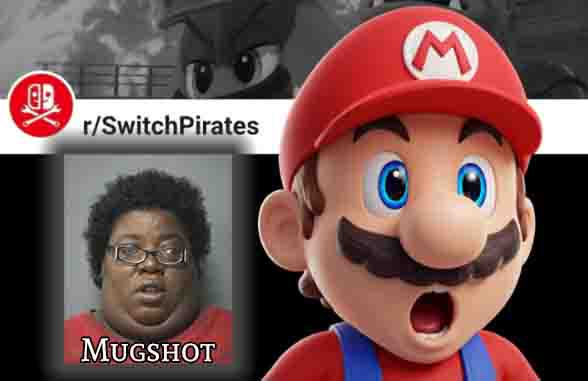
A $4.5 million judgment can sound like a precise measure of damage. In Nintendo’s case against James C. Williams, known online as Archbox, it was something different: the maximum statutory award the court granted for each of 30 selected games after Williams did not defend the lawsuit.
Retro Replay covered Nintendo’s original lawsuit against Williams before the court entered this default judgment.
On September 23, 2026, U.S. District Judge Lauren King of the Western District of Washington entered a default judgment and permanent injunction in Nintendo of America Inc. v. Williams. The order awards Nintendo $150,000 for each of 30 copyrighted works, totaling $4.5 million. That is statutory copyright damages—not a finding that Nintendo proved $4.5 million in lost sales, or that Williams earned that amount.
What the court decided—and what it didn’t
A default judgment is not a trial in which both sides present and test their accounts. The order says Williams did not respond or defend the case despite receiving notice. For purposes of the default, the court treated the complaint’s factual allegations as true, while still requiring Nintendo to establish its entitlement to relief.
Nintendo’s complaint alleged that Williams helped run or promote online shops including Jack-in-the-Shop, Turtle in the Shop, and LiberaShop, and moderated the Reddit community r/SwitchPirates. It described LiberaShop as offering more than 33,000 versions of Switch games. The complaint also alleged that a “Missing Dumps” community solicited eShop gift cards or game files, with contributors receiving enhanced access. Those details are allegations in a case that was not contested on its merits.
The distinction matters because headlines describing the case as one about “selling” pirated games can suggest straightforward sales of game files. Nintendo’s complaint instead described shops that offered games for free and alleged donation systems and access incentives. The judgment establishes the court’s award and injunction; it does not turn every allegation in the complaint into a finding after a contested hearing.
Why the number reached $4.5 million
Copyright law allows statutory damages for infringement, including an enhanced maximum for willful infringement. Nintendo sought $150,000—the statutory maximum for willful infringement—for each of 30 games listed in the case. It did not seek damages for every alleged infringement, separate statutory damages under the DMCA, or attorney fees. Judge King found the requested award reasonable in light of the allegations and evidence submitted, and Nintendo’s decision to seek less than it potentially could have.
The order discusses Nintendo’s estimate that thousands of copies had been distributed, but also says the company could not specifically quantify its lost revenue. The $4.5 million figure therefore represents the court’s statutory award across 30 works, not an accounting of proven sales or losses.
A case that went unanswered
The court record describes Nintendo sending Williams a cease-and-desist letter in March 2024, which Williams acknowledged receiving. It also says he exchanged emails with Nintendo’s lawyer and indicated that he would retain an attorney. Attorney William R. Burnside later appeared for the limited purpose of responding to a Google subpoena, not as general counsel for the lawsuit. The order says attempts to contact the attorney afterward were unsuccessful.
That procedural history is more specific than saying Williams simply had no lawyer. But it did not produce a defense to Nintendo’s claims: Williams failed to answer the complaint, and Nintendo asked the court to enter judgment by default.
The injunction reaches beyond the damages award
The judgment permanently bars Williams from distributing Nintendo games or circumvention software, and from encouraging others to do so. It also directs him to disable online accounts and platforms used for the infringing activity. The order sets out those obligations; the current status of particular shops or accounts requires separate, up-to-date confirmation.
The legal outcome is clear, but its limits are just as important. Nintendo obtained the maximum statutory award it requested for 30 works and a permanent injunction. Because the case ended by default, the allegations about how the shops operated were not tested in a trial—and the judgment does not show whether Nintendo will collect the full amount.