Retro Replay Retro Gaming History, Reviews & Emulation
Some sequels give you more of the same. Others take everything you loved about the original and turn it into something truly special.
For me, Fable II was the latter.
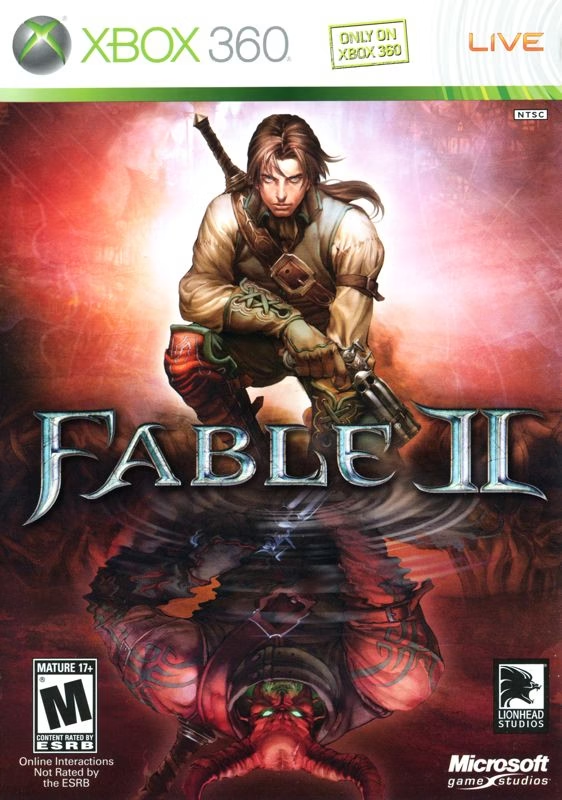
On 21 October 2008, Lionhead Studios released Fable II for the Xbox 360, returning players to the fantasy world of Albion for another adventure filled with magic, monsters, moral choices, and that wonderfully peculiar British sense of humor.
The original Fable was one of those games that reaffirmed my love for RPGs. The fantasy setting, the freedom to develop my character, the choices, and all those little touches that gave Albion its personality made it something special.
But as much as I enjoyed it, the original always felt like it was over just as I was really getting started.
Like sitting down to a wonderful meal, enjoying the appetizer, and discovering the kitchen had closed.
Fable II, on the other hand?
That was a five-course feast.
And eighteen years later, it remains my favorite of the trilogy.
Welcome Back to Albion
Set approximately 500 years after the original game, Fable II returned us to a kingdom that had undergone some significant changes.
 The old age of heroes had largely faded into legend. Towns had grown, society had evolved, and firearms were beginning to find their place alongside swords and sorcery.
But beneath all that progress, Albion was still Albion.
There were bandits in the countryside, monsters lurking in dark places, corrupt individuals pursuing their own ambitions, and plenty of ordinary citizens whose biggest concerns involved money, romance, and whether the local hero was wearing any pants.
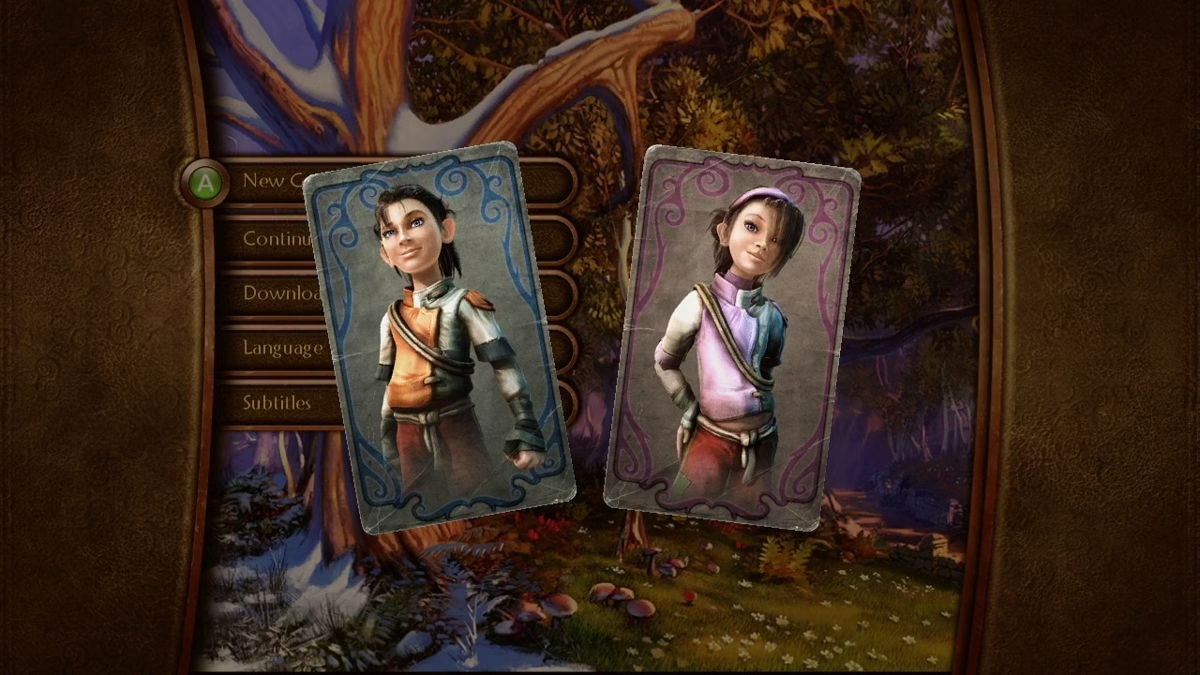
The story begins with your character as an impoverished child living in Bowerstone alongside a sibling, Rose. A chance encounter sets events in motion that eventually lead to a much larger adventure involving Lord Lucien and the mysterious Tattered Spire.
I really enjoyed the story, but I’m not going to spoil it for anyone who hasn’t played.
Suffice it to say, there were plenty of reasons to keep pushing forward.
And just as importantly, plenty of reasons to stop and smell the roses along the way.
Some of Us Just Aren’t Cut Out to Be Villains
One of the things that originally attracted me to Fable was its morality system.
You could become a beloved hero, admired by the people, or embrace your darker impulses and become a thoroughly unpleasant individual.
Your choices affected your appearance, reputation, and relationships with the people of Albion.
And I’ll admit, I gave the evil path a try in the original Fable.
I wanted to discover everything Albion had to offer, including the collectibles and secrets hidden behind those mysterious Demon Doors. Unfortunately, one of them required a particularly evil disposition to open.
So I tried being the bad guy.
The problem?
I felt guilty about it.
Seriously. There I was, playing a fantasy RPG, doing terrible things to imaginary people just to unlock another secret, and my conscience was giving me grief about it.
I had a similar experience trying the dark side in Knights of the Old Republic. Eventually, I decided that being evil just wasn’t for me.
I haven’t deliberately pursued an evil playthrough in an RPG since.
I was going to be the hero.
And while I appreciate games that allow players to explore different moral paths, I’ve learned something about myself over the years.
Apparently, even my imaginary villains have to live with my conscience.
A Hero Has to Make a Living
One of the biggest improvements in Fable II was how much more there was to do outside the main adventure.
You could purchase houses, buy businesses, rent out properties, work ordinary jobs, get married, and raise a family.
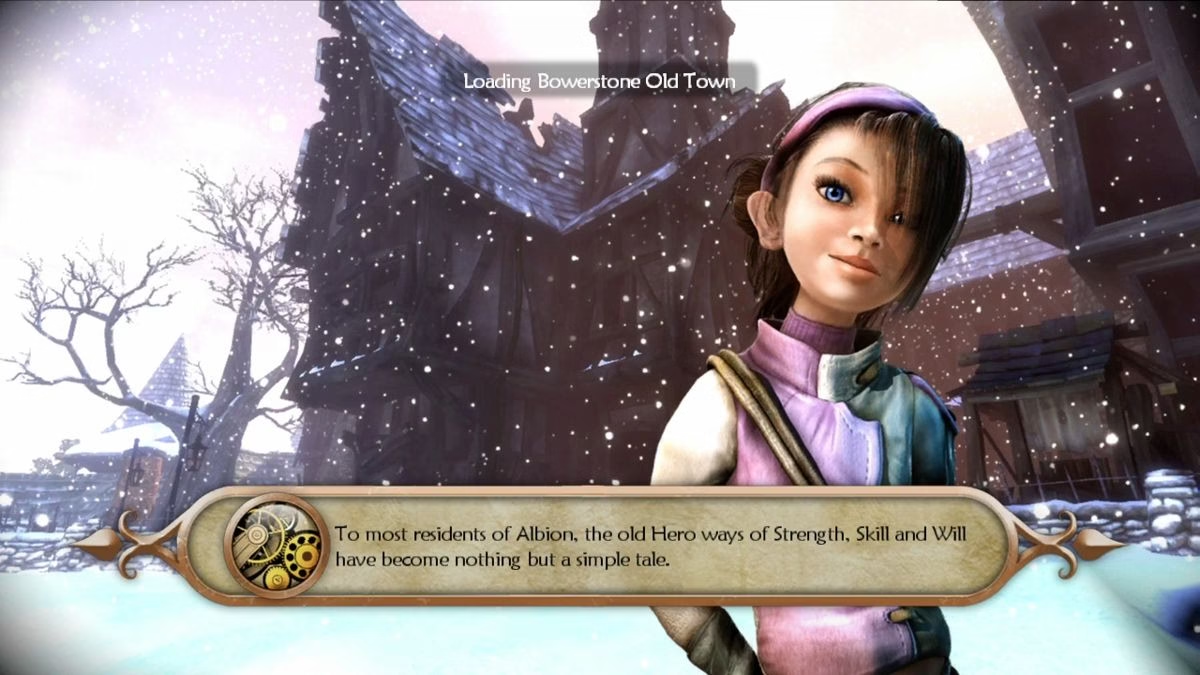 And I did all of it.
I bought properties and rented them out. I got married and started a family. I spent time with the various minigames (and yes, even the pub games), explored the world, and generally tried to experience everything Albion had to offer.
Blacksmithing, woodcutting, and bartending were presented through simple timing-based minigames. They weren’t particularly complex, but they were entertaining little distractions that gave you another reason to spend time in town.
Or, once you’d accumulated enough money, you could become a landlord and let your investments do the work.
Naturally, you could also adjust how much rent you charged.
Which meant you could be Albion’s greatest hero while simultaneously becoming its most obnoxious property owner.
Not that I was interested in taking that particular route.
For the record: Fable II even allowed rental income to accumulate while you weren’t playing. You could come back to Albion and discover that your little real estate empire had been busy earning money in your absence.
But the important thing wasn’t simply the number of activities.
It was how they all contributed to making Albion feel like a place where I could actually live.
I wasn’t just passing through towns to collect quests and buy equipment. I had homes, businesses, relationships, and reasons to return.
That was a big part of the five-course meal I’d been hoping for after finishing the original game.
Man’s Best Friend, Even in Albion
Then there was the dog.
One of the biggest additions to Fable II was your faithful canine companion, who accompanied you throughout the adventure.
Your dog could track down buried treasure, warn you of danger, help in combat, and learn tricks. Its appearance could even change depending on your character’s morality.
I liked the dog, but not simply because it was another useful gameplay mechanic. It wasn’t, really.
But it gave me something more immediate to care about.
In so many RPGs, you’re sent off to save some kingdom, rescue some distant stranger, or complete some grand quest for someone you’ve barely met.
And that’s fine. I’ve been saving imaginary worlds for decades.
But having a companion traveling alongside you, something that depended on you and shared in your adventures, added a more personal element to the experience.
I wasn’t simply concerned about myself and some faraway quest giver.
I had my dog.
And sometimes, a little emotional investment goes a long way toward making a game memorable.
Everything I Loved, Only More of It
Of course, there was still plenty of traditional adventuring.
Combat revolved around the familiar Strength, Skill, and Will disciplines, allowing you to specialize in melee weapons, ranged combat, or magic.
The sequel streamlined the combat system, making it easier to switch between attacks and experiment with different approaches.
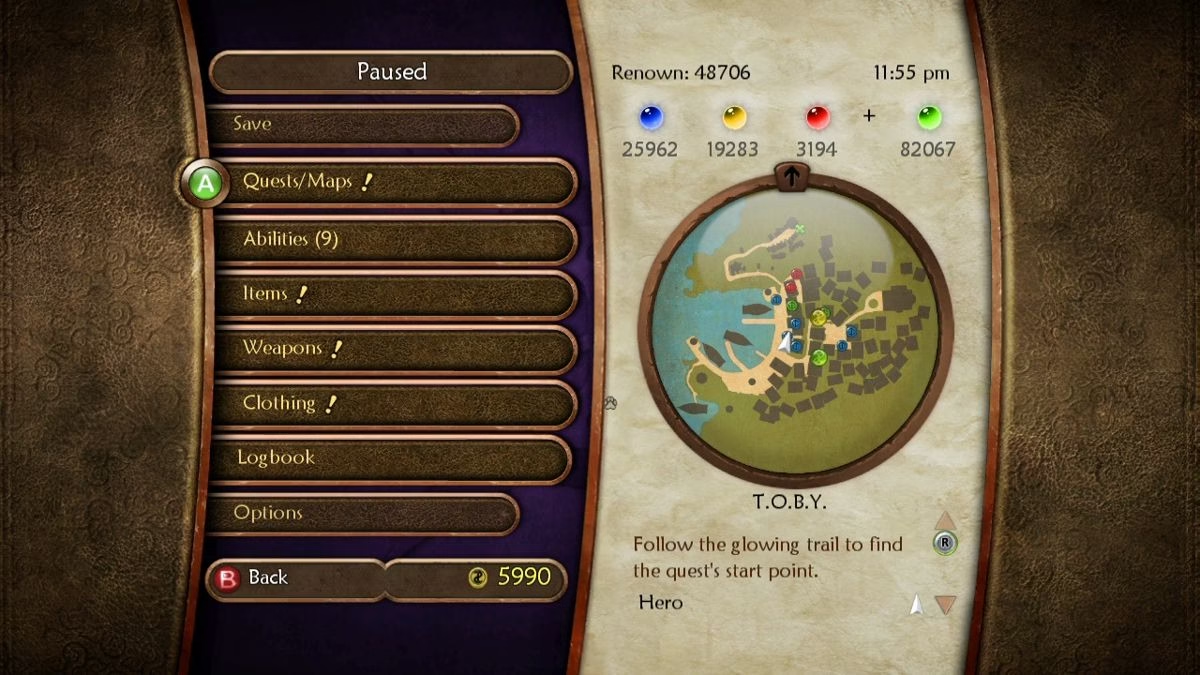 Was it the deepest combat system in RPG history? Hardly.
But it was fun, accessible, and perfectly suited to the kind of adventure Lionhead was creating.
And Albion itself was wonderful.
The villages, forests, towns, and darker corners of the kingdom had a distinct fairy-tale atmosphere. There were eccentric characters, ridiculous jokes, hidden treasures, unusual quests, and enough distractions to keep me wandering around long after I probably should have gotten back to saving the world.
That’s something I think the original trilogy understood particularly well.
Albion wasn’t just another generic fantasy setting.
It was whimsical, occasionally ridiculous, sometimes surprisingly dark, and always full of personality.
There were plenty of enormous fantasy RPGs that offered more land to explore, more complicated systems, or longer adventures.
But bigger doesn’t automatically mean better.
Sometimes a world just needs to be interesting.
And Fable II was interesting almost everywhere I looked.
Why Fable III Didn’t Quite Measure Up
I’ve enjoyed all three games in the original Fable trilogy, but the second has always been my favorite.
The original introduced me to Albion and reminded me why I loved RPGs.
The second expanded on practically everything I enjoyed about the first.
But Fable III?
I liked it, but something had changed.
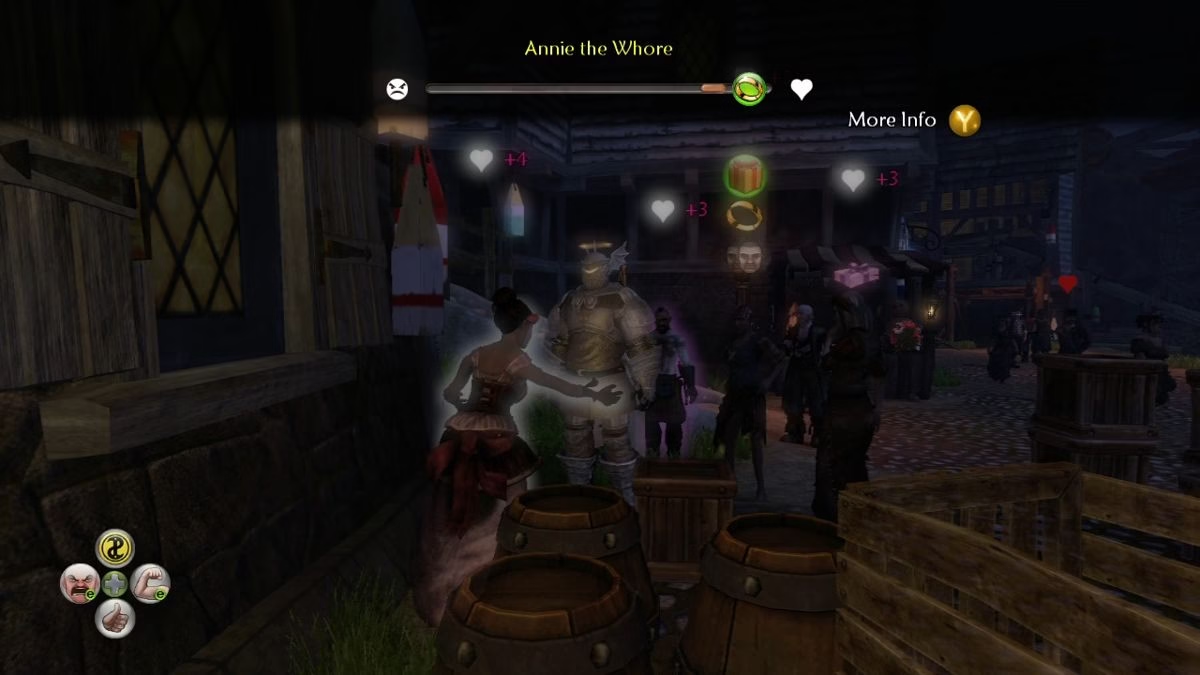 It felt more focused and linear, with less of that inspired, open, whimsical atmosphere that had made its predecessors so entertaining.
It wasn’t that the third game was terrible. There were still plenty of things to enjoy, and Lionhead certainly wasn’t afraid to experiment with the formula.
But something about the charm had started to wear off.
And maybe that wasn’t entirely the game’s fault.
By then, I’d played a lot of RPGs, and the industry itself was changing. Games were getting bigger, more expensive, more elaborate, and increasingly focused on presenting these grand cinematic experiences.
Maybe some of the novelty had simply faded.
Maybe I’d changed as a player.
Or maybe Fable II had captured a balance of adventure, freedom, and whimsy that was genuinely difficult to improve upon.
Whatever the reason, the third game never quite recaptured the magic of the second for me.
And Now There’s Another Fable on the Horizon
Which brings me to the upcoming Fable reboot from Playground Games.
I’d love to say I’m excited without reservation, but I’m not.
Part of me is thrilled at the prospect of returning to Albion. After all these years, another proper Fable adventure is something I’ve wanted for a long time.
But another part of me is worried.
The developers have talked about their ambitious living population system, featuring more than 1,000 individually designed NPCs, each with personalities, routines, homes, and occupations.
That’s certainly impressive.
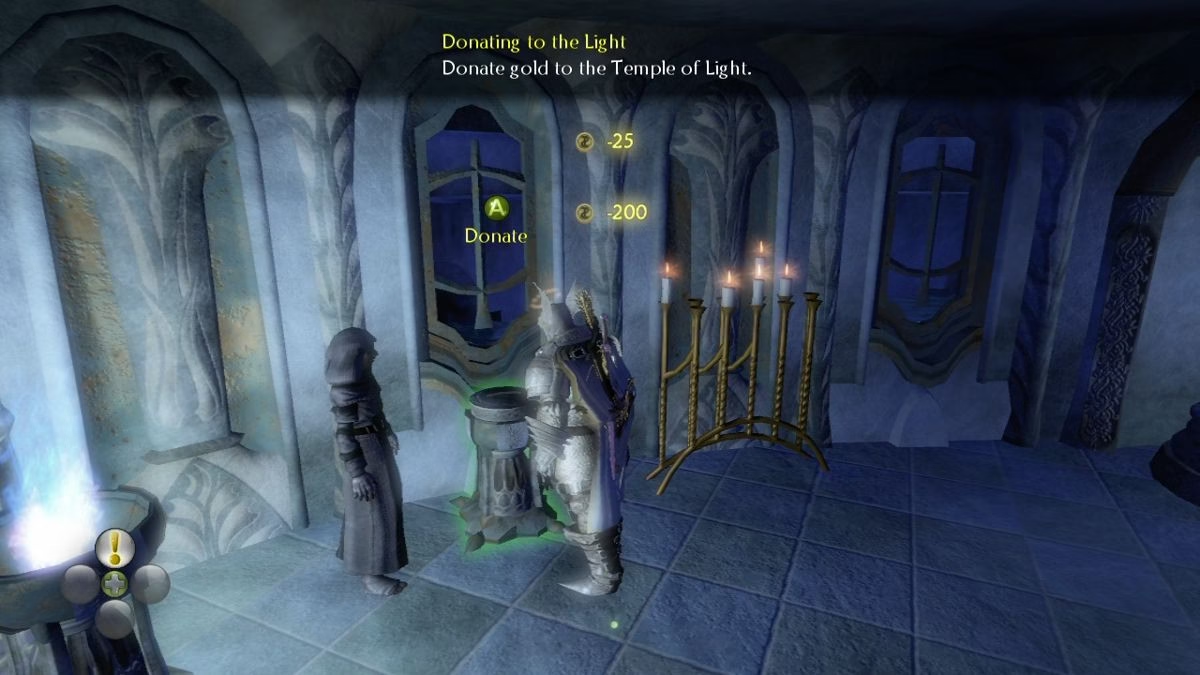 But they’ve also indicated that the main storyline will take approximately 15–20 hours to complete, with another 15–20 hours of side quests and exploration.
And I have to wonder.
Are we putting too much emphasis on technical accomplishments and enormous feature lists while losing sight of what made these games special in the first place?
Don’t get me wrong. There’s nothing inherently wrong with a shorter story, and a thousand interactive characters could be fantastic if they’re implemented well.
But I don’t necessarily want a thousand NPCs. I think their focus on that instead of giving players more story is a mistake.
I want a world filled with characters worth remembering.
Normies might be ok with 20 hours, but I’m not.
Remeber when Bethesda was bragging about all the planets to explore in Starfield? Turns out, only a handful of them were worth visiting.
I don’t need another lavishly produced fantasy RPG that tries to impress me with its budget, visual fidelity, or sheer number of things to do.
I want the charm, the humor, the freedom, the strange little stories, and the whimsical personality that made Albion feel different from every other fantasy kingdom.
And after Fable III, I worry that the series might have continued drifting away from some of those qualities.
Maybe I’m wrong.
I certainly hope I am.
Playground Games has talked about preserving the fairy-tale identity of the franchise, and some of what they’ve shown looks promising.
And some looks absolutely terrifying.
But until I actually get my hands on the game, I’m going to remain cautiously optimistic.
I’d love nothing more than to be proven wrong.
Eighteen Years Later, It’s Still My Favorite Fable
Looking back, Fable II remains one of my favorite Xbox 360 RPGs, not because it was the most complicated or technically sophisticated game of its generation.
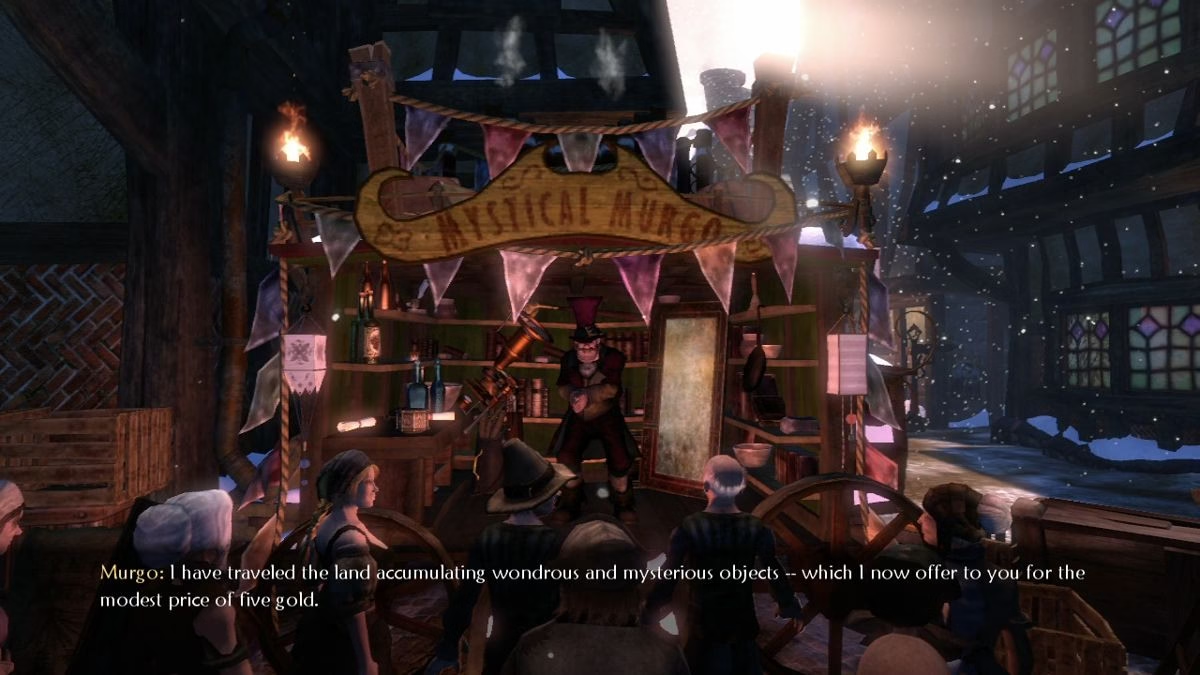 It was because it understood what I wanted from an adventure.
A memorable world. A good story. Interesting characters. Meaningful choices. Plenty of things to explore and discover. And enough personality to make the whole experience something more than the sum of its parts.
I could save Albion, buy property, raise a family, work an ordinary job, explore forgotten ruins, or simply spend time wandering around with my dog.
And I wanted to do all of it.
The first Fable was that wonderful little appetizer that reminded me how much I loved roleplaying games.
Fable II was the five-course feast that finally satisfied my appetite.
And eighteen years later, I’m still waiting for another trip to Albion that leaves me feeling quite as full.
Which Fable game was your favorite? And do you think the upcoming reboot can recapture the charm of the original trilogy, or has that particular fairy tale already been told?
#GamesWithGalt #FableII #Fable #LionheadStudios #Xbox360 #RPG #FantasyRPG #GamingHistory #RetroGaming