 Retro Replay Retro Gaming History, Reviews & Emulation
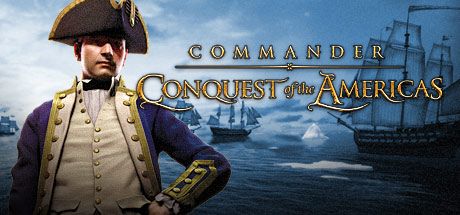
Retro Replay Review
Gameplay
The first hour has a wonderfully practical rhythm. You establish a colony, choose buildings that shape its production, load a ship, and begin figuring out how to turn local goods into something Europe will pay for. Commander: Conquest of the Americas understands the quiet satisfaction of a trade route finally paying off. Sending a vessel out with cargo and bringing it back with settlers or useful goods gives your growing empire a tangible rhythm rather than reducing everything to a pile of numbers.
Colony building is more abstract than the theme initially suggests. You choose from roughly 30 buildings through menus instead of placing structures directly on a map, so this is not the game for you if you want to design dense ports or carefully lay out streets. Population growth expands a colony’s influence, and resources within that expanding reach are used automatically. It is streamlined, sometimes almost too hands-off, but it keeps attention on the larger question: what should this colony make, and where should your ships take it?
Trade routes are where the management side starts to click. Once you can automate regular runs, the map becomes less about babysitting individual ships and more about building a dependable commercial network. Native trade opens up as colonies grow into the right areas, while diplomacy offers a compact set of decisions around trade, alliances, and war. None of this is especially deep on its own, but it creates enough pressure around expansion that you cannot simply treat every settlement as an isolated profit machine.
Naval combat breaks up the accounting with separate battles involving as many as 30 ships. You can issue standard real-time strategy commands or directly steer ships with the keyboard, which gives the fights more hands-on energy when you want it. Fourteen ship types bring different strengths and weaknesses, with some arriving only in later years, and captains can gain abilities such as faster sailing. If you would rather stay focused on commerce, automatic battle resolution is a welcome escape hatch.
The campaign adds advisor missions, including timed economic goals such as amassing a required amount of gold bars. Their mood rises or falls with your success, and letting it drop too far ends the game. That creates useful urgency, though it can become frustrating if you prefer to grow at a leisurely pace. Free play is the better home for experimentation, while instant ship battles suit anyone who wants naval action without committing to a full colonial economy.
Graphics
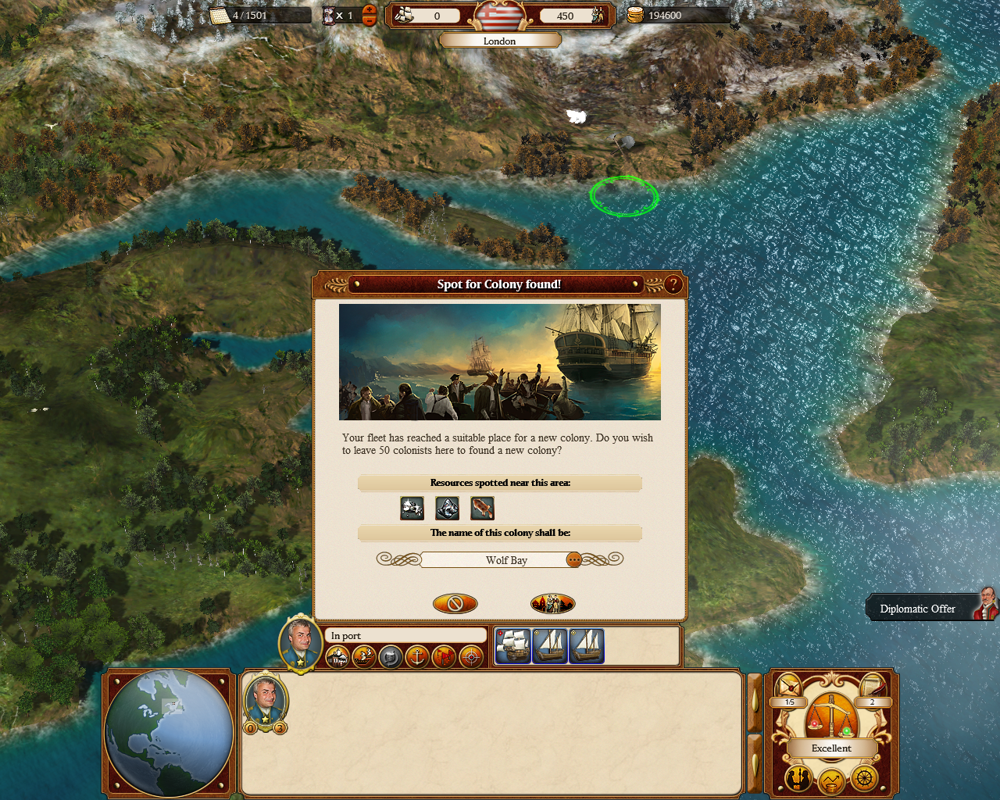
The game uses a diagonal-down, scrolling map view with a free camera for the colonial layer, then moves naval encounters to dedicated battle screens. That split makes sense for a game constantly asking you to monitor settlements, trade movement, and fleets, while the separate battles give ship positioning room to matter.
Story
There is no character-driven colonial saga carrying you from one dramatic event to the next. Instead, the campaign frames progress through orders from advisors. Their requests give your expansion a direction beyond raw profit, and their changing mood makes those objectives feel consequential because a sufficiently unhappy advisory group can end the campaign.
That light structure fits the game’s priorities. Your story comes from the business decisions you make: a colony reaching new resources, a profitable route becoming reliable, or a war forcing your merchant fleet into danger. It is a tale told through trade and territorial growth rather than scripted personalities.
The seven European nations chiefly matter through their starting positions, so do not expect radically different narrative paths. The historical Age of Discovery backdrop works best as a reason for competing colonies, shipping lanes, native trade, and diplomacy to intersect. Campaign missions give that backdrop momentum, but the game remains firmly focused on your ledger and your fleet.
Overall Experience
Commander: Conquest of the Americas is at its best when you enjoy the modest triumph of making a far-flung supply chain work. It does not ask you to hand-place every building or master a sprawling diplomacy system. Instead, it keeps returning to a pleasing core loop: develop a colony, find goods, move them efficiently, and reinvest the proceeds into a larger network.
That focus also explains its limits. Settlement growth can feel static because construction happens through menus and resource use is automatic once population influence reaches it. Diplomacy is functional rather than rich, and the campaign’s advisor-mood failure condition may feel punitive when a timed objective goes wrong. The naval battles add welcome variety, but they do not transform this into a combat-first strategy game.
Give it a chance if the thought of charting routes between colonial ports and Europe sounds more exciting than personally arranging every house in a settlement. The ability to automate trade lets the broader strategy breathe, while optional direct ship control and captain upgrades offer enough involvement when trouble arrives. Its 6.9 score feels fair: a solid, focused colonial trading game with enjoyable fleet management, held back by relatively simplified colony building and diplomacy.


Reviews
There are no reviews yet.