 Retro Replay Retro Gaming History, Reviews & Emulation

Retro Replay Review
Gameplay
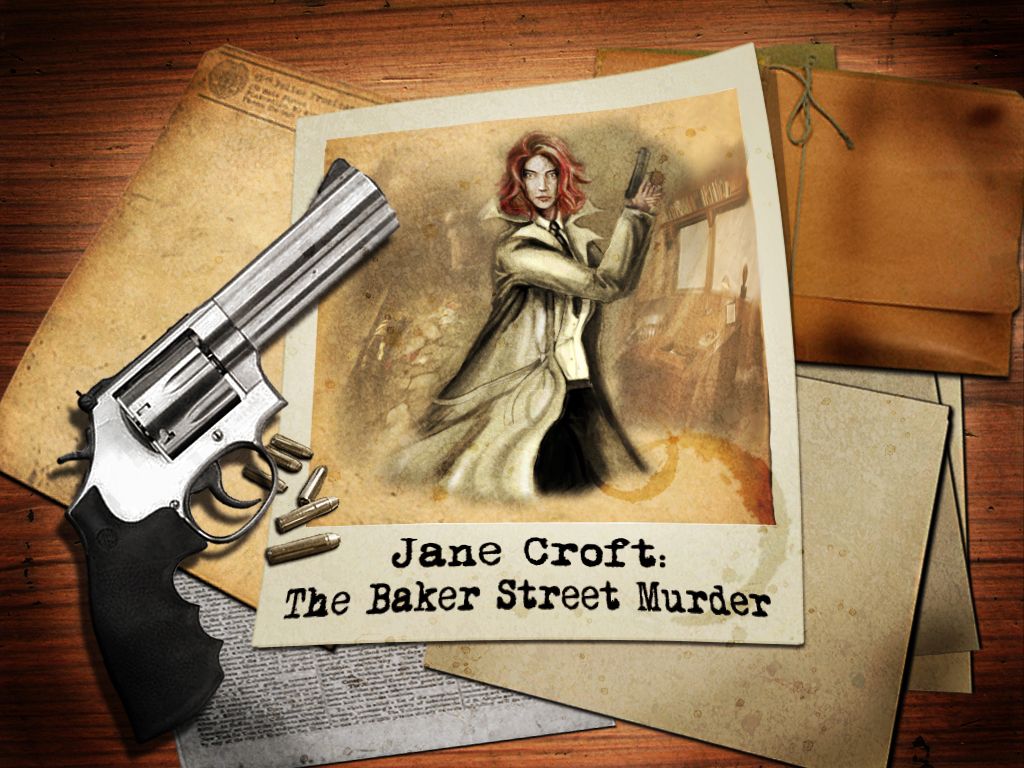
The opening has a clean, dependable hidden-object pull: a murder needs solving, Jane is working without her usual support, and each new scene pushes the case forward. You move through a linear sequence of hidden-object searches with mini-games in between, so it is easy to settle into a rhythm. There is no need to worry about getting lost in a large investigation or managing a complicated inventory of leads.
That clarity is also the game’s biggest limitation. Jane Croft uses the language of an adventure mystery, but it does not give you much room to be a detective. The suspect interviews are non-interactive story slides, and there are very few adventure elements around the searches. If you came hoping to question people, compare clues, and make deductions yourself, the case can feel more like a guided tour than an investigation.
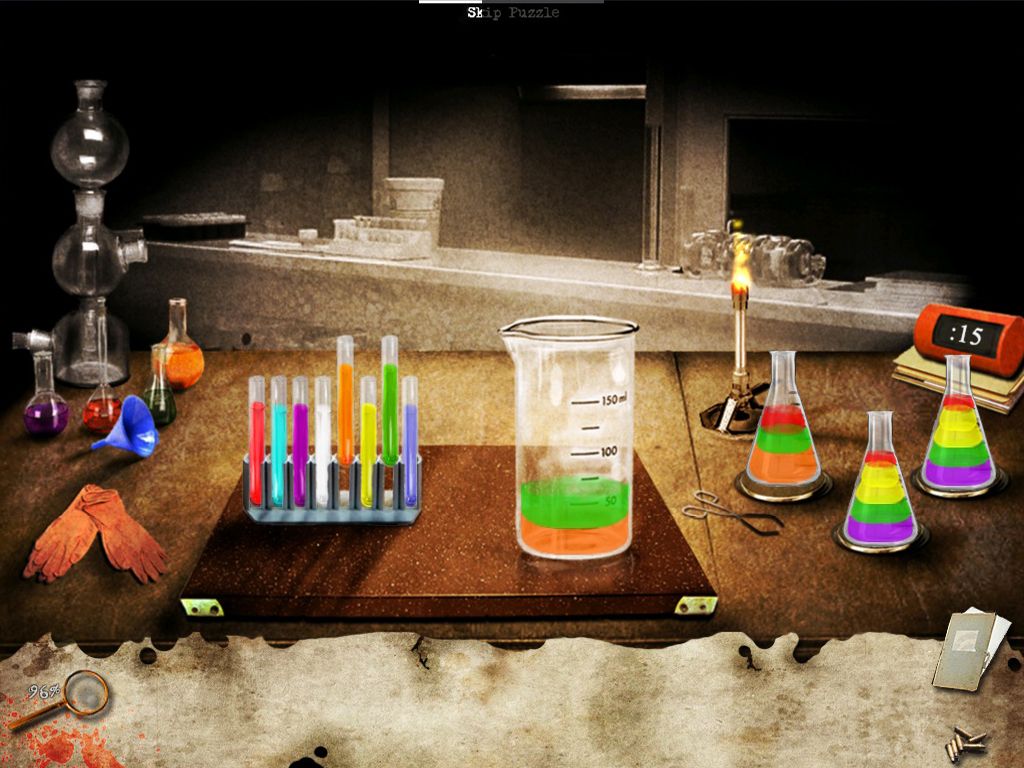
For a hidden-object fan, that may be exactly the point. The game keeps changing the immediate task with mini-games instead of asking you to do one kind of search forever, and its fixed, linear structure makes it a sensible pick when you want something low-pressure. The bonus shootout gallery is a curious late reward: faster and more arcade-like than the rest of the game, but memorable because beating it unlocks more of the mystery.
Graphics
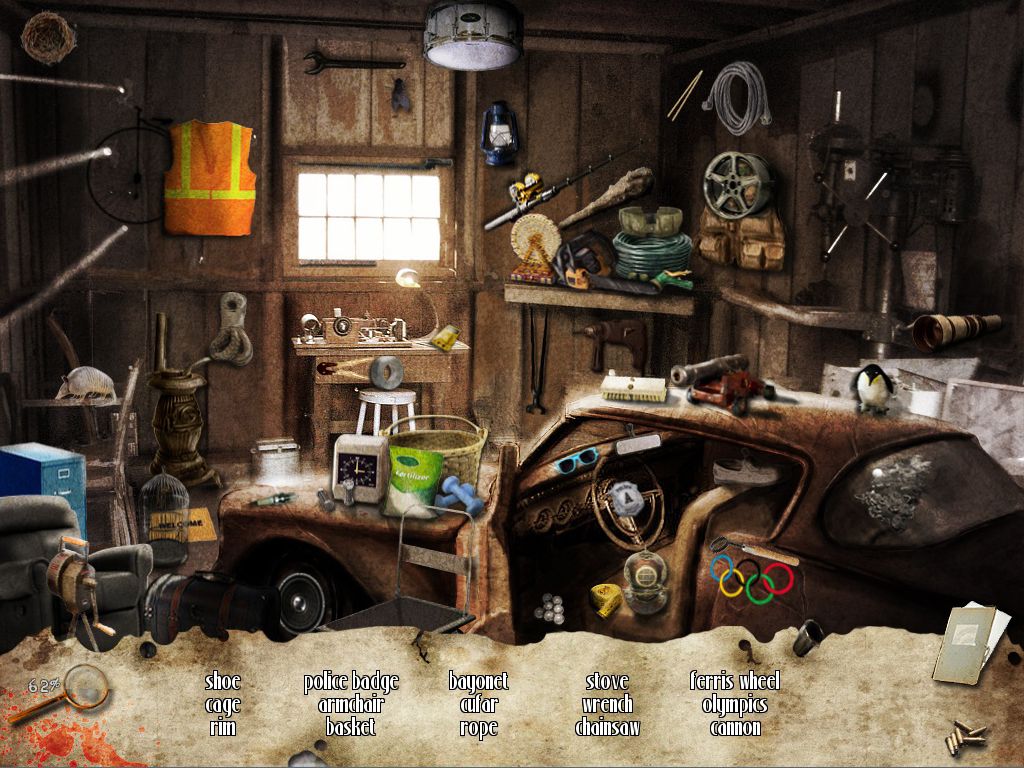
The game is built around first-person, fixed or flip-screen hidden-object scenes, keeping your attention on each location one screen at a time. Its visual work is functional rather than expansive: you inspect scenes for the items that advance the next step of Jane’s case.
Story
There is more tension in the setup than the game’s simple structure initially suggests. Jane begins with a local millionaire’s murder, while the death of her former partner six months earlier hangs over everything. Her new partner’s disappearance turns the case personal quickly, giving the familiar detective framework a useful undercurrent of isolation.
The story is delivered directly, often through the non-interactive interviews, so you are not shaping the investigation through conversation. That can make the dialogue-heavy portions feel passive, but it also keeps the plot moving. You are here to see what the next revelation says about Jane’s increasingly bad situation, not to test every possible line of inquiry.
The extra story attached to the bonus game gives the mystery its sharpest escalation. It points toward a police chief connected to a local mobster and ties that conspiracy to the attempted murder of Jane’s former partner. By the time Jane hears an APB naming her as a suspect in both partners’ murders, the case has shifted from a single killing to a much more dangerous frame-up.
Overall Experience
Jane Croft: The Baker Street Murder is an easy recommendation for someone who misses compact, story-led hidden-object games and does not need much adventure-game depth. Its strongest quality is momentum: a clear case, regular searches, puzzle interruptions, and a plot that keeps piling trouble onto its investigator.
Go in with the right expectation, though. This is not a detective game where your own questioning or deductions carry the day. Most of the mystery unfolds for you, and the linear route leaves little room for experimentation. The frustration sets in if you keep waiting for the suspect interviews to become playable detective work; they do not.
Still, the payoff is worthwhile for its intended audience. The final bonus content does more than add a side distraction, since it expands the stakes around Jane’s former partner and turns the police into part of the threat. It is a modest, focused mystery that works best as a few relaxed sessions of searching and puzzling, with a surprisingly grim little cliffhanger at the end.


Reviews
There are no reviews yet.