 Retro Replay Retro Gaming History, Reviews & Emulation
Game Overview
Gameplay
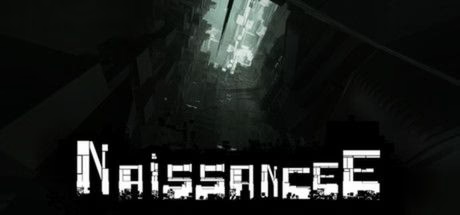
NaissanceE starts by putting you in a space that feels too large and too strange to trust. Moving forward sounds simple, but it quickly becomes a test of whether you can read abstract architecture without a reliable sense of direction. Corridors can mislead you, some passages feel endless, and the route ahead often hides in plain sight. That confusion is not a side effect. It is the game’s main source of tension.
Platforming gives that exploration real stakes. You need to judge gaps while trying to make sense of harsh, unfamiliar rooms, so a missed jump can feel especially irritating when you already doubt whether you are headed the right way. Long sprints add another pressure point: clicking in the proper rhythm keeps Lucy supplied with air, while poor timing damages sight and slows movement. It is an intentionally uncomfortable idea, and it can make a bad run feel worse, but it also keeps movement from becoming mindless.
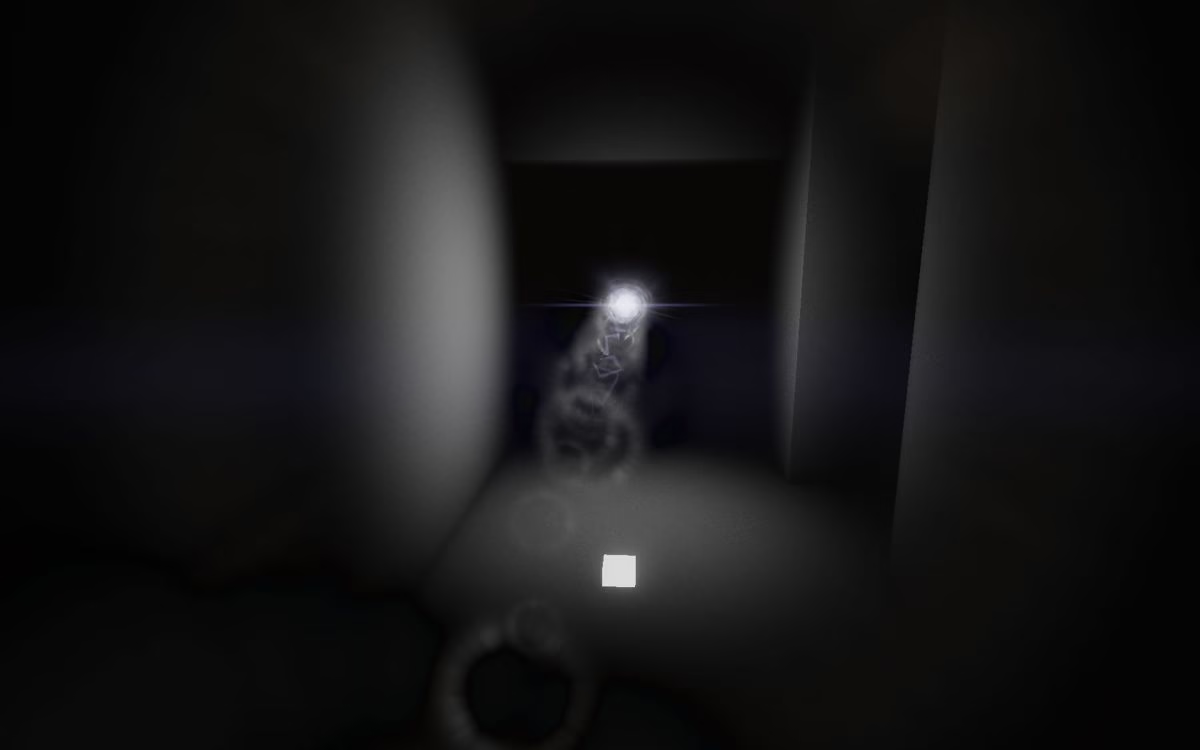
The light-based puzzles are where the game becomes more than a forbidding walk through a maze. By touching light spheres, you can shift obstacles or make walls passable, turning illumination into a practical tool for opening a route. These puzzles fit the world because they ask you to reconsider the shape of the room rather than hunt for a conventional switch. You should give NaissanceE a chance if being disoriented sounds intriguing rather than exhausting, and if you can accept that progress may come through stubborn observation.
Graphics
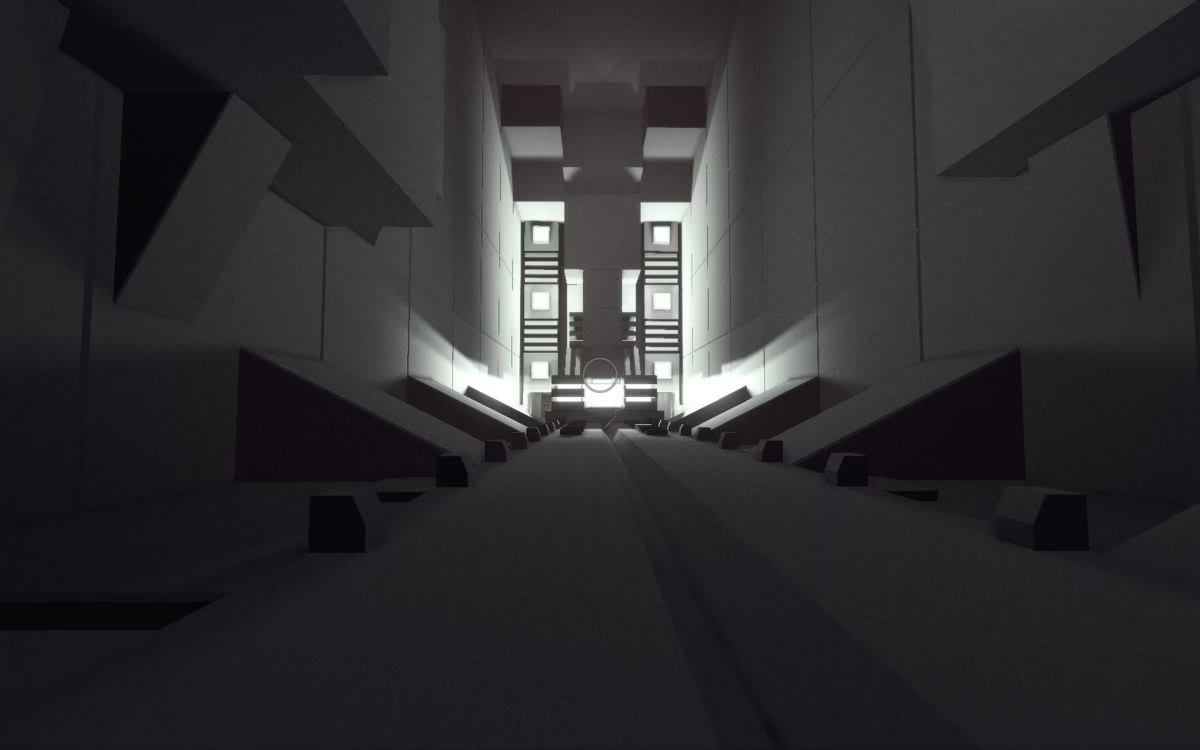
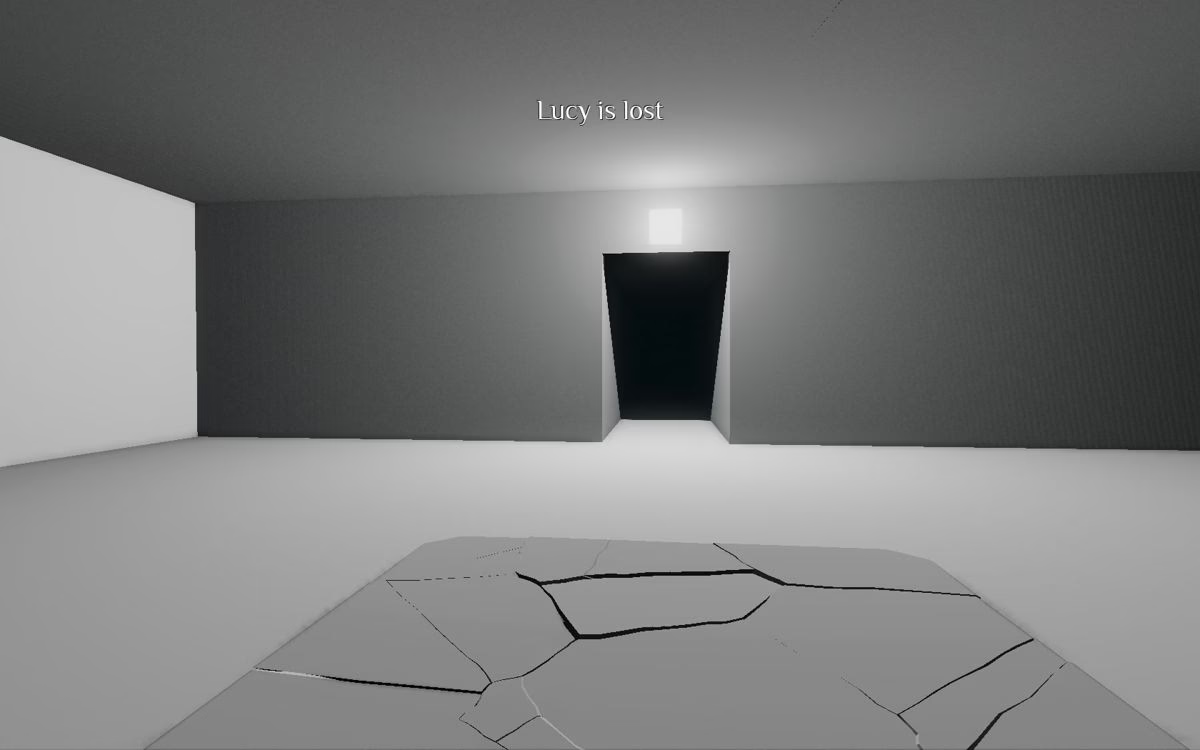
Gameplay is built from mostly monochrome, abstract spaces with sharp silhouettes and extreme contrast. A gray chamber with a cracked floor, a deep black doorway, and a small bright square overhead can look like a clue, a destination, or a threat depending on where you stand. Other spaces nearly disappear into white glare, leaving dark angular structures to cut through the brightness.
That stripped-back look makes each opening and obstruction feel more dramatic. The architecture has an Escher-like hostility to it, always suggesting that scale and direction might be lying to you.

Story
“Lucy is lost” is the opening statement, and NaissanceE is disciplined enough to let that simple fact carry the experience. You are alone, moving through an environment that offers no comforting social context and no easy explanation for what surrounds you.
Because the game keeps its focus on passage, distance, and survival, the story lands less as a chain of plot turns than as a feeling of isolation. Every wrong corridor reinforces Lucy’s situation. Every newly opened way forward feels like a small refusal to stay lost.
This minimal approach will either draw you in or leave you cold. If you want characters, conversation, and a heavily spelled-out mystery, NaissanceE has little interest in meeting you there. If you like games that let a place carry the emotional weight, its silence gives the journey a memorable unease.

Overall Experience
NaissanceE is compelling because it commits to making uncertainty the point. Its spaces are not merely backdrops for platforming and puzzles. They are the thing you are fighting to understand, and that makes even ordinary forward movement feel charged.
That same commitment creates the game’s biggest frustrations. False routes, difficult jumps, and the breathing rhythm during extended sprints can turn confusion into friction, particularly when you are already trying to orient yourself. This is not a game that smooths over its rough edges for the sake of momentum.
Still, the payoff is real for the right kind of player. NaissanceE turns a simple goal, keep moving, into a surreal test of attention and nerve. It is a strong recommendation for patient fans of first-person puzzle-platformers who want to feel genuinely lost for a while, and a weaker fit if you need clear direction or constant narrative rewards.


Reviews
There are no reviews yet.