 Retro Replay Retro Gaming History, Reviews & Emulation


Retro Replay Review
Gameplay
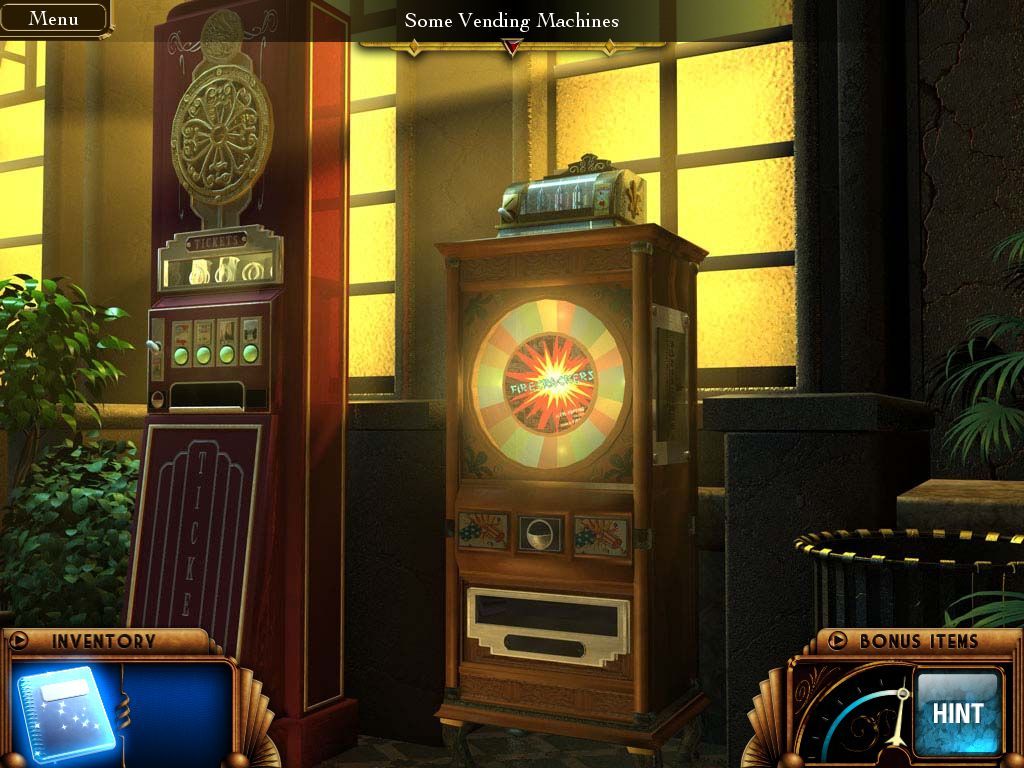
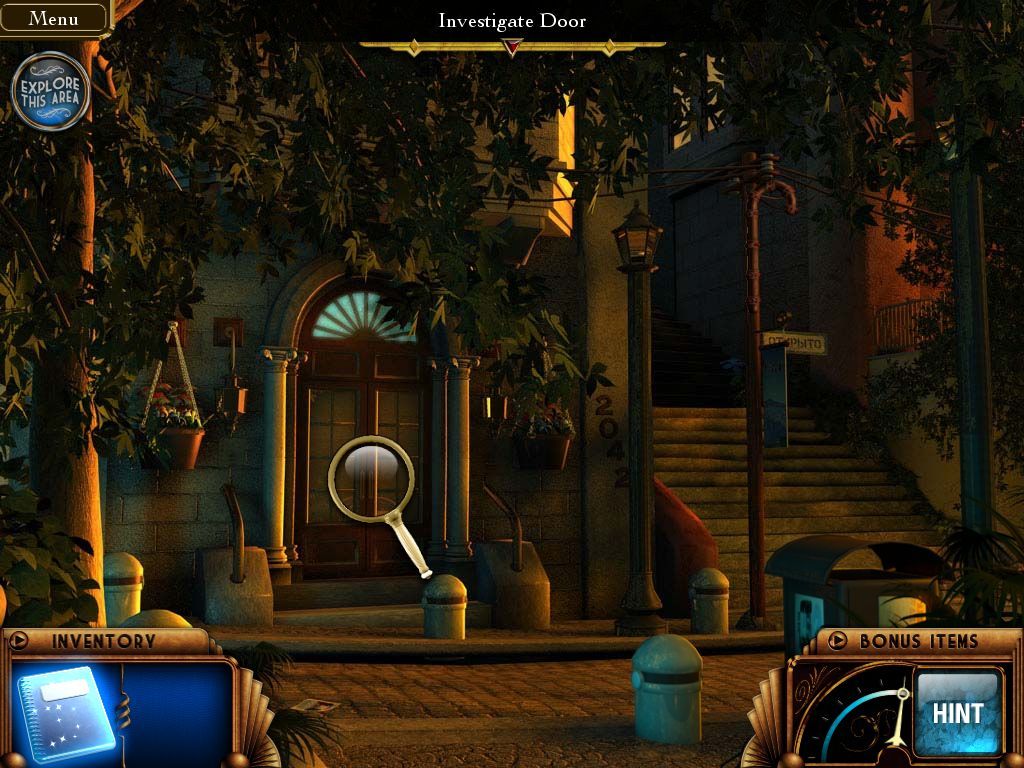
The first stretch understands how to keep you moving. You arrive with a clear purpose, locations fill up with obvious points of interest, and the usual adventure-game loop quickly takes hold: inspect the scenery, collect what you can, then work out which inventory item belongs on which obstacle. It is straightforward rather than ingenious, but that directness suits a game intended for a relaxed evening of puzzle solving.
Expect the bulk of your time to go into gathering objects and opening up the next task. Items sit in an inventory along the left side of the screen, and you drag them onto interactive parts of each location. This can be satisfying when an odd tool finally has an obvious use, though the structure rarely sounds as if it asks you to make big logical leaps. It is more about patiently exhausting the options in front of you than feeling like a brilliant detective.
Hidden-object scenes are the main interruption and the main source of potential irritation. They ask you to pick listed items out of crowded scenery, with a rechargeable hint available when you are stuck. That is forgiving enough for casual play, but it also means progress can occasionally turn into pixel-hunting rather than problem-solving. The separate mini-games offer more variety: tracing a rug’s winding lines, arranging tiles, fitting scroll pieces, removing fuses in sequence, and navigating a labyrinth. Their steady rotation keeps the formula from becoming completely monotonous, even if none changes the game’s basic rhythm.
Graphics
The most concrete visual impression comes from the hidden-object screens, where assorted paraphernalia is scattered densely around the scenery for you to search. Their clutter is purposeful—finding the listed objects is the point—but it can make the tiniest targets easy to miss. Elsewhere, the game uses separate close-up screens for its mechanisms, rugs, tile grids, scroll fragments, circuits, and labyrinth challenges.
Story
Epiphany O’Day is handed a strong reason to leave home: her research into the Dragon Wheel of Shaanxi gets her ridiculed by colleagues and stripped of her Paris teaching post. That rejection gives the opening more bite than a simple treasure hunt. You are not merely sent after an artifact; you are following a young archaeologist with something to prove.
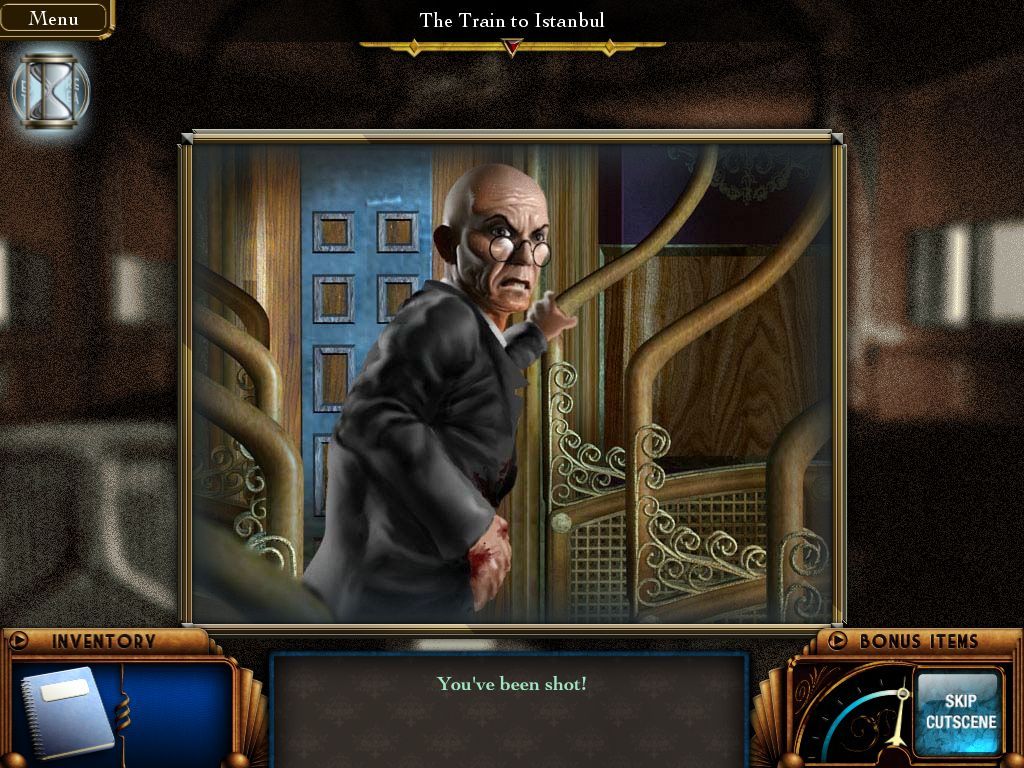
The invitation from an old acquaintance in Istanbul gives the journey a neat direction, while the train ride and its bizarre accidents start widening the mystery. It is a classic adventure setup—ancient China, a mystical device, a professor’s request, and trouble on the way east—but classic is not a criticism when the game keeps feeding you another question to chase.
Do not come expecting the story to carry the experience by itself. The plot functions largely as a reason to move Epiphany from one puzzle-filled situation to another, and the real payoff depends on whether that mystery keeps you curious through the hidden-object work. Still, the early-20th-century archaeological frame is a better fit for this kind of leisurely globe-trotting puzzle adventure than a generic modern-day scavenger hunt would have been.
Overall Experience
This is an easy game to recommend with a qualifier. If you already enjoy casual hidden-object adventures, Secrets of the Dragon Wheel knows the assignment: a pulpy artifact mystery, a clear chain of tasks, a hint system for the inevitable missed object, and enough mini-game variation to break up the searches. It does not demand that you relearn adventure-game logic or endure long stretches without progress.
The trade-off is that its puzzle solving can feel prescribed. You will often be collecting the required items, using them in the available locations, and moving on, rather than testing unusual ideas or untangling a deeply layered investigation. When the object hunts hit at the wrong moment, the pace can sag. Use hints freely instead of letting one stubborn bit of scenery turn a pleasant mystery into a chore.
For the right mood, the payoff is worthwhile: settle in, follow Epiphany’s trail from academic disgrace toward a stranger international mystery, and let the game lead you through its sequence of searches and small challenges. It is not a bold reinvention of point-and-click adventures, but it is a competent, approachable example of the casual format. Give it a chance if you want a low-pressure archaeological whodunit and do not mind that the route to each answer is usually clearly laid out.


Reviews
There are no reviews yet.