 Retro Replay Retro Gaming History, Reviews & Emulation
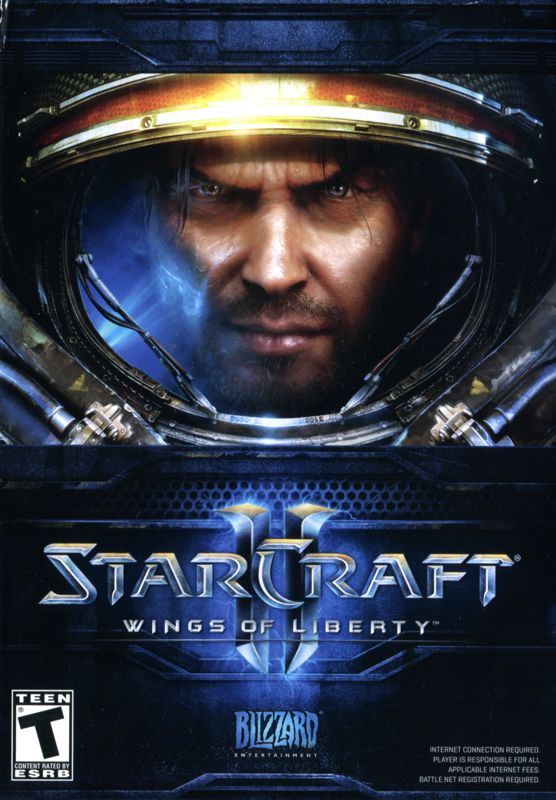


Retro Replay Review
Gameplay
The first few hours make a strong case for why real-time strategy works best when the mission design refuses to sit still. You will still do the classic RTS work—gather the two resources, establish production, expand your army, and identify counters—but Wings of Liberty rarely lets that routine become sleepy. Missions change their objectives, enemy pressure, and practical demands often enough that building the same comfortable force every time is a recipe for a rougher fight.
Terran units are the campaign’s main toolbox, and the Hyperion makes that toolbox feel personal. Credits earned during missions feed the Armory, where units and some buildings can receive two upgrades apiece. That means a simple choice such as improving Marines with stimpack has a real tactical cost and benefit: more short-term damage, but lost health. The Laboratory works similarly, turning bonus objectives into Zerg and Protoss research and eventually forcing choices between two useful rewards. You cannot take everything, so the campaign encourages you to commit to the kind of army and economy you actually enjoy running.
That progression is what keeps 29 missions from feeling like a long tutorial for multiplayer. Choosing from available assignments, replaying old missions on tougher difficulties, and revisiting branches gives the campaign a welcome sense of ownership. The handful of Protoss missions led by Zeratul are also a smart change of pace, shifting the controlled race without abandoning the larger war.
Multiplayer is much less forgiving and much more specialized. The three races remain built around counterplay, but the unit lineup differs from the campaign, so you should not assume a favorite single-player solution transfers directly. The challenge missions are worth your time before you enter ranked play; they teach the practical questions that decide matches, including which units counter others and how to survive an early Zerg rush. Placement rounds and five leagues give competitive games a sensible runway, while custom matches, bots, and several match types leave room to learn without immediately treating every game as a test of pride.

Graphics
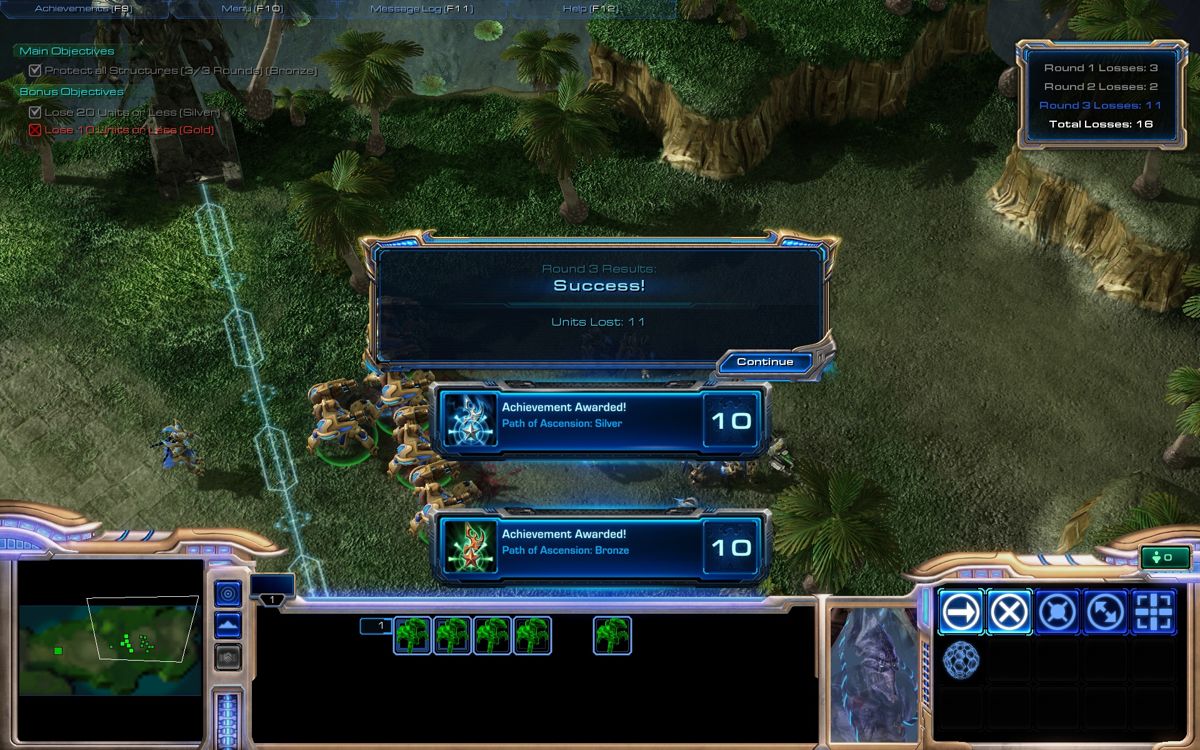
The battlefield uses a diagonal-down, freely controlled strategy view, keeping large groups and bases in view while you manage several units at once. Rendered sequences break up the campaign, and the game also lets you replay both those scenes and in-game cutscenes from the Hyperion.

Story
This is a grittier return to the Koprulu Sector than a clean heroic reset. The Overmind is gone, but Tarsonis and Aiur lie in ruins, Kerrigan remains at large, and Arcturus Mengsk’s Dominion has become its own menace. Four years after Brood War, Jim Raynor begins as a man trying to drink away old wounds while backing rebels on Mar Sara. It is an immediately effective place to find him: worn down, angry, and still unable to let Kerrigan go.
Tychus Findley’s arrival gives the plot its forward momentum. His proposed deal drags Raynor into a wider conflict just as the Zerg overrun Backwater Station and threaten Terran systems. The campaign’s most compelling dramatic thread is Raynor’s search for Kerrigan, because it gives the galactic war a personal center rather than reducing every mission to another battle for territory.
The branching structure helps, too. Picking from several available assignments and returning to old missions to see different consequences gives the plot more texture than a rigid march from briefing to briefing. Zeratul’s Protoss sections widen the perspective at useful moments, reminding you that Raynor’s struggle is part of a conflict much larger than one rebel crew and one Dominion regime.
Overall Experience
Wings of Liberty earns its reputation because it understands that a campaign should be more than multiplayer practice with dialogue in between. Its core RTS systems are approachable, but mission variety, army upgrades, research choices, mercenary hiring, and optional objectives keep asking you to make decisions that matter. When a mission gets frustrating, there is usually a productive response available: reconsider your unit mix, spend credits differently, pursue a different research path, or replay the fight with a clearer plan.
The Hyperion is an especially good campaign hub because it makes breaks between battles feel useful rather than dead air. You choose jobs from the bridge, improve forces in the Armory and Laboratory, hire mercenaries in the Cantina, check trophies and news, or even step away for a round of the included vertical shooter, The Lost Viking. None of that replaces the strategy game, but it gives the campaign a rhythm that makes its long run easier to stay invested in.
Give it a chance if you want a substantial sci-fi RTS that respects both tactical problem-solving and a larger narrative. Newcomers should begin with the challenges before testing multiplayer, while campaign-focused players can happily stay on the Hyperion and explore mission branches at their own pace. The competitive side can be punishing, but the single-player campaign delivers enough variety, progression, and character-driven momentum to be worthwhile on its own.


Reviews
There are no reviews yet.