 Retro Replay Retro Gaming History, Reviews & Emulation



Retro Replay Review
Gameplay
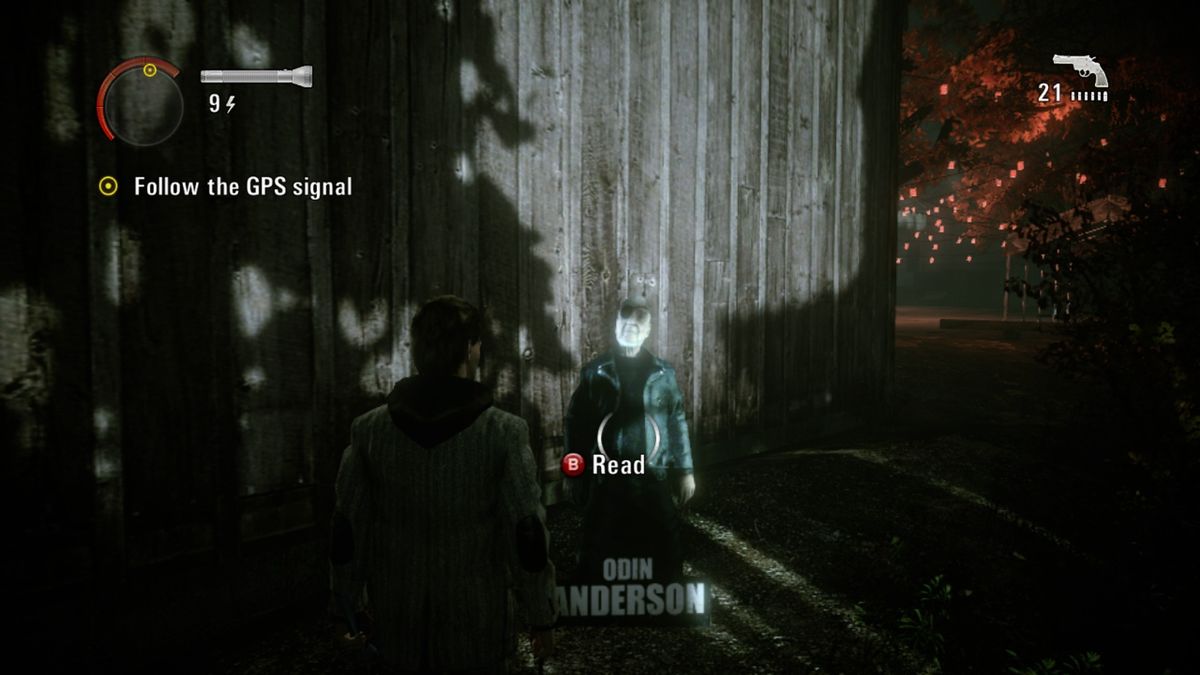
The first few minutes put you back into Alan Wake’s familiar pressure cooker: darkness closes in, ammunition is scarce, and your flashlight is as important as any gun. That basic rhythm still works because it makes every encounter feel like a small scramble for space. You are not simply shooting at enemies; you are first trying to expose them to the beam, then deciding whether a few precious rounds are worth spending.
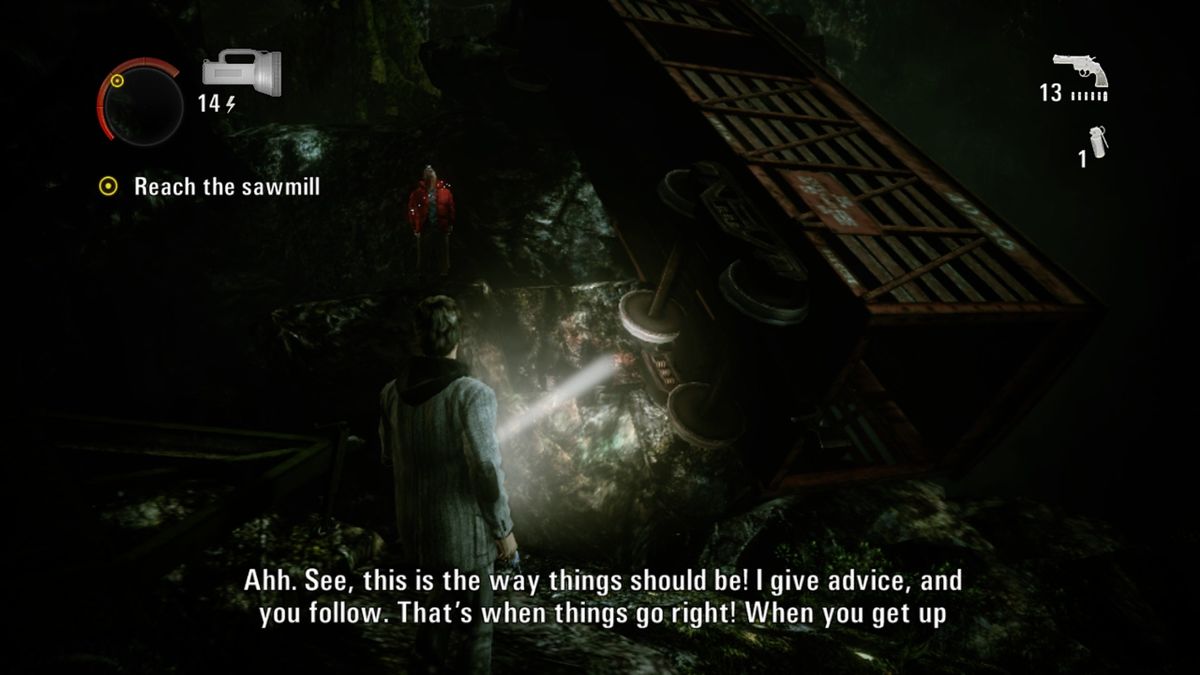
The Signal’s best addition is the ability to bounce your flashlight off mirrors and certain objects. This gives light a more active role than the usual point-and-flash routine. Lining up a reflection can extend the beam and strengthen it, while timed reflected light can trigger explosions. When a horde is pressing in, finding the right angle feels like an answer you earned rather than a convenient combat gimmick.
That said, this is still very much Alan Wake rather than a dramatic mechanical overhaul. If the original’s deliberately limited ammunition and repeated light-then-shoot encounters wore you down, this episode will not convert you. If that tension was the reason you kept playing, the reflected-light ideas add just enough variation to make the return trip feel sharper.

Graphics
Bright Falls remains an eerie dark-world backdrop, with the flashlight beam doing much of the visual work as it cuts through hostile spaces and picks out mirrors or objects that can redirect light. The contrast between Alan’s small pool of illumination and the surrounding darkness keeps enemy pressure easy to understand at a glance.
Story
This chapter begins after Season One, with Alan trapped in Bright Falls’ dark world and increasingly under the darkness’s control. Its central instruction is blunt and appropriately ominous: follow the signal. That simple goal gives the episode a forward pull even as its setting grows more surreal.
The strongest story idea is that Alan’s own words have become tangible things in the world. They can turn into useful items and tools during dangerous moments, tying his writer’s perspective directly to survival without abandoning the series’ uneasy, reality-slipping tone. It is a clever way to make the story’s instability matter while you play.
Expect continuation, not closure. The Signal works best when you treat it as another chapter in Alan’s worsening struggle rather than a detached side story. Its escalating sense that he is losing his grip gives the episode a more anxious edge than a routine post-game mission pack.
Overall Experience
Alan Wake: The Signal is worth your time if you reached the end of the main game still invested in Alan’s predicament. It preserves the survival-horror thriller formula that made Season One compelling, then finds a smart, limited way to make the flashlight more versatile. The result is familiar, but not lazy.
Frustration can set in when the familiar constraints start to feel restrictive: you will still be watching your ammunition, still relying on light before weapons can finish the job, and still operating in a world designed to keep you unsettled. The episode asks you to embrace that pressure rather than escape it.
For returning fans, the payoff is the chance to spend more time inside Alan Wake’s strangest ideas. The Signal is not a fresh starting point for newcomers; play the original first so its continuation and mounting insanity have the weight they need. As an extra chapter, it earns its place with tense combat, useful new light tricks, and a properly disorienting descent.


Reviews
There are no reviews yet.