 Retro Replay Retro Gaming History, Reviews & Emulation
Retro Replay Review
Gameplay
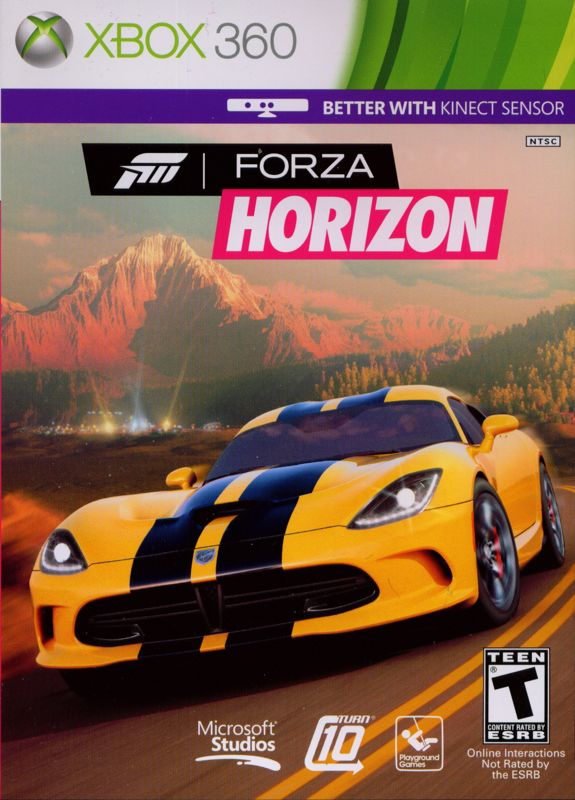
The best thing about Forza Horizon is how quickly it stops asking permission. You begin with a race to enter the Horizon Festival, but soon the Colorado map is yours to roam. Pick a destination from the map, follow the GPS, and you will probably find a reason to get distracted before you arrive. A rival can be challenged to an impromptu sprint, a speed trap can tempt you into one more pass, and a dirt route may look faster than the road. That constant invitation to wander is the game’s real hook.
It lands in a satisfying middle ground between simulation-minded handling and arcade freedom. Cars retain the sense of weight and variety expected from Forza, while traffic collisions are forgiving enough that a messy run does not ruin your evening. You can tear through fields, smash through barriers, race off-road, and use rewind after a costly mistake. Rewind is especially welcome during tight events: it keeps a small error from becoming a restart, without removing the need to drive cleanly for a good time.
Progression has a strong rhythm because winning races is only part of the work. Drifts, jumps, near misses, passes, burnouts, drafting, and other aggressive driving acts build skill combos and street cred, which in turn help unlock more events. It gives even a casual cross-map drive a purpose. The wristband tiers make the climb from 250th competitor easy to understand, while the event list stays varied with circuits, point-to-point races, rally tracks, street races, skill challenges, and over-the-top showdowns against aircraft.
You can tune the challenge to your patience. Driving assists, difficulty, shifting, the driving line, traction control, braking, steering, and cosmetic damage can all be adjusted, with greater credit rewards for turning assistance off. Upgrades can be automatic or manual, and the game warns you before entering an event underpowered. That flexibility makes it friendly to a newcomer without flattening the experience for someone who wants to earn cleaner wins. Barn finds, discount signs, outpost stunts, and the Rivals ghost system add useful reasons to revisit roads you thought you knew.
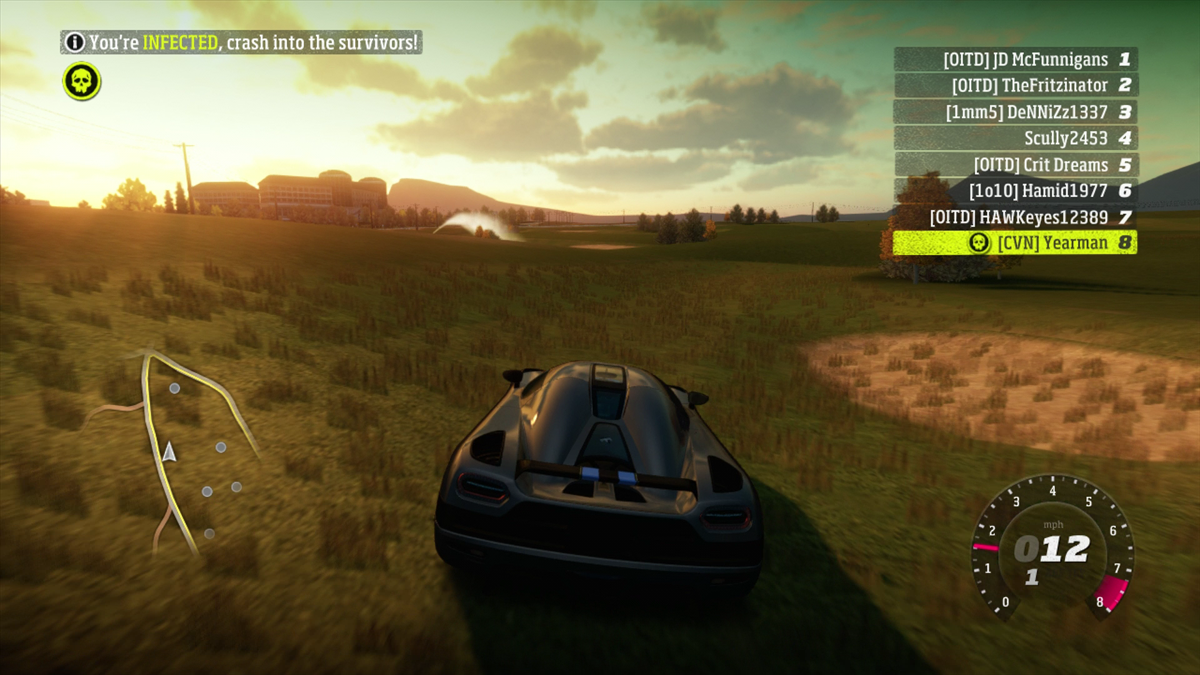
Multiplayer understands that driving around is often more entertaining when everyone has a silly objective. Regular races sit beside King, Infected, cooperative free-roam challenges, and Cat and Mouse, where a team’s designated mouse must reach the finish while opposing cats try to stop it. Not every unlock being available offline is an irritating restriction, and purchasable tokens that speed up progression or bypass credit costs are an unwelcome commercial wrinkle. Fortunately, the core game is generous enough with activities that paying to hurry feels unnecessary rather than essential.
Graphics
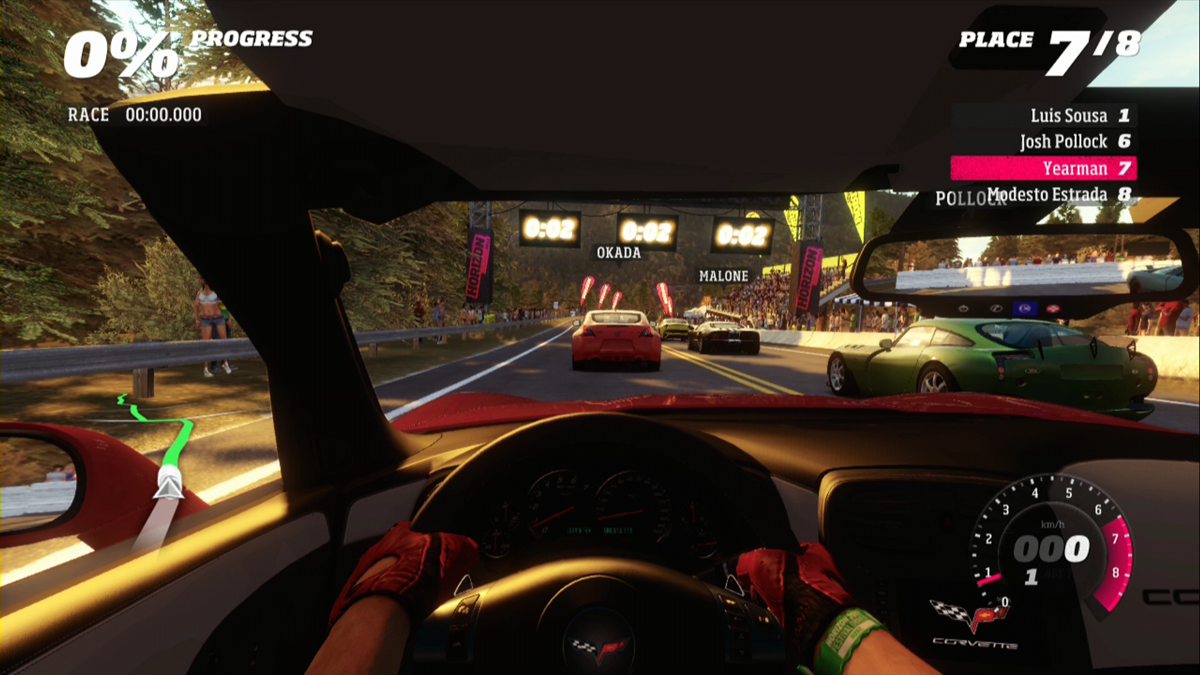
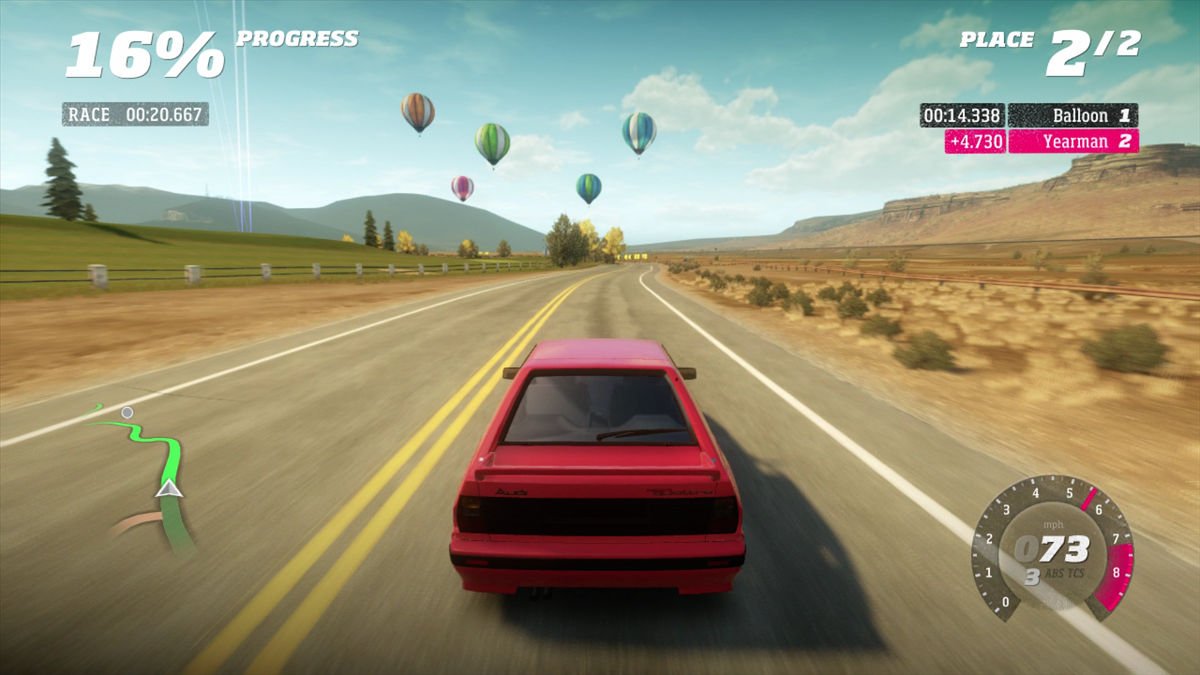
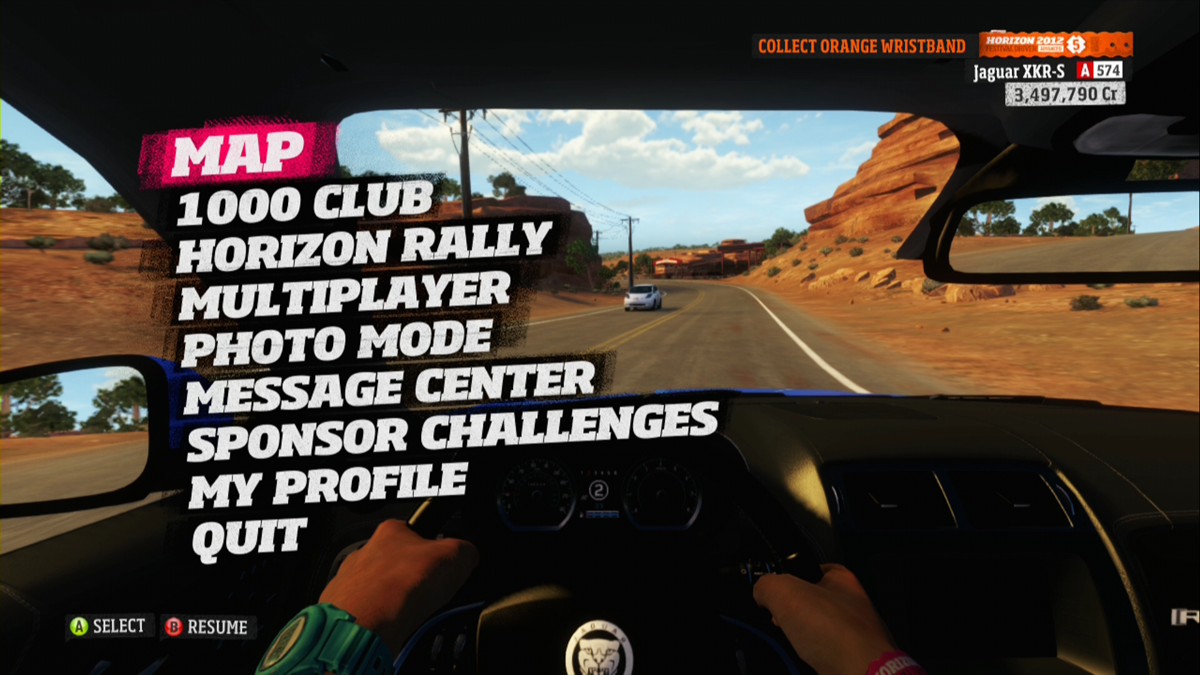
Colorado is built for aimless drives: paved roads lead into dirt tracks and open fields, while the Horizon Festival serves as a busy central hub surrounded by spectators and competitors. The day-and-night cycle gives those routes a changing backdrop, and the behind-the-car and first-person viewpoints let you choose between watching the road unfold and driving from inside the vehicle.
On the map and in motion, the game makes its points of interest easy to chase. Festival outposts, races, stunt challenges, and hidden-car searches fit naturally into a world that encourages you to leave the marked route whenever a shortcut looks promising.
Story
Do not come to Forza Horizon expecting a detailed racing drama. Its story is a light framework about arriving at the fictional Horizon Festival ranked last among 250 competitors, gaining popularity, and climbing through wristband tiers. It is enough to give victories a direction, but it wisely spends more energy on getting you back behind the wheel than on demanding attention between races.
The festival atmosphere does much of the narrative work. Announcers, radio DJs across three stations, spectators, sponsor challenges, and rivals throwing one-liners make the climb feel public and competitive. The tone is knowingly loose: you are not saving a championship from collapse; you are trying to become the name everyone at this enormous car party remembers.
That light touch suits the open world. Because the central goal is fame and progression rather than a complicated plot, it never feels strange to abandon the next formal event for a barn-find search or an unscheduled rival sprint. For release and development background, the game’s Forza Horizon history is useful context, but in play its story is primarily an excuse to keep the roads busy.
Overall Experience
Forza Horizon succeeds because it turns a broad range of driving activities into one coherent road-trip mood. You can chase leaderboard ghosts with the Rivals system, grind out a difficult speed record, tune a modest car into a more capable machine, or simply drive to the next marker and see what interrupts you. The festival is a hub, but the open road is where the game feels most alive.
Its compromises are clear. The campaign’s narrative stakes are slight, some progression items are tied to multiplayer, and tokens are a needless invitation to spend money instead of credits. There is also a little repetition in repeatedly collecting popularity through familiar skill actions. Yet the game usually understands when repetition is fun: a drift combo, a last-second pass, or a reckless shortcut can turn routine travel into a story you made for yourself.
If you want a severe racing simulation, the lenient crashes and rewind may feel too accommodating. If you want a pure arcade racer with no concern for car behavior, its Forza roots may ask more precision than you expect. But if you like the space between those extremes—responsive cars, adjustable difficulty, a map worth crossing, and a career that rewards curiosity—this is a remarkably confident first Horizon. The payoff is not one big finale; it is the accumulating pleasure of always having another road, event, rival, or stunt worth trying.


Reviews
There are no reviews yet.