 Retro Replay Retro Gaming History, Reviews & Emulation
Retro Replay Review
Gameplay
The first minute of Yaruhara no Omochi tells you nearly everything you need to know, and that is part of its straightforward charm. Items appear at the top of the screen; you either throw them away or add them to your pile. Place three items and you score a point, then move on to the next mochi.
The only real push toward careful play comes from the bonus points for assembling the correct set of parts. You can freely discard anything, and wrong combinations do not cost you anything. That makes the game unusually relaxed: you can experiment, make careless choices, or simply keep the pile moving without fear of losing a run.
It also means the game has limited bite. Once you understand the three-item loop, there is no punishment to sharpen your decisions and no endpoint beyond the moment you choose to stop. If you want a demanding puzzle challenge, the lack of consequences will likely drain the tension fast. If you want an uncomplicated, meditative scoring distraction, its refusal to scold you is exactly the point.
Graphics
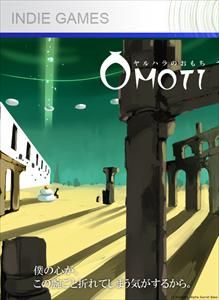
The view centers on a functional sorting setup, with incoming items at the top of the screen and the mochi pile below. That simple arrangement keeps your next decision clear and suits a game built around quick placement or rejection.
Story
There is no narrative thread pulling you through a campaign here. Your role is simply to assemble mochi, score points, and continue for as long as the loop remains satisfying.
That bare framing works for the game’s meditative intent. You are not asked to remember characters or chase plot turns; the small act of deciding what belongs in the pile is the whole focus.
For some, that will feel refreshingly uncluttered. For others, especially anyone who needs a sense of progression beyond a growing score, it leaves little to latch onto after the novelty of the food-assembly theme wears off.
Overall Experience
Yaruhara no Omochi is a modest mini-game with a clear mood: calm, forgiving, and happy to let you play at your own pace. The correct-set bonuses give you a reason to pay attention, while the absence of penalties ensures that every mistake remains trivial.
Its biggest strength is accessibility. You do not need to learn a dense rule set or survive a punishing streak before the game starts making sense. Sit down, sort the items, complete mochi, and leave whenever you have had enough.
The tradeoff is that it lacks the friction that gives many score-driven puzzle games their staying power. Give it a chance if a no-pressure Japanese food-sorting diversion sounds soothing; skip it if you need escalating challenge, meaningful risk, or a fuller game around the central idea.


Reviews
There are no reviews yet.