 Retro Replay Retro Gaming History, Reviews & Emulation
Retro Replay Review
Gameplay
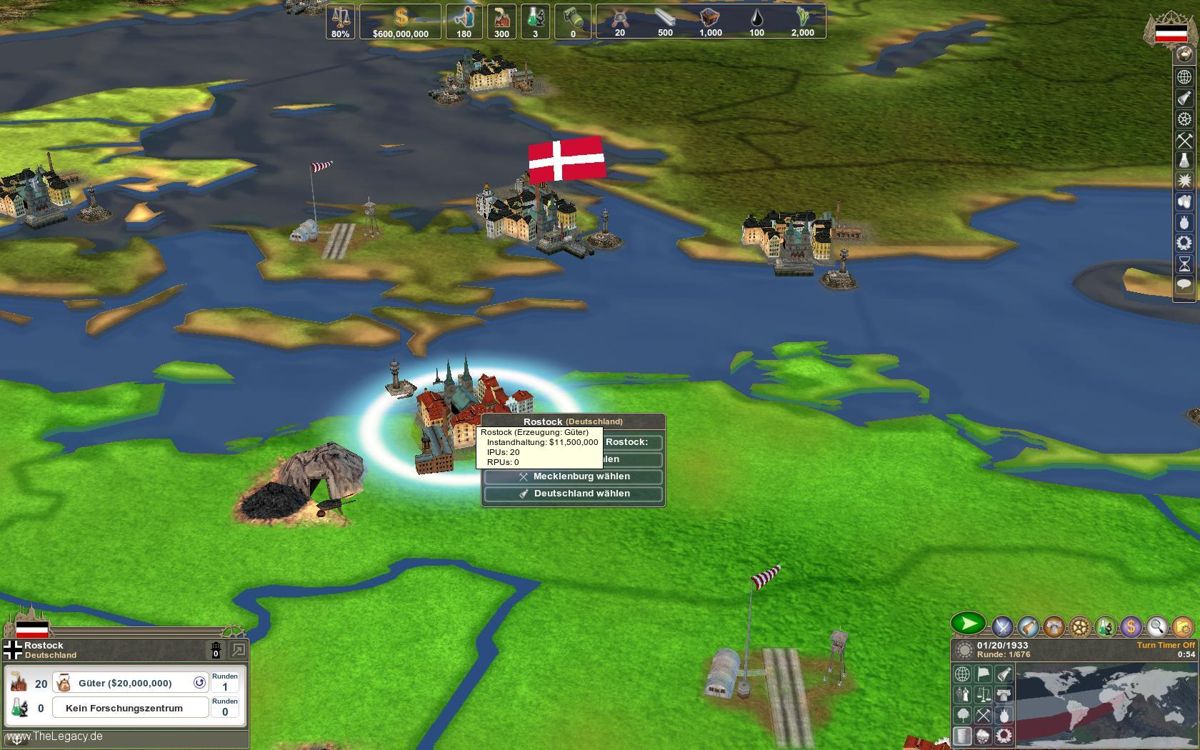
The first turns ask you to think like a government rather than a general. You are not just lining up armies; you are choosing where industrial production goes, directing research, and working through diplomacy while trying to shape a country’s place in a world at war. That broader responsibility is Making History II’s strongest hook. When your decisions begin to connect—production feeding military strength, diplomacy affecting your room to maneuver—the game has the slow, absorbing pull that grand strategy fans chase.
Its scope is unusually wide for a WWII game. Every country in the world is playable, with cultural, ethnic, and religious characteristics folded into the premise. That range makes it tempting to start again with a different nation simply to see how another position changes the political and economic puzzle. If you enjoy forming your own priorities instead of being pushed through a narrow campaign path, there is plenty to dig into here.
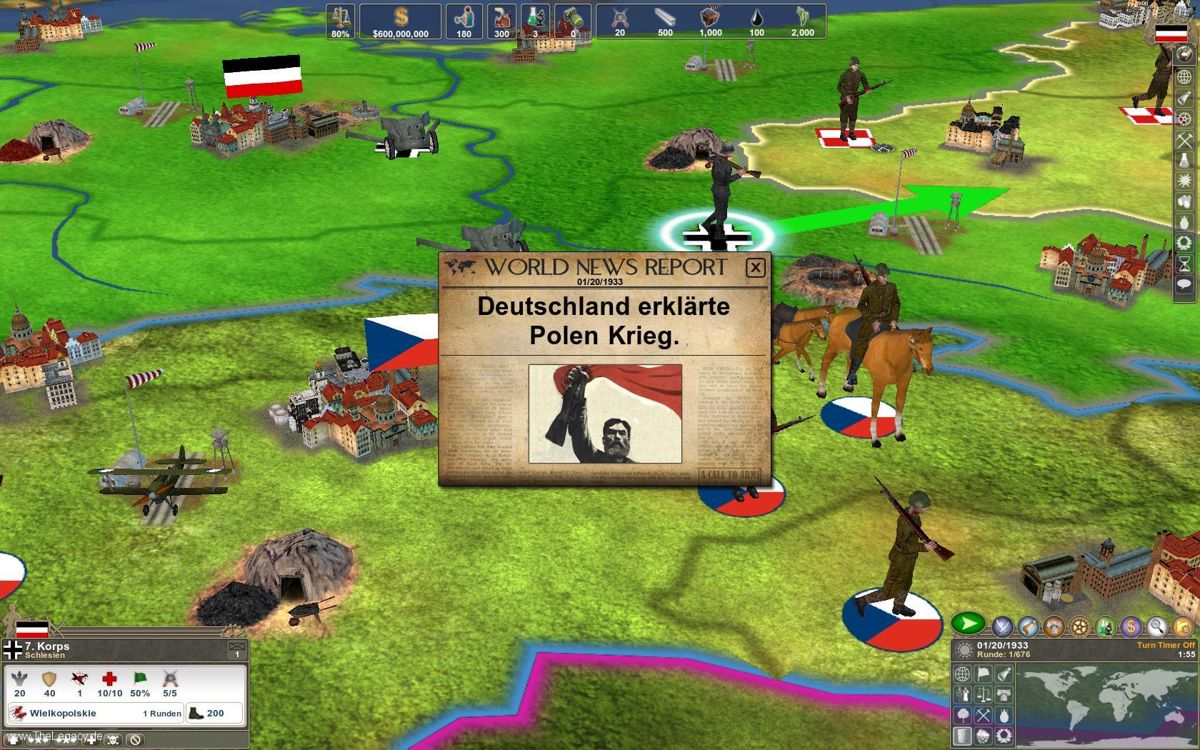
The battlefield side is much leaner. Battles compare the combined attack value of your units against an opponent’s combined defense, while geography has only a minor effect. This keeps wars moving, but it also means troop placement will not reward the kind of terrain-by-terrain calculation found in more tactical strategy games. Frustration can set in if you arrive expecting elaborate operational combat; here, the larger challenge is making the national machine behind your army work.
Graphics
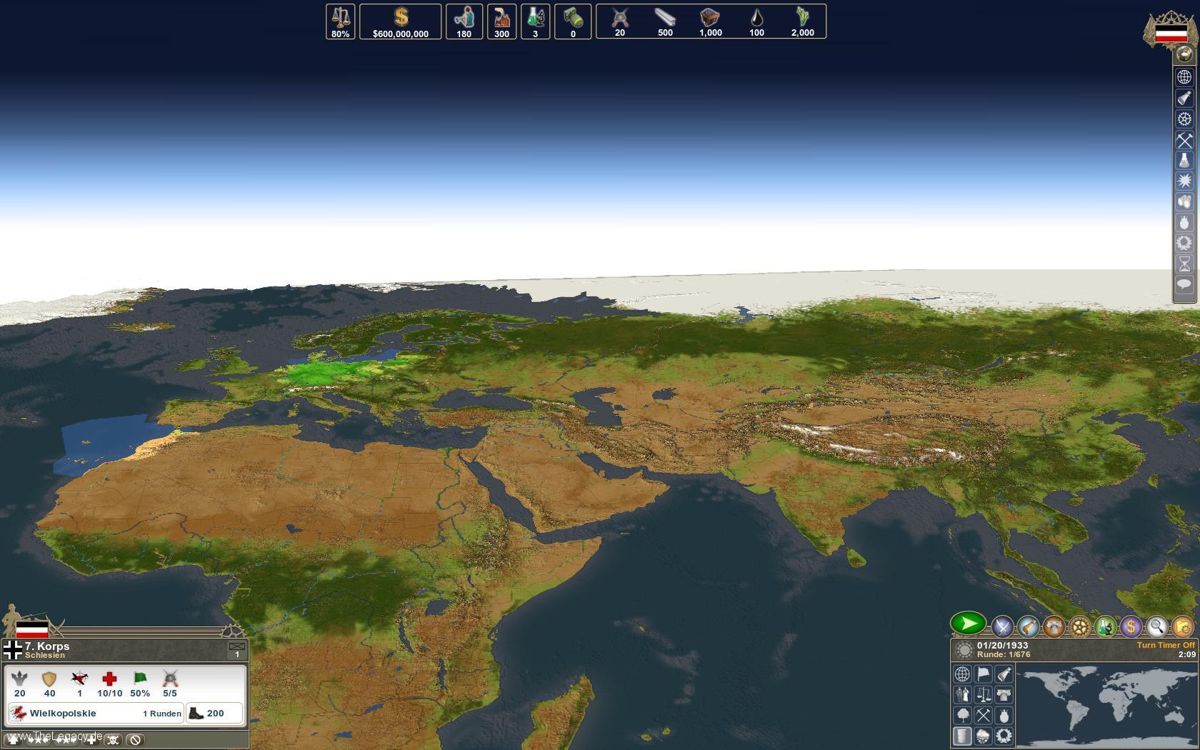
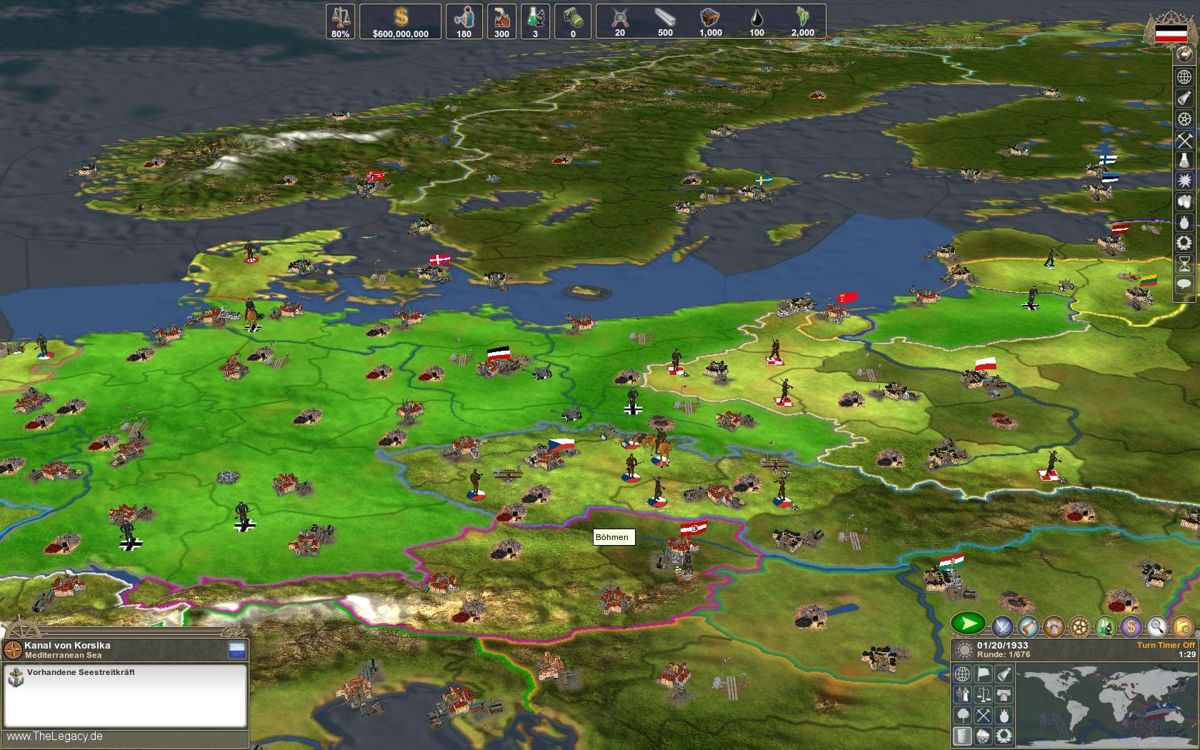
The diagonal-down map view and free camera give you a broad look at a world-sized conflict. Nation-specific units are the clearest visual flourish: certain countries use distinctive-looking replacements for ordinary unit types, adding a welcome bit of historical character to forces that might otherwise blur together.
Story
This is a World War II strategy game built around historical events and national management, not a tightly authored tale. The story you get comes from the country you choose and the decisions you make about production, research, diplomacy, and war.
That approach gives the game a useful sense of ownership. Taking charge of a major power can feel like directing a huge national effort, while selecting a smaller country puts more weight on careful priorities and political survival. The global roster makes the setting feel open rather than limited to a handful of familiar wartime viewpoints.
Do not come looking for a character-driven WWII drama. Making History II treats history as a strategic canvas: the payoff is in watching your chosen nation’s path emerge from your policies, not in following scripted personalities or set-piece plot turns.
Overall Experience
Making History II: The War of the World is most rewarding when you accept that its center of gravity lies in statecraft. Building an economy, setting research goals, and handling diplomacy make each turn feel consequential in a way that pure unit-pushing often does not. The game’s worldwide scale and playable-country range give that management a lot of replay value.
The trade-off is clear: combat lacks the same depth. Simple attack-versus-defense resolution and modest geographic influence make warfare easier to parse, but less satisfying for a gamer who wants every front and maneuver to carry rich tactical texture. You will get more from planning the war than from fighting any one battle.
Give it a chance if you want a WWII strategy game where factories, foreign relations, and long-term national choices share the spotlight with armies. Skip it if detailed battlefield simulation is non-negotiable. For the right kind of armchair statesman, its emphasis on the difficult work behind a war is the reason to play.


Reviews
There are no reviews yet.