 Retro Replay Retro Gaming History, Reviews & Emulation
Game Overview
Gameplay
Diablo IV feels good when you are in the middle of a crowded fight and your chosen class finally starts behaving like the build you had in mind. Combat is immediate and busy, built around chaining attacks, managing cooldowns, spending resources, and finding the right moment for stronger abilities. Basic enemies give you room to feel powerful, while elites and bosses demand more care with positioning and timing. That contrast keeps combat from becoming pure button-mashing.
Class choice matters enough to be more than a cosmetic starting decision. The Barbarian, Sorcerer, Rogue, Druid, and Necromancer each point you toward different weapons, abilities, and class-specific mechanics, so there is a real reason to try more than one character. Leveling feeds an expansive skill tree, and the constant flow of weapons, armor, and magical items encourages you to refine an idea rather than merely equip the largest number. When a new item strengthens the abilities you already enjoy using, the loot hunt is at its best.
That same depth can become exhausting. Inventory space is limited, gear comes with rarity tiers and special attributes, and you will repeatedly decide what to keep, replace, craft, trade, socket, or discard. Players who love action RPG optimization will recognize this as part of the reward. Everyone else may find that the game interrupts its strongest moments, namely fighting demons, with too many small decisions about equipment.
Sanctuary’s interconnected map gives you several ways to spend an evening: follow quests, roam into dungeons with randomized layouts and enemy placement, tackle strongholds, or join random encounters and world bosses. Mounts and waypoints reduce some of the travel burden, and dungeons work alone or cooperatively. Shared-world events are a welcome change of pace, though the always-online requirement is a real restriction even for someone focused on the solo campaign. PvP zones and seasonal characters add more reasons to return, but their risk-and-reward structure and limited seasonal cycle will not suit every player.
Story
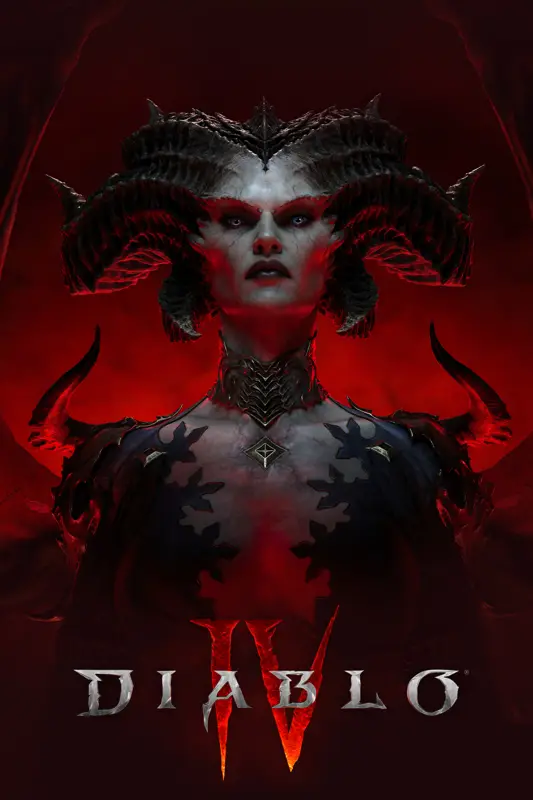
The return of Lilith gives Diablo IV a sturdy dark-fantasy spine. You play a wandering adventurer drawn into a spreading crisis of demons, cultists, corrupted people, and the old struggle between Heaven and Hell. Cinematic cutscenes and conversations carry the major turns, while optional quests let you linger in Sanctuary’s problems if you want more than a straight march toward Lilith. The central conflict is familiar Diablo territory, but its focus on mortal manipulation and the consequences of ancient wars gives the journey some weight.
Overall Experience
Diablo IV earns its strongest praise as a highly replayable action RPG that understands why clearing one more dungeon is hard to resist. The real-time isometric combat has enough pressure to make stronger gear and smarter skill choices feel earned, and its class variety supports very different approaches to the same world. You can treat it as a solo adventure, but it is equally built for friends, trading, and communal world challenges.
Its biggest limitation is also the source of its longevity. Diablo IV is not content to let you finish a quest line and walk away. It continually invites you to inspect equipment, reconsider skills, pursue optional activities, and begin again with a seasonal character. That loop is rewarding when you want a game to live in for weeks, especially if chasing a more efficient build sounds fun rather than tedious.
Give it a chance if you want weighty demon-slaying combat paired with a huge progression treadmill and plenty of cooperative options. Skip it if an online-only solo experience or constant gear management sounds like work. For the right kind of RPG player, the payoff is substantial: a grim campaign wrapped around an endlessly adjustable combat loop that remains satisfying long after the first big loot drop.


Reviews
There are no reviews yet.