 Retro Replay Retro Gaming History, Reviews & Emulation
Game Overview
Gameplay
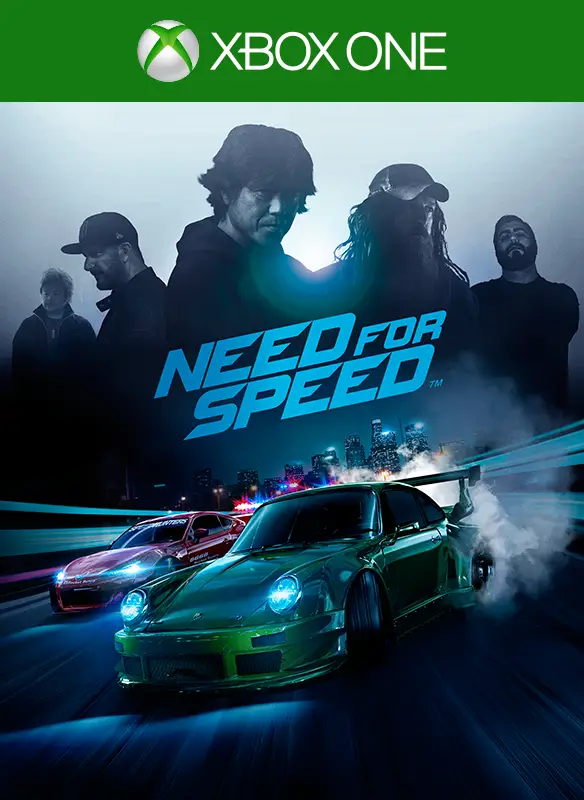
At its best, Need for Speed understands the pleasure of picking a car, nudging its handling toward grip or drift, and taking it out into a city built for nocturnal racing. This is broad, arcade-style driving rather than a demanding simulation, which makes it easy to get moving. The useful wrinkle is that tuning is not just cosmetic. You can push a build toward cleaner cornering or looser slides, then take that choice into sprints, drift challenges, and timed events.
Customization is the game’s clearest strength. Paint, wraps, decals, body-kit changes, and performance parts give you plenty to fuss over, while the ability to develop a starter car into something competitive removes the usual pressure to constantly dump your old ride for a pricier replacement. With only five garage spaces, you still have a reason to be selective. It is a satisfying loop if you enjoy refining a few favorite cars instead of treating every win as a shopping trip.
Progress is spread across Build, Crew, Outlaw, Speed, and Style activities, and you can pursue those paths in the order that suits you. That flexibility helps Ventura Bay feel less like a rigid ladder of races. Police chases bring extra tension to Outlaw missions, and the occasional option to bribe the police is a welcome way to cut off a pursuit. REP unlocks further events, while cash funds the practical side of your garage, so there is always another race or open-world stunt feeding back into progression.
Still, the game makes solo play more aggravating than it needs to be. You must remain connected to the internet at all times, including when you are not interested in playing with anyone else. Worse, races cannot be paused. That is an especially irritating restriction in a genre built around retrying events and fitting in quick sessions. AllDrive’s small lobbies and temporary crews can make it easy to join races with friends, but they do not justify that inconvenience for a player who just wants to race alone.
Story
You begin as a newcomer to Ventura Bay’s street-racing scene and build a reputation alongside Amy, Manu, Robyn, Spike, and Travis. The five overlapping paths lead toward challenges against real-world racing figures, giving the career a clear climb even if the main draw remains the cars and events. First-person full-motion-video scenes and the steady stream of calls and texts keep the crew around, but this is more about joining a scene than following a deeply dramatic story.
Overall Experience
This reboot is easy to recommend to you if the phrase “underground racing and tuning” is the whole pitch. It delivers a wide set of car-building choices, a flexible event structure, and enough distinct activities to keep a tuned car busy. The ability to make a humble early vehicle viable all the way through is particularly smart, because it lets your attachment to a build matter.
It is less convincing as a carefree pick-up-and-play racer. The permanent connection and no-pause rule create frustration that has nothing to do with the road, your car, or your skill. A bad moment in real life can interrupt a race just as surely as a missed corner, and that is a poor trade for the game’s online ambitions.
Need for Speed lands as a solid but compromised return to the series’ tuning-focused street-racing roots. If you enjoy chasing REP across several disciplines and obsessing over how a car looks and handles, Ventura Bay has a worthwhile groove. If you want a self-contained solo racer that respects your time, its connection demands will wear thin long before the garage does.


Reviews
There are no reviews yet.