 Retro Replay Retro Replay gaming reviews, news, emulation, geek stuff and more!

Retro Replay Review
Gameplay
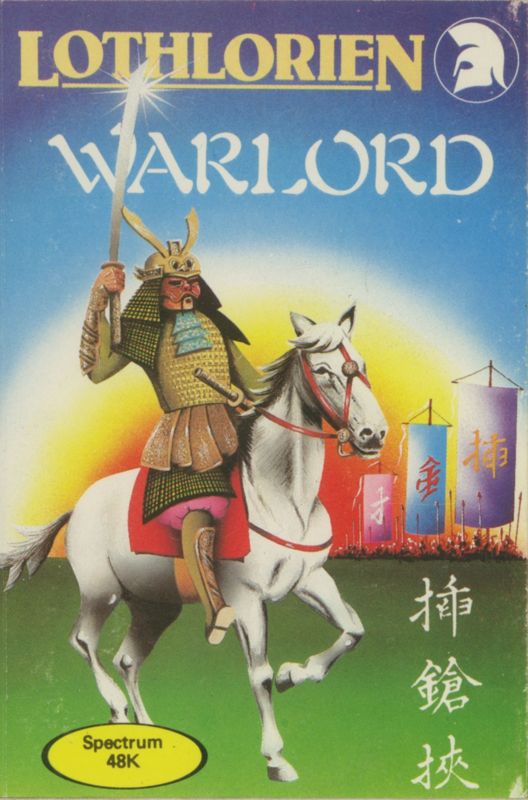
Warlord puts you in the uncomfortable seat of a small coastal ruler in 1201 Japan, where every annual choice has a price. In the opening turns, you are trying to keep a village fed while deciding whether its people belong in the fields, in military training, or helping fund a broader ambition. That tension is the game’s hook: you never get to treat food, money, and force as separate problems.
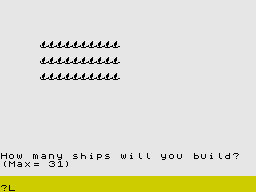
Trade and expansion give the strategy real bite. Building merchant ships and importing or exporting food can steady your treasury and population, but raids against pirates and neighbouring rulers offer another, far more dangerous route to wealth. You can hire samurai and mercenaries or train troops, yet military strength costs resources that may already be needed at home. Warlord asks you to commit to a direction before you have enough information to feel comfortable, which is exactly why successful years feel satisfying.
Combat is not simply a reward for building an army. Rival warlords can challenge you, and paying tribute is sometimes the smarter move when a fight would wreck a fragile position. Better still, weak leadership can bring trouble from your own samurai. That threat keeps passive economic play from becoming too safe; you need enough authority to hold together what you have built.
The thirty-year limit gives the campaign a welcome sense of pressure. You can win by subjugating opponents, survive to the end of your reign, or die before either happens. Difficulty settings help, but this is still a demanding game that expects you to learn by watching a few plans collapse. If you enjoy turn-based strategy where restraint matters as much as aggression, its harshness is part of the pleasure.

Graphics
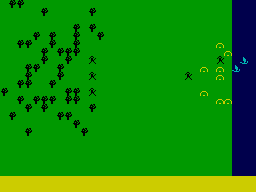
The ZX Spectrum version includes a map and animations, giving its yearly decisions and conflicts some visible movement beyond the accounting side of rule. The graphics serve a compact strategic game rather than distracting from the choices that matter.

Story
There is no need for a heavily scripted tale here. Warlord’s story comes from the reign you assemble: a village that survives through trade, one that grows rich on raids, or a ruler forced into humiliating tribute to avoid a disastrous war. Each year becomes a small chapter in whether your rule looks shrewd, desperate, or reckless.
The Kamakura-period setting gives the choices a properly hard edge. Your settlement depends on slave labor and the spoils of war, while samurai, mercenaries, pirates, rival rulers, and hunger all shape your options. It is not a heroic power fantasy; it is a game about maintaining control when power rests on unstable foundations.
The possibility of being challenged by your own samurai is the most memorable dramatic wrinkle. External enemies are expected in a conquest game, but internal doubt makes every setback more personal. Even if you avoid battle with a rival, Warlord makes clear that peace does not automatically mean security.
Overall Experience
Warlord is a lean, unforgiving ruler simulation with more nerve than its simple annual structure initially suggests. The first hour is about recognizing how tightly its systems are tied together. Once that clicks, you start planning several years ahead: protecting food supplies, choosing when a ship is worth the investment, and judging whether an enemy is worth provoking.
Frustration sets in when a sensible plan is undone by pressure you cannot fully control, especially when military demands collide with basic survival. But that is also where the game earns its authority. It does not let you solve the economy once and coast; a ruler who hoards money but looks weak, or fields troops while neglecting food, has created a different crisis rather than escaped one.
Give Warlord a chance if you want an old-school strategy game that makes every decision feel consequential and does not mind making you pay for impatience. Its payoff is not a lavish finale but the satisfaction of looking back over a thirty-year reign and knowing that your village became a power because you made the least-wrong choices often enough.


Reviews
There are no reviews yet.