Retro Replay Retro Gaming History, Reviews & Emulation
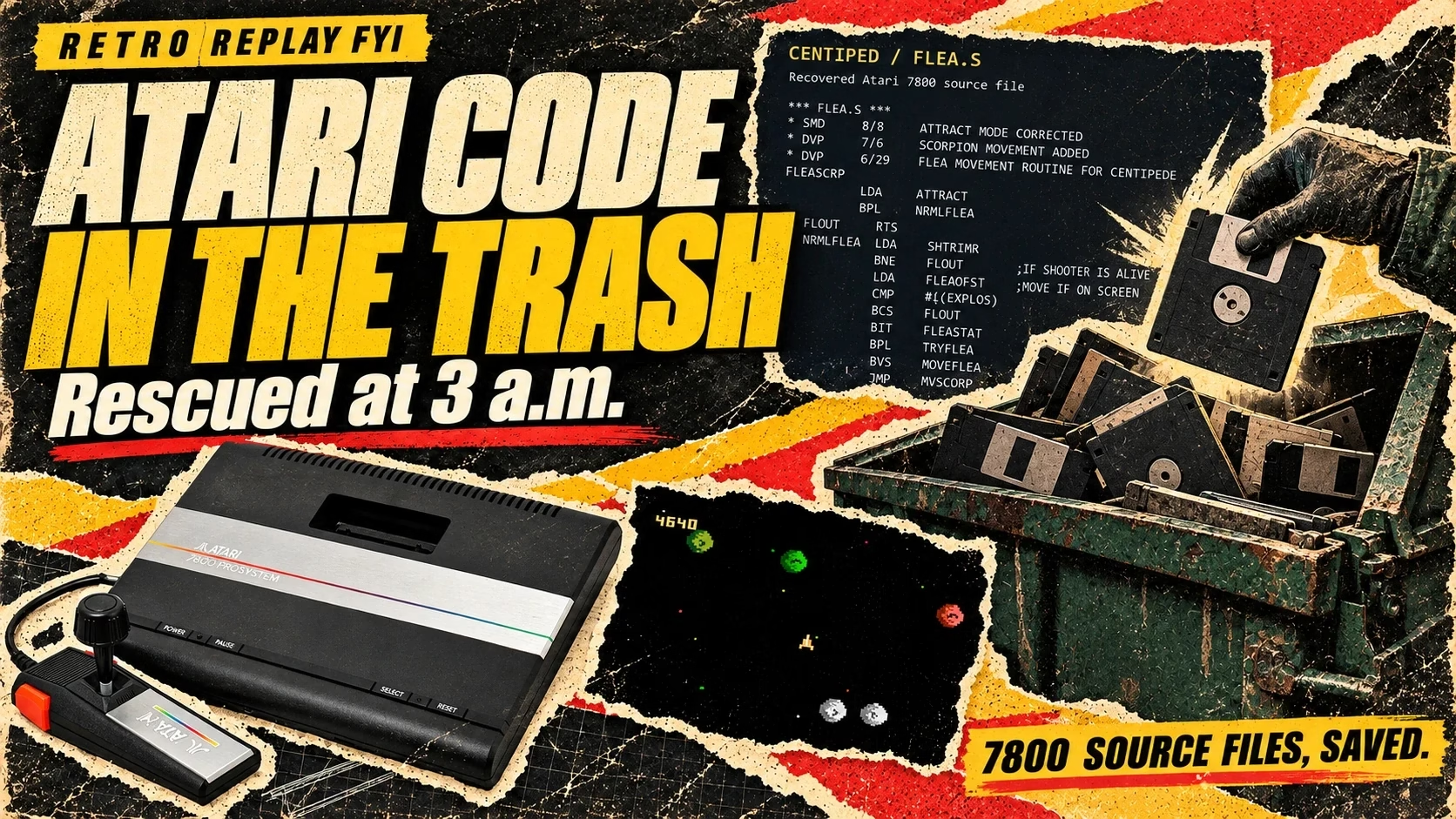
The Atari 7800 source code for Asteroids and Centipede ended up in a dumpster in 1996. Actual disks, behind the company’s Sunnyvale building, waiting to disappear with the trash. The reason we can still look through some of those files is that someone went in after them at 3 a.m.
There are glamorous ways to spend a night in the video-game business. Recovering Atari ST diskettes from a filthy dumpster probably doesn’t make the brochure. But the Atari Museum’s rescue brought back development material for the 7800, including Centipede and Asteroids. Somebody had thrown out the work behind the games.
What was on those disks?
The museum’s surviving account places the discarded disks behind 1196 Borregas in 1996 and describes recovering their contents. This was the year Atari Corporation merged with disk-drive maker JTS. The Atari name didn’t simply cease to exist, and these particular files concern home-console development, rather than the original arcade programs.
The collection goes well beyond two familiar names. Its download list includes Ms. Pac-Man, Galaga, Robotron: 2084 and Food Fight, along with development and animation tools that ran on Atari ST computers. Asteroids appears with the 7800 operating-system material. There’s even a warning beside Joust: that archive is actually the 2600 source.
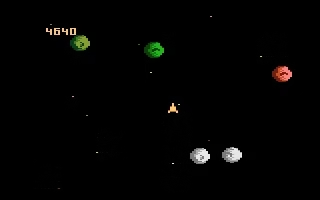
On a cartridge, you get the finished game: move the ship, shoot the rocks, try to avoid making a complete mess of the screen. The source files let you see what the programmers were working with before all of that became a playable cartridge.
The bugs are still in there, thankfully
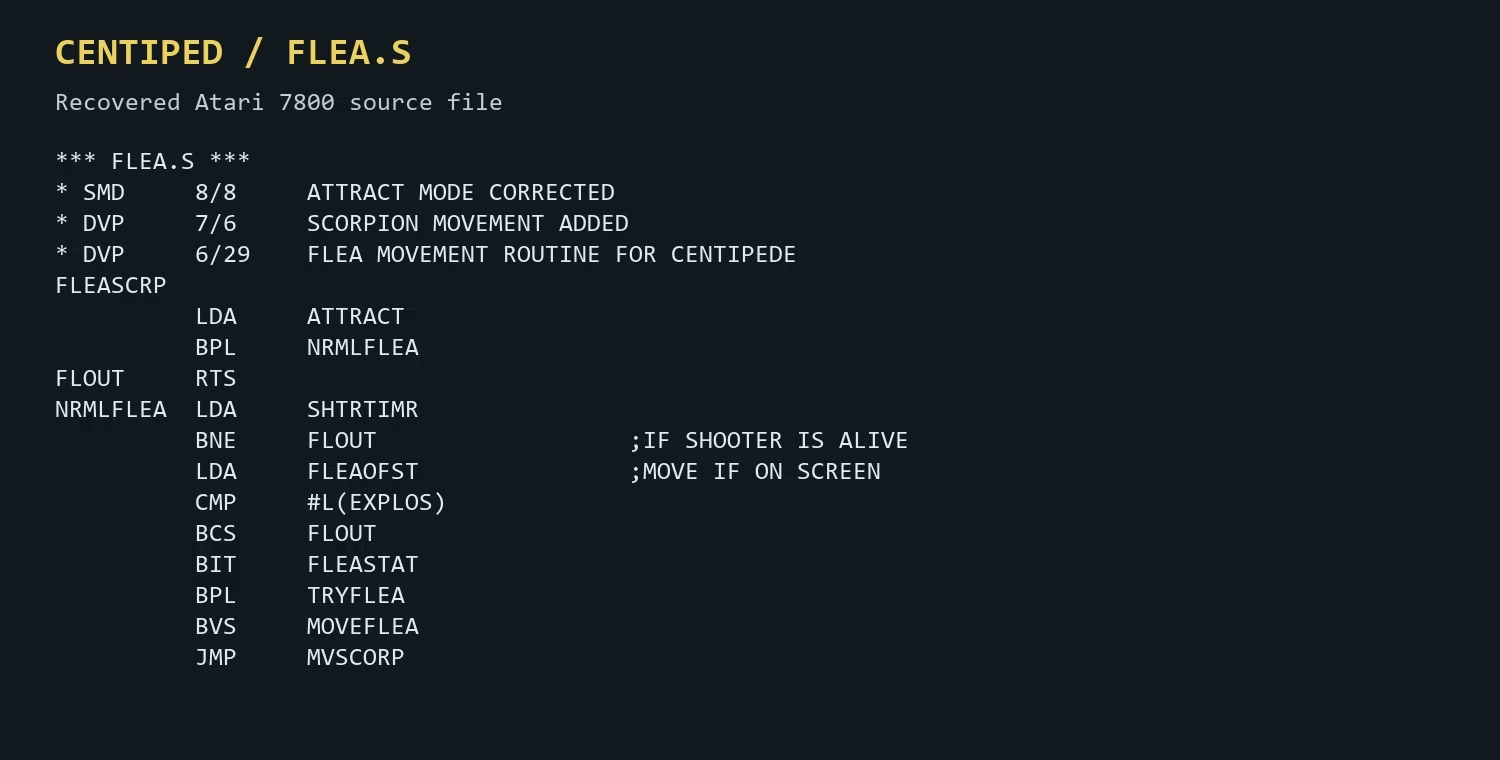
Open the recovered Centipede archive and the filenames are immediately reassuring: FLEA.S, SPIDER.S, DEATH.S. Yes, those pests had their own paperwork.
FLEA.S starts with brief development notes recording a correction to attract mode, added scorpion movement and the flea movement routine. Farther down, comments describe how the number of mushrooms needed to prevent fleas changes as the score rises. If you’ve spent a game desperately clearing the field while something else drops in to ruin your afternoon, here’s part of the machinery behind that particular nuisance.
Atari Museum founder Curt Vendel also turns up in a December 2000 discussion, offering to scan a separate, roughly 100-page photocopy of the 7800’s MariaOS source listing. Some sections were hard to read, so he proposed typing those parts out. That was a different document from the rescued disks, but it gives you a good idea of the patient work involved after the exciting discovery.
In January 2026, The Strong announced its acquisition of Vendel’s Atari collection, including computer media, engineering records and source-code materials. The old Atari Museum pages survive through a maintained mirror, too. You can still download the Centipede files and read the notes yourself. A considerably better destination than the garbage truck.
Sources
- Atari Museum: 7800 Games & Development, the firsthand rescue account and original archive downloads. About the maintained museum mirror.
- Recovered Centipede source archive, including FLEA.S. 7800 base operating-system and Asteroids archive. Source: Atari Museum.
- Kevin Parrish, Tom’s Guide: Atari 7800 Source Code Rescued (July 7, 2009), the supplied news report.
- JTS corporate announcements, including its account of acquiring Atari assets through the July 1996 merger.
- Curt Vendel: Atari 7800 OS source code discussion (December 2000), concerning a separate photocopied source listing.
- The Strong: acquisition of the Curt Vendel Atari Collection (January 27, 2026).
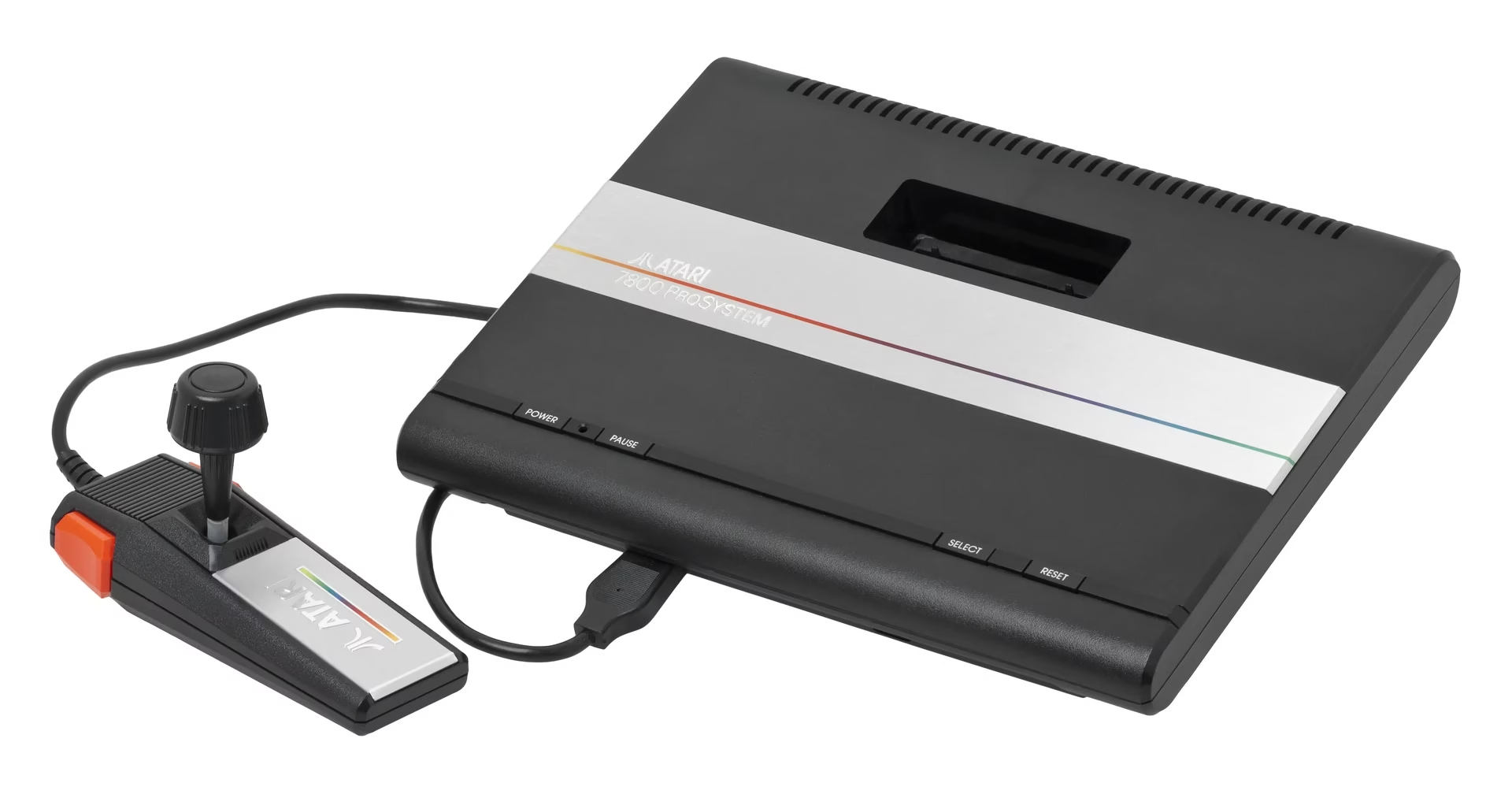
- Evan-Amos: Atari 7800 console and controller photograph, CC BY-SA 3.0. Also adapted into the illustrated cover.
More #RetroReplayFYI
For another Atari idea that nearly slipped away, meet the unreleased Atari 2700 and its ambitious 1981 wireless controllers.