 Retro Replay Retro Gaming History, Reviews & Emulation
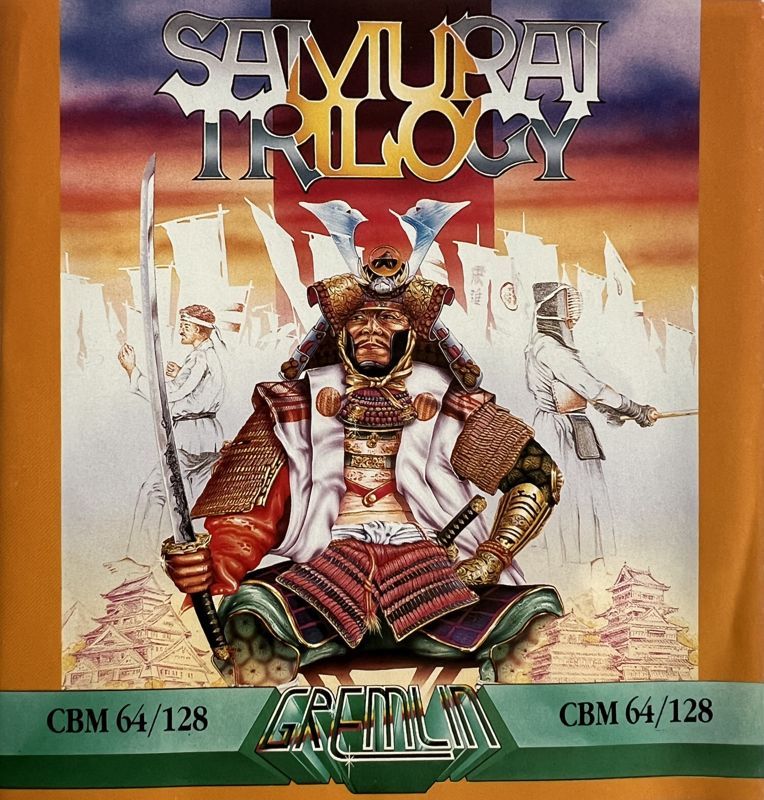


Retro Replay Review
Gameplay
The first few bouts make Samurai Trilogy seem more considered than many simple 8-bit fighters. Before each fight, you pick three forms of training and decide how heavily to lean on skill, speed, stamina, and strength in both attack and defense. That is enough preparation to make you pause and form a plan rather than immediately treating the match as another round of button-driven trading.
The three disciplines are the game’s main reason to experiment. Karate, kendo, and samurai each lead you through six opponents with different strengths and backgrounds, so changing style is not merely a cosmetic restart. If one route starts to feel resistant, trying another discipline and reshaping your training priorities gives you a concrete reason to return.
In the fight itself, Samurai Trilogy settles into much more familiar territory. You choose from 16 moves and attempt to outsmart the opponent while protecting your attack and defense bars. Empty either bar and the contest ends. The directness works in short sessions, especially when you can connect a loss to poor preparation or a bad tactical choice, but it also exposes the limits of the combat quickly. There is little indicated here beyond winning the exchange before your opponent does.
The dedicated training mode is welcome because it lets you spend time with the basics outside the pressure of an opponent. Use it before committing to a full run, particularly if you want the distinction between the styles to matter. The game rewards a patient, trial-and-error attitude more than a desire for instant spectacle.
Graphics
Samurai Trilogy uses a side-view fighting format, keeping the combatants and their exchanges in a straightforward face-to-face frame. The clearest visual distinction comes from the three martial disciplines—karate, kendo, and samurai—rather than from elaborate arenas or changing screen layouts.

Story
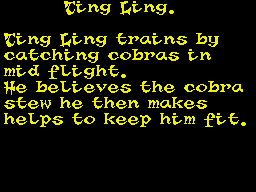
This is not a story-led tournament game. Each discipline sends you against six opponents, and the game gives those rivals different backgrounds and strengths, which adds a small amount of context to the next fight.
That light framing does help the progression feel less like repeating the exact same opponent. You are moving through a set of named competitive hurdles in a chosen discipline, with the next challenge defined by how it differs from the last.
Do not come expecting character drama or a substantial martial-arts saga. The narrative material is functional: it supports the sequence of fights and gives the opponent roster a little texture, while the real decisions happen in training and tactics.
Overall Experience
Samurai Trilogy is most enjoyable when you meet it halfway. The planning before a bout gives the game a modest strategic wrinkle, and the ability to choose a discipline makes its six-opponent paths worth sampling. For a game with such a stripped-down fight structure, that is a meaningful strength.
Frustration sets in when the pre-fight choices promise more variety than the matches can fully deliver. The core is still a limited head-to-head contest of selecting moves and managing attack and defense until somebody’s bar is gone. If you need each fight to introduce a new wrinkle, the repetition will arrive early.
At its best, it is a lean martial-arts challenge for someone who enjoys testing preparation, adjusting priorities, and seeing whether a different approach solves a stubborn opponent. The payoff is modest rather than thrilling, but the three styles and training decisions keep it from being completely disposable. It lands as a middling fighter with a worthwhile tactical idea, not a lost classic.


Reviews
There are no reviews yet.