 Retro Replay Retro Replay gaming reviews, news, emulation, geek stuff and more!




Retro Replay Review
Gameplay
Final Fantasy III retains the series’ classic role-playing structure while introducing several fresh mechanics that keep each encounter and dungeon crawl compelling. Battles unfold using the Active Time Battle (ATB) system, which adds a subtle rush to decision-making: you’ll need to balance offensive strikes, healing spells, and strategic use of items in real time. This blend of turn-based strategy and time-sensitive action ensures that each fight stays engaging, from low-level skirmishes to punishing boss duels.
(HEY YOU!! We hope you enjoy! We try not to run ads. So basically, this is a very expensive hobby running this site. Please consider joining us for updates, forums, and more. Network w/ us to make some cash or friends while retro gaming, and you can win some free retro games for posting. Okay, carry on 👍)
One of the game’s hallmark features is its versatile job system. By discovering and equipping Espers—mystical beings scattered across the world—you unlock new classes and magic spells for your party. Whether you want a traditional Warrior-Mage hybrid or an unconventional Blue Mage who learns enemy abilities, the freedom to experiment with roles and skills encourages multiple playstyles. This customization extends beyond combat: the right combination of Espers can boost your strength, agility, or magical prowess, letting you fine-tune your heroes for specific challenges.
The narrative arc also influences gameplay pacing. The first half of the adventure follows a linear progression—rescuing Espers, thwarting the Empire’s initial schemes, and gradually revealing the game’s lore. Once past the midpoint, the world opens up, inviting non-linear exploration. Sidequests, hidden bosses, and optional dungeons await curious players, rewarding thorough exploration with rare gear and powerful Espers. This two-stage design balances story-driven moments with the freedom to chart your own course, making the journey feel both guided and self-directed.
Graphics
Originally released on the Famicom with simple yet charming 8-bit sprites, Final Fantasy III’s visual identity has evolved through various re-releases. The PlayStation version enhanced the experience with full-motion video (FMV) cutscenes, bringing dramatic moments—such as the awakening of an Esper—to life with cinematic flair. Character portraits and illustrated event scenes also added personality, helping to ground the game’s lore-rich narrative.
Later ports, including the Game Boy Advance, Android, iOS, and PC editions, trade the FMVs for crisp 2D backgrounds and refined sprite work. Although the FMV sequences are removed, these versions feature updated character animations, a cleaned-up user interface, and expanded bestiary illustrations. The bonus dungeons introduced in these editions—such as the Dragons’ Den and the Soul Shrine—come with their own visual flair, featuring unique enemy designs and atmospheric palettes that set them apart from the main quest.
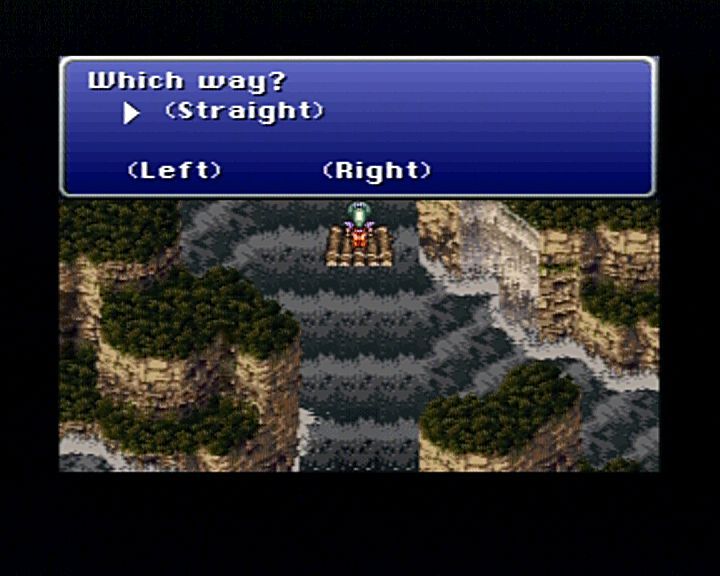
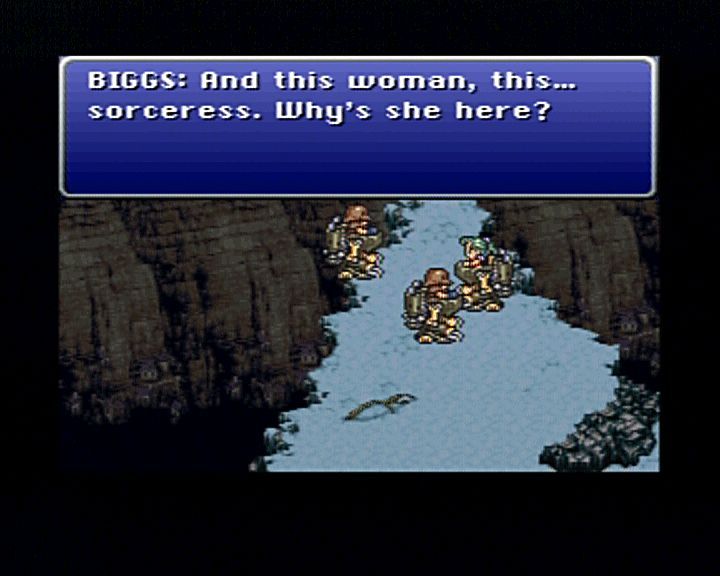
Despite its age, the art direction holds up thanks to clear color contrasts, expressive sprite faces, and detailed world maps. Whether you’re trekking through snowbound mountains or exploring ruined fortresses, each environment feels distinct. The UI improvements in later releases—such as clearer menus and on-screen job icons—make navigating equipment and magic lists a breeze, ensuring that stylish visuals go hand in hand with practicality.
Story
At its heart, Final Fantasy III weaves a tale of forgotten magic, imperial ambition, and unlikely heroes banding together to restore balance. A millennium after the cataclysmic War of the Magi, civilizations have forsaken arcane power in favor of burgeoning technology. Yet the Empire’s leaders, hungry for domination, seek to revive the long-lost force known simply as “magic.”
The inciting incident occurs in the icy mining town of Narshe, where the remains of an Esper have been discovered. When a young soldier inadvertently awakens this mystical creature, the Empire’s plot sets off a chain reaction that draws in a rag-tag band of protagonists. Rather than focusing on a single hero, the game treats the entire party as the central character—each member contributes unique strengths and motivations, weaving together a collective journey that spans continents and dimensions.
The story unfolds in two distinct acts. The first serves as a narrative foundation, introducing key figures, political intrigue, and the moral stakes of awakening ancient powers. As you venture into the second act, the game shifts into open-world mode: you recruit new allies, tackle sidequests, and unravel subplots in the order you choose. This storytelling approach blends a driven opening with a freeform conclusion, making the unfolding drama feel both urgent and personal.
Overall Experience
Final Fantasy III stands as a testament to the enduring appeal of classic JRPG design. Its combination of strategic battles, deep customization, and a layered narrative offers a rewarding experience for both longtime fans and newcomers curious about gaming history. The job system’s flexibility and the game’s two-phase structure create a sense of progression that never feels stagnant, even during extensive world exploration.
While some moments require grinding—especially when tackling bonus bosses or late-game dungeons—the satisfaction of overcoming tough encounters with a finely tailored party is undeniable. Version-specific enhancements, such as the PlayStation FMVs or the GBA and mobile bonus content, provide plenty of incentive to try different ports. Each iteration brings fresh material, whether in the form of animated cutscenes or new gear and secret challenges.
Ultimately, Final Fantasy III offers a balanced mix of nostalgia and innovation. Its captivating story, memorable job mechanics, and charming visuals create a package that feels both timeless and accessible. Whether you’re exploring the original Famicom levels or delving into the expanded dungeons on modern platforms, this installment remains a standout RPG worthy of a place in any collector’s library or newcomer’s gaming rotation.



Reviews
There are no reviews yet.