 Retro Replay Retro Gaming History, Reviews & Emulation
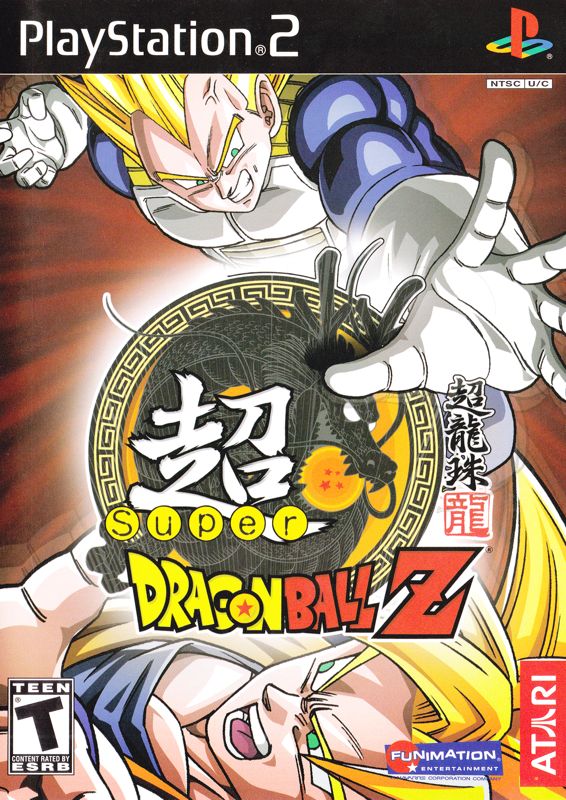
Retro Replay Review
Gameplay
Super Dragon Ball Z earns its best moments through commitment. Rather than leaning entirely on familiar faces and big attacks, it asks you to work with dial-input special moves. If you have spent time with traditional arcade fighters, the basic language is immediately recognizable: practice the motions, learn what your character can do, and stop expecting every flashy option to happen at the press of a button. That can create a rough first hour, particularly if you came in expecting a casual Dragon Ball party game, but it also gives the fighting a firmer backbone.
Thirteen fighters are ready from the start, with Goku, Vegeta, Future Trunks, Teen Gohan, Piccolo, Krillin, Android 18, Frieza, Cell, and Fat Buu among the starting lineup. That is enough variety to make Versus worthwhile before you ever touch the unlocks. Temporary special forms, including Super Saiyan-style transformations for applicable characters, add another burst of Dragon Ball flavor without changing the fact that the fundamentals are where you will spend your time.
The mode selection is sensibly built around different kinds of practice. Original mode supplies the straightforward arcade-fighting route, Training is where you should go before declaring the inputs too demanding, and Versus is the natural destination once you have a character you trust. Z Survivor is a good pressure test: you keep facing opponents for as long as your remaining health lasts, so every mistake matters more than it does in a one-off match.
Creating a fighter is the feature that gives the package some staying power beyond replaying arcade battles. Your character gains experience, grows stronger, and learns skills through fighting. Collecting all seven Dragon Balls opens Shenron Summon mode, where wishes can grant benefits such as additional attack power and unlockable characters. It is a smart incentive to keep playing, though it does not erase the central requirement: you need to enjoy putting in the repetitions that a more deliberate fighter demands.
Graphics
The draw is plainly the recognizable Dragon Ball lineup: Goku, Vegeta, Frieza, Cell, the Androids, Majin Vegeta, Videl, and others sharing the same fighting roster. Seeing the regular cast alongside deeper cuts such as Chi-Chi, Android 16, Mecha Frieza, and King Piccolo gives the game a broader series-fan flavor than a roster built only from headline heroes.
Story
Story is not the main reason to play. Original mode follows the classic arcade structure, putting the focus on a sequence of fights rather than a heavily described narrative campaign. That makes the game easy to dip into, but it also means its sense of progression comes more from mastering a fighter than from following a dramatic arc.
The roster itself supplies much of the context. Goku, Vegeta, Future Trunks, Teen Gohan, Piccolo, Frieza, Cell, and Buu bring their established Dragon Ball history with them, so fans do not need much prompting to understand why these matchups are appealing. Unlocks such as Ultimate Gohan, Videl, Mecha Frieza, King Piccolo, and Majin Vegeta give you further reasons to return to the fights.
The custom character has the closest thing here to a personal journey. Battles produce experience and new skills, while the search for all seven Dragon Balls leads to a Shenron wish. That is a clean, game-driven thread rather than a rich authored tale, but it fits the loop: fight, improve, chase another reward, then take that stronger character back into the ring. For a look at an earlier branch of the series, Dragon Ball Z: Super Butōden makes an interesting point of comparison.
Overall Experience
This is a better fit for the Dragon Ball fan who also likes learning fighting games than for someone who merely wants to see familiar characters throw attacks around. Its insistence on dial inputs can be a barrier, and the payoff depends on whether you enjoy training, refining your execution, and finding a fighter who clicks. When it does click, the game has a pleasingly old-school rhythm: improve a little, test yourself in Versus or Z Survivor, then go back to practice with a clearer idea of what went wrong.
The custom-fighter progression is the strongest reason to stay after the initial novelty of the roster fades. Experience, learnable skills, Dragon Balls, and Shenron wishes give solo play a useful target, while the unlockable characters keep the selection from feeling completely fixed. Still, the core fighting has to carry you; progression is a bonus, not a substitute for enjoying the more disciplined combat.
At 6.5, this lands as a decent but specialized Dragon Ball fighter. Give it a chance if traditional motion inputs sound inviting and you like the idea of building a custom combatant over time. Pass if your ideal licensed brawler is immediate and forgiving. For release and development history, the Super Dragon Ball Z overview is a useful companion read.



Reviews
There are no reviews yet.