 Retro Replay Retro Gaming History, Reviews & Emulation

Retro Replay Review
Gameplay
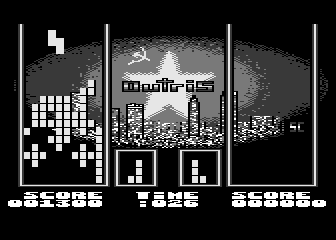
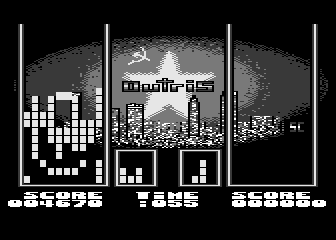
Outris opens with a simple challenge you understand in seconds: two people, two split-screen falling-block games, and a timer steadily draining away. Then the starting layouts make that simplicity less comfortable. Every round begins with a different arrangement of bricks already on the board, so you have to assess the mess before you can build anything useful. That small twist stops the game from becoming a rote race to make neat lines.
The best part is the round-advance rule. At least one player has to remain in the game for both of you to move on, which changes the mood from pure head-to-head competition into a frantic shared survival test. If your opponent is out, you suddenly become the entire team’s chance to continue. If you are the one struggling, there is still pressure to last long enough for the other side of the screen to stabilize.
This is not a puzzle game built around a long list of distractions. Its strength is direct control and quick judgment: inspect the initial bricks, make room, and avoid letting the board get away from you before time expires. That can be frustrating when an ugly opening arrangement forces you to improvise immediately, but it is also where Outris earns its personality. You are reacting to a problem, not just repeating a pattern.
Bring another person if you can. The split-screen setup and one-survivor rule give Outris its sharpest moments, especially when one player is barely hanging on while the other has already fallen. Solo play loses that shared tension, while two-player sessions turn even a short round into a small argument, a rescue attempt, or a bragging-rights finish.
Graphics
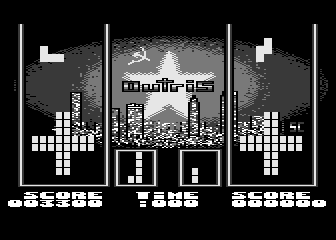
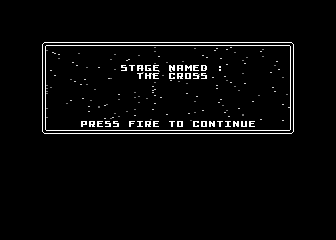
Outris puts two playfields on screen at once against a space-themed backdrop. The split-screen layout keeps both players’ boards visible during the same round, which suits a game where you want to glance over and see whether the other person is about to save the run or disappear first.
Story
There is no story campaign pulling you through Outris. The space setting frames the action, but the real drama comes from the state of the two boards and the timer nearing zero.
That is the right scale for this kind of puzzle game. You do not need a fictional excuse to care when your board begins with an awkward brick formation and your partner has already been knocked out. The round itself creates the stakes.
Because each new round changes its starting arrangement, the game produces a modest sense of onward momentum without needing characters or plot turns. Getting through is its own reward: one more board, one more timer, one more chance for the pair to recover.
Overall Experience
Outris is a compact competitive twist on falling-block puzzle rules, and its best idea is also its clearest one: survival by either player counts. That gives the game a cooperative edge without removing the pleasure of being the person who lasts longer.
The varied opening layouts are the other reason to play. They ensure that each round asks a slightly different question, and they make the first few moments matter instead of feeling like empty setup before the real difficulty begins. You may curse a particularly inconvenient starting board, but that inconvenience is exactly what keeps you engaged.
It is a good fit for two gamers who like immediate, no-nonsense puzzle pressure and do not need elaborate progression to stay interested. Outris will not ask for much explanation; it asks for calm hands, quick decisions, and one player to remain standing when the timer runs out. For a brief Atari 8-bit multiplayer challenge, that payoff is worth the occasional rough start.

Reviews
There are no reviews yet.