 Retro Replay Retro Replay gaming reviews, news, emulation, geek stuff and more!




Retro Replay Review
Gameplay
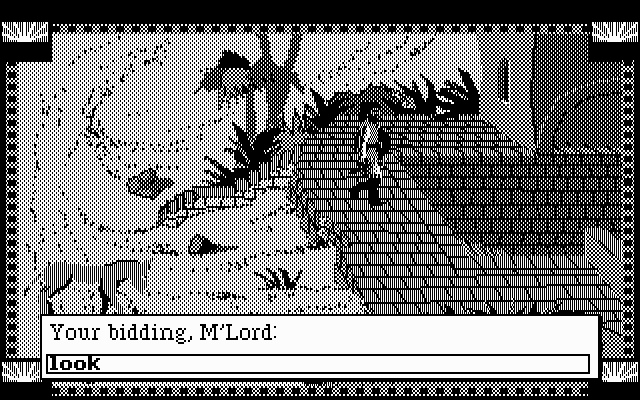
Conquests of Camelot: The Search for the Grail uses a classic text-parser interface, inviting players to type concise commands like “look man,” “take purse,” or “ask about.” This system encourages careful observation and experimentation. Keyboard shortcuts streamline frequent actions—such as the “ask about” routine—so you spend less time typing and more time strategizing your next move.
(HEY YOU!! We hope you enjoy! We try not to run ads. So basically, this is a very expensive hobby running this site. Please consider joining us for updates, forums, and more. Network w/ us to make some cash or friends while retro gaming, and you can win some free retro games for posting. Okay, carry on 👍)
Rather than relying solely on inventory-based puzzles, the game offers a diverse array of challenges. You’ll solve riddles in remote forest shrines, gather crucial intelligence from villagers, engage in arcade-style jousting matches, and even manage a modest purse of coins. The variety keeps each segment of the quest fresh, whether you’re deciphering a monk’s cryptic verse or timing your lances at full gallop.
One of the game’s most compelling features is its non-linear problem solving. Many quests offer alternate solutions—fail to rescue a knight and still reach Jerusalem, or earn a high wisdom score by uncovering hidden lore while bypassing a direct confrontation. Your performance is tallied in three categories—skill, wisdom, and soul—so the path you choose directly influences the ending you achieve.
Difficulty ramps up progressively, with early puzzles serving as tutorials and later challenges demanding precise timing, careful inventory management, and ethical decisions. While some arcade sequences may feel unforgiving to newcomers, the blend of strategic thinking and reflex-based play keeps the pacing dynamic and engaging throughout Arthur’s epic pilgrimage.
Graphics
For its time, Conquests of Camelot boasts richly detailed EGA artwork, complete with vibrant palettes that bring medieval England to life. Rolling hills, dense woodlands, and the imposing silhouette of a cursed Camelot appear in carefully crafted backgrounds, setting an immersive stage for your journey.
Character portraits are rendered with expressive, pixel-art charm. Whether you’re conversing with a dusty pilgrim at a waystation or locking eyes with a mysterious pagan deity, the illustrations convey personality and atmosphere, adding emotional weight to each encounter.
The interface cleverly splits the screen between graphical vistas and the text window, so you never lose sight of the environment as you type commands. This layout strikes a fine balance: the visuals provide context, while the text parser ensures deep interaction without overwhelming the eye.
Certain animations—like the flash of a sword in combat or the flicker of torchlight in subterranean chambers—may appear rudimentary by modern standards, but they preserve a nostalgic glow. These touches remind players of the game’s 1989 roots and contribute to its enduring retro appeal.
Story
The narrative plunges you into ninth-century Camelot, a realm beset by drought and famine following the ill-fated love triangle of King Arthur, Queen Gwenhyver, and Sir Launcelot. As the kingdom starves, rumor whispers that only the Holy Grail can lift the curse and restore balance to the realm.
When Launcelot, Gawaine, and Galahad vanish on their Grail quest, Arthur himself takes up the mantle. Your odyssey spans real English landmarks—windswept moors, rugged coastlines—and transcends geography to ventures in Jerusalem and the Holy Land. Each new region offers fresh puzzles, unique characters, and hidden chapels that deepen the sense of a sprawling medieval world.
The game weaves an alternate historical tapestry: genuine pagan gods may still linger in hidden groves, yet Christian worship asserts its ascendancy. While the story rarely delves into the minutiae of period theology or features famous historical figures, it thrives on the tension between mythic forces and human ambition.
Moral choices permeate the narrative. Will you show mercy to a penitent sinner, or uphold the harsh justice of Camelot’s code? These decisions feed into the soul score and determine whether Arthur secures a triumphant or tragic conclusion. Such branching outcomes encourage multiple playthroughs and reward players who seek every hidden scroll and ethical dilemma.
Overall Experience
Conquests of Camelot: The Search for the Grail offers a memorable fusion of text-driven exploration, puzzle-solving, and action minigames. Its eclectic tasks—from decoding ancient runes to mastering the tilt of a lance—create a varied quest that rarely grows stale. Underpinning it all is a compelling narrative steeped in Arthurian legend.
Modern gamers may find the parser interface and arcade segments challenging at first, but patience proves rewarding. The game’s deliberate pace allows you to savor each new locale, uncover layers of medieval lore, and reflect on the moral weight of Arthur’s choices. For those with a fondness for retro adventures, this title remains a standout example of interactive storytelling.
Beyond its entertainment value, Conquests of Camelot imparts cultural and historical tidbits—outlaw ballads, pilgrimage customs, and legendary artifacts—making the journey as informative as it is immersive. The wisdom challenges, in particular, invite you to learn about medieval life and philosophy, bolstering the overall depth of the experience.
Whether you’re drawn to the Arthurian mythos, the thrill of text-based adventuring, or the nostalgia of late-’80s design, Conquests of Camelot delivers a richly textured expedition. It stands as a testament to the era when imagination and textual interaction reigned supreme, and its legacy endures for any player seeking a thoughtful, multifaceted quest.


Reviews
There are no reviews yet.