 Retro Replay Retro Gaming History, Reviews & Emulation
Retro Replay Review
Gameplay
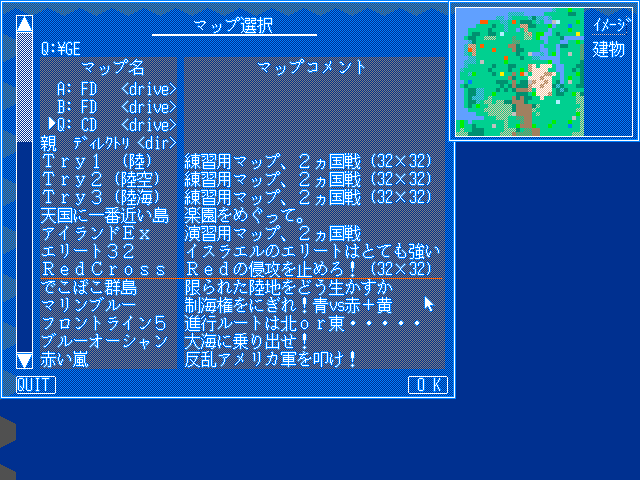
The first hour has a sensible learning curve because the three “try” maps break combat into pieces. Start with the ground-only map if you want to understand the basic rhythm without extra concerns. Then add air power or naval combat once you are comfortable thinking a few turns ahead. That structure is more welcoming than being thrown directly into a sprawling combined-arms conflict.
From there, Gendai Daisenryaku EX earns its name through range. More than 30 scenarios means you are not simply replaying one board with shuffled conditions, and the maps vary in difficulty and assigned tasks. The turn-based format favors patience: you will get more out of it if you enjoy weighing positions and commitments rather than chasing quick tactical fireworks.
The multi-country scenarios are where the concept sounds especially inviting. A conflict involving as many as five countries should make the map feel less like a straight duel and more like a crowded military problem. That added complexity will be rewarding for veteran strategy fans, though newcomers should not feel obliged to begin there when the introductory maps already offer a clearer route in.
The scenario editor gives the package real staying power. Making maps from scratch is a meaningful addition in a game built around scenario design, and separately released scenario disks extend that further. If you like experimenting with battle setups as much as solving them, EX has more to offer than a fixed campaign-style sequence.
Graphics
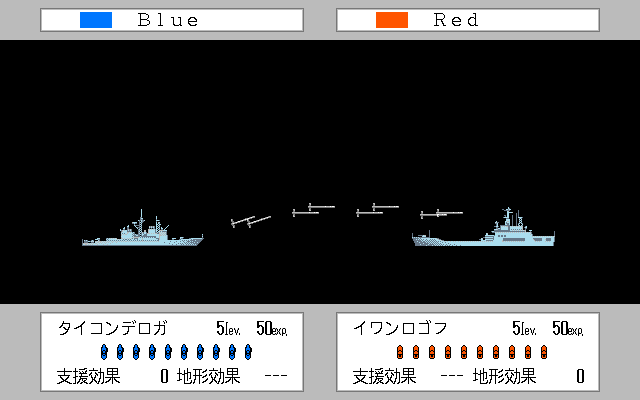
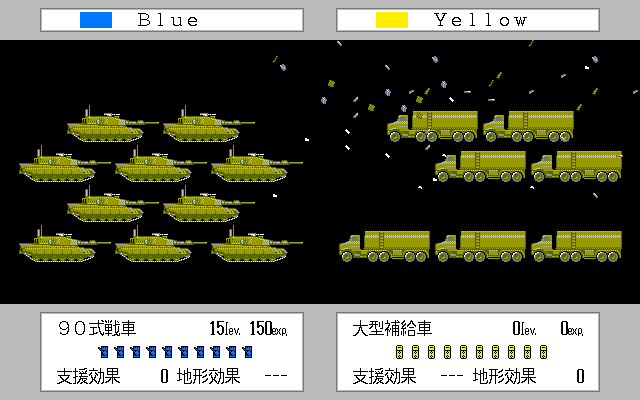
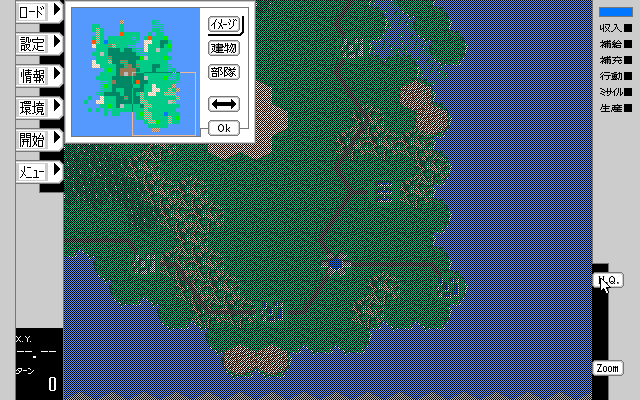
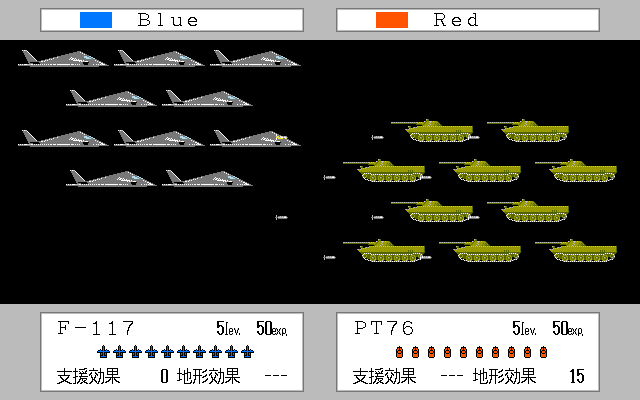
The top-down battlefield view suits a strategy game about positioning units across a map, while the remake brings more advanced graphics than the original. The revised interface matters just as much in practice: this is a game you will spend a long time navigating, so a cleaner front end is a worthwhile improvement rather than window dressing.
Story
There is no single character-led story driving Gendai Daisenryaku EX. Its drama comes from the scenarios themselves: military objectives, changing levels of difficulty, and the pressure of deciding how to handle the forces on a given map.
That makes each scenario feel more like a self-contained conflict than a chapter in a plotted campaign. The ground, air, and naval “try” maps establish different forms of warfare, while later scenarios broaden the situations you are asked to solve.
The multiple-country battles offer the closest thing to larger-scale geopolitical drama. With up to five countries involved, the fiction is carried by the shape of the war rather than by named personalities or cutscene storytelling. Come for strategic situations, not for a narrative arc.
Overall Experience
Gendai Daisenryaku EX looks like the kind of remake that understands why its predecessor mattered: it refreshes the interface and audiovisual side, then backs that up with a large scenario selection instead of treating nostalgia as enough. The result is a strategy game with room to grow into rather than merely sample.
Its biggest strength is the way it lets you choose your own depth. You can use the focused tutorial-style maps to build confidence, work through the varied supplied scenarios, or spend time creating maps yourself. That flexibility makes the game friendlier than its serious military-strategy framing might initially suggest.
Give it a chance if deliberate, turn-based map warfare sounds satisfying and you appreciate a game that asks for thought over reflexes. The payoff is strongest for someone willing to learn the scenario structure and revisit it, especially with the editor waiting once the built-in maps stop being enough.


Reviews
There are no reviews yet.