 Retro Replay Retro Gaming History, Reviews & Emulation

Retro Replay Review
Gameplay
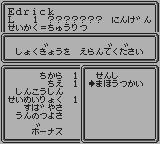
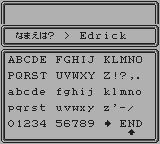
The hook arrives before the first serious fight: you assemble a party from familiar Wizardry races and classes, then commit up to six adventurers to a dungeon that expects discipline. Fighters, wizards, and the rest of the classic stock let you make meaningful choices about how your group will handle danger. That foundational party-building remains one of the best reasons to play. A party that looks balanced on paper can still expose weaknesses once the random encounters start wearing it down.
Exploration takes place from a first-person view across a solitary six-floor dungeon, with turn-based encounters interrupting your progress. This is not a breezy role-playing game built around rushing from plot point to plot point. You push forward, battle, gain experience, and level up because survival and growth are inseparable. If you enjoy the rhythm of entering a dangerous space a little underprepared, then gradually making it feel manageable, this has the right kind of stubborn pull.
Auto-mapping is the crucial kindness. Earlier Wizardry-style dungeon crawls can turn into an exercise in graph paper maintenance, but here you can concentrate on navigating, fighting, and deciding whether your party is ready to press onward. That does not make the dungeon harmless; random encounters and the usual pressure of party survival can still stop momentum cold. It does make the game much more approachable for a handheld session, where you want to make actual progress rather than reconstruct every corridor by hand.
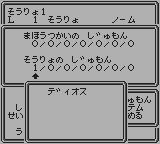
The expanded spell selection and long-range weapons give the combat system more room than a bare-bones early dungeon crawler, while its overall structure stays firmly traditional. You should come in wanting methodical turn-based play rather than constant novelty. The payoff is the satisfying sense that your party has been shaped by hard-won experience, not simply carried through a tour.
Graphics
The Game Boy view keeps you inside the dungeon in first person, while battles shift to a separate combat screen. It follows the look and feel of ASCII’s console Wizardry work, favoring a direct, familiar interpretation of the series over a radical handheld reinvention.

Story
The quest has a clean fantasy urgency: the protective Staff of Gnilda is losing its power, Queen Iris’s sister Sorx vanished a year earlier, and the mage Thailand Rossum disappeared with her. Your party answers the queen’s call to find Sorx and defeat Rossum. It is a strong enough frame for a dungeon expedition because it gives every descent a clear purpose without pretending the game is driven by elaborate drama.
What matters most is that the stakes stay pointed at the dungeon. The fading artifact puts Llylgamyn at risk, and the missing sister ties the royal request to a personal loss. That is more involving than being sent underground for treasure alone, even if the real narrative momentum comes from your party’s climb in strength and deeper progress through the floors.
As a Gaiden side story, it stands apart from the computer games rather than adapting one of them. Returning Wizardry fans will recognize the series DNA in its races, classes, dungeon structure, and hostile fantasy mission. Newcomers do not need that history to understand the job in front of them: build a capable group, locate the missing woman, and stop the mage behind the threat.
Overall Experience
This is a good Wizardry for someone who wants the old-school dungeon-crawling experience without one of its most tedious obligations. The auto-map does not soften the central challenge of random encounters, leveling, and party management; it removes the busywork that can make older entries feel needlessly hostile. That distinction matters, especially on Game Boy.
Frustration will set in if you want a role-playing game that constantly explains itself or moves at a fast narrative clip. The dungeon is the destination, and progress is measured in survival, experience, and growing confidence. You need patience for a game that asks you to accept setbacks as part of learning how your party functions.
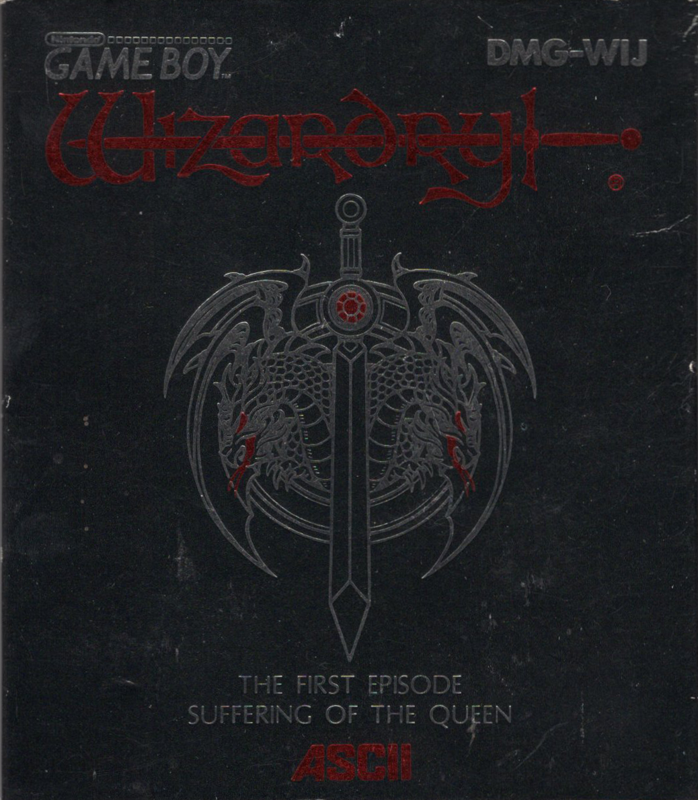
For genre fans, the trade is worth it. Wizardry: The First Episode – Suffering of the Queen preserves the tense, deliberate loop that made the series influential, then makes it more practical through auto-mapping and a compact handheld format. Give it a chance if creating a party and earning every deeper step sounds more rewarding than being swept along by a heavily scripted adventure.


Reviews
There are no reviews yet.