 Retro Replay Retro Gaming History, Reviews & Emulation
Retro Replay Review
Gameplay
The first hour has a stronger hook than a typical licensed brawler because the game asks you to manage a four-character squad, not just clear a line of enemies with one dependable lead. You can tackle any of the four stages first, which is a welcome bit of freedom, but the next stage must be played by someone you have not already used. That immediately makes Yusuke, Hiei, Kuwabara, and Kurama feel like resources rather than interchangeable portraits.
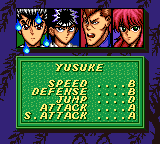
The differences in their five attributes, including jumping and speed, matter because you are pushed to rotate through the roster. If one character’s pace clicks with you, enjoy it while you can; the campaign wants you to adapt. It is a simple restriction, but it gives replay value to stage order and prevents the usual beat ’em-up habit of finding one comfortable character and ignoring everyone else.
Health management is where that flexibility turns tense. When a fighter is emptied, you can refill them using the health of the other characters, saving the current run at the cost of weakening your remaining options. It is a neat risk-reward decision: rescue the fighter you know well now, or preserve the team for the stages still ahead. That can also make a rough early performance snowball, so this is better suited to someone who enjoys careful persistence alongside arcade-style action.
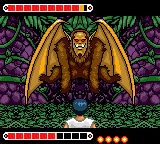
Bosses break away from the side-scrolling routine for a turn-based timing contest. You dodge an incoming attack, then hit Punch when a moving crosshair passes over the boss. The change of pace is memorable, but it will either feel like a welcome duel or an interruption depending on how much you enjoy precision timing. Go in expecting a brawler with a few tactical wrinkles, not a nonstop string of free-form fights.
Graphics
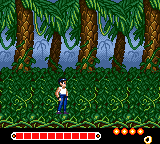
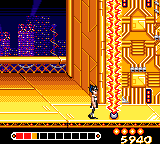
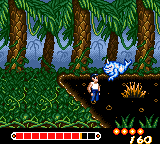
The action is built around 2D side-view stages, with the straightforward scrolling format keeping the focus on fighters and enemies. Boss encounters visibly switch gears, putting a moving crosshair over the opponent for the attack timing sequence; it is a clear visual cue for a very different kind of fight.
Story
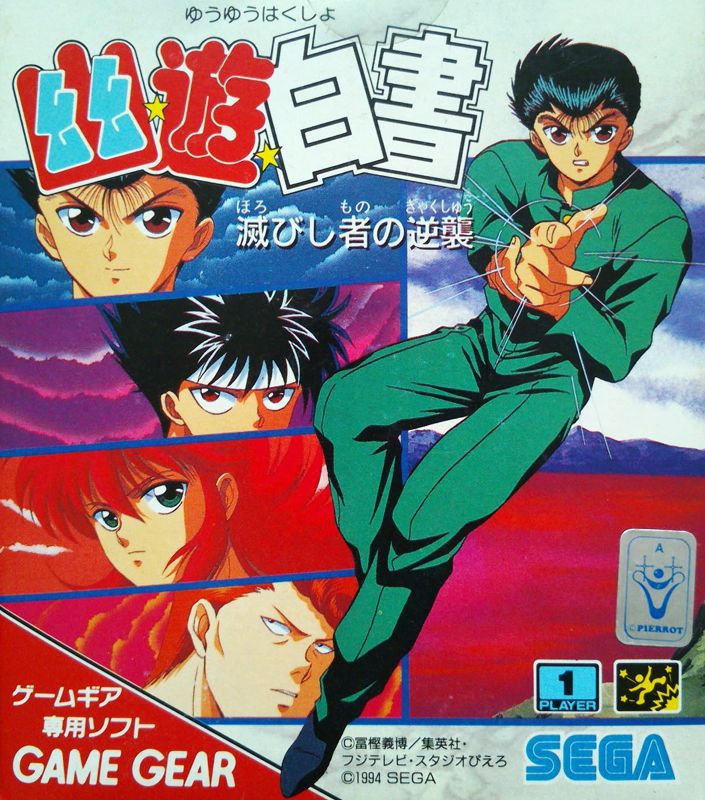
The game draws on the world of Yū Yū Hakusho, where teenage delinquent Yusuke Urameshi becomes an Underworld Detective after dying while saving a child. His work investigating ghosts and demons gives the license a natural action-game foundation.
Having Yusuke, Hiei, Kuwabara, and Kurama all playable is the strongest connection to that material. You are not merely watching familiar names pass by between rounds; the campaign’s forced character rotation makes each of the four part of your progress.
For fans, the pleasure is in taking that group into a compact, rules-driven brawler rather than treating the anime connection as decoration. Even if you arrive for Yusuke, the game consistently nudges you to spend time with the whole team.
Overall Experience
Horobishi Mono no Gyakushū is more interesting than its basic side-scrolling beat ’em-up label suggests. Stage choice, enforced roster rotation, stat differences, and shared health create a campaign where your decisions carry forward. That is a meaningful advantage over more disposable button-mashers.
Its rough edge is that the same systems can punish a bad stretch. Spending team health to revive a fallen character is useful, but it leaves fewer reserves later, and the boss crosshair sequences demand a different skill than the regular stages. If you want frictionless action, that pressure may feel more annoying than strategic.
Give it a chance if you enjoy the series and like old-school brawlers that make you learn more than one character. The payoff is not elaborate, but mastering the roster and surviving the campaign with enough health left gives this Game Gear adaptation a satisfying layer of planning.


Reviews
There are no reviews yet.