 Retro Replay Retro Replay gaming reviews, news, emulation, geek stuff and more!
Retro Replay Review
Gameplay
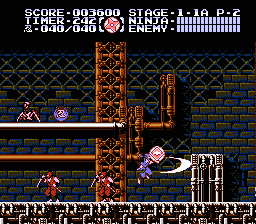
Ninja Gaiden III: The Ancient Ship of Doom sticks to the series’ trademark fast-paced action, but ramps up the challenge in every conceivable way. Players guide Ryu Hayabusa through a gauntlet of deadly traps, ruthless henchmen, and mechanized monstrosities as he uncovers the secrets of a sinister factory. The addition of vertical-scrolling levels breaks the linear mold of its predecessors, forcing you to navigate upwards through claustrophobic shafts and rooftop gauntlets while fending off airborne foes.
(HEY YOU!! We hope you enjoy! We try not to run ads. So basically, this is a very expensive hobby running this site. Please consider joining us for updates, forums, and more. Network w/ us to make some cash or friends while retro gaming, and you can win some free retro games for posting. Okay, carry on 👍)
One of the game’s standout mechanics is the sword-extension power-up, which temporarily amplifies Ryu’s reach and crowd-control potential. Coupled with the new vertical “wave” attack, these abilities give veteran players strategic options to thin out enemy hordes or exploit precarious environmental hazards. However, the US version’s tougher hit detection and shortened default sword length ensure that mastery of these tools is more a necessity than an option.
While some stages permit generous exploration with hidden boosts and alternate routes, Ninja Gaiden III offers limited continues and a ruthless enemy placement that punishes mistakes severely. Each life lost can feel like a setback when the factory’s myriad conveyor belts, crushing pistons, and shuriken-launching turrets demand pixel-perfect timing. This steep difficulty spike may frustrate newcomers, but for dedicated action fans it provides a deeply rewarding sense of accomplishment once patterns are memorized.
Graphics
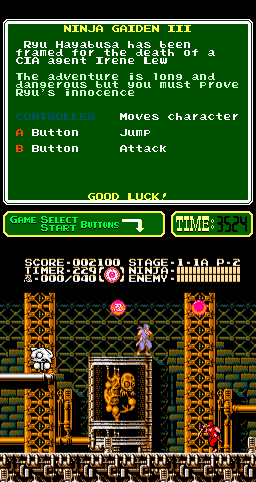
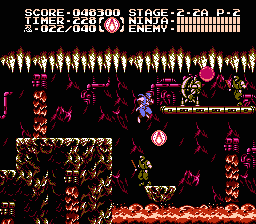
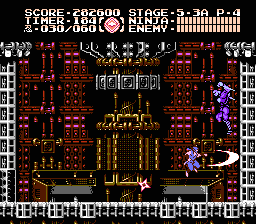
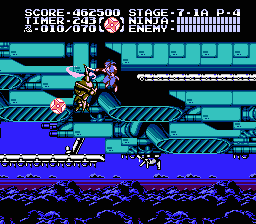
As the swan song of the NES-era Ninja Gaiden trilogy, The Ancient Ship of Doom pushes the 8-bit hardware to its limits. Character sprites maintain the crisp detail and fluid animation the series is known for, whether Ryu is performing a high-flying slash or a deft somersault kick. Enemy designs range from mechanical drones to bio-engineered beasts, each rendered with enough clarity to telegraph attack patterns mid-battle.
Backgrounds are surprisingly varied, shifting from steel-reinforced factory interiors to dimly lit dockyards and storm-lashed shorelines. Parallax-like effects and subtle color gradients lend depth, giving levels an almost cinematic feel despite the NES palette constraints. The introduction of vertical stages also highlights the creative artistry—ropes, ladders, and hanging platforms appear seamlessly integrated into the scene, creating convincing multi-layered arenas.
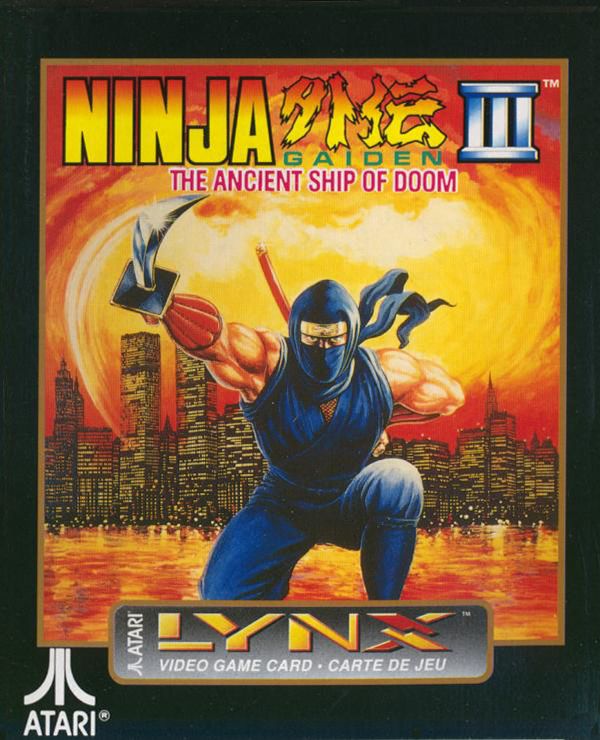
The Atari Lynx port retains the core visual identity of the NES original, though everything is slightly compressed to accommodate the handheld’s smaller display. Colors are punchier on the Lynx’s backlit screen, but you may notice occasional sprite flickering during frantic encounters. Still, for fans who want a portable slice of Ninja Gaiden III, the Lynx version delivers a faithful aesthetic that captures the game’s intense atmosphere.
Story
Ninja Gaiden III picks up some time after Ryu Hayabusa’s victory over Ashtar and the resurrected Jaquio, but the narrative wastes no time thrusting players back into peril. Irene Lew, Ryu’s trusted ally, is dispatched to spy on a covert factory built for nefarious ends—only to be apparently slain by an impostor masquerading as Ryu himself. This deceit sets off a chain reaction of misunderstandings and emotional stakes.
Learning of Irene’s “death” and the slander that falsely brands him a murderer, the real Ryu must not only clear his name but also prevent the factory’s hidden purpose from coming to fruition. Though story interludes are conveyed through brief cut-scenes and text boxes, they retain the series’ signature noir-inspired drama. The narrative may feel truncated by today’s standards, but each revelation effectively heightens urgency as players barrel through increasingly perilous environments.
What truly elevates the plot is its seamless integration with level design — every factory corridor, conveyor belt, and subterranean tunnel underscores the sense of espionage and betrayal. The impostor twist adds emotional resonance to Ryu’s relentless quest for justice, making each boss battle feel like more than just a test of skill. While the story is concise, it packs enough intrigue to keep you hooked until the final showdown.
Overall Experience
Ninja Gaiden III: The Ancient Ship of Doom represents both the culmination of the NES trilogy and one of the most unforgiving entries in the series. Its blend of razor-sharp difficulty, innovative vertical stages, and new combat techniques delivers a high-octane challenge tailored to hardcore action aficionados. Casual gamers, however, should be prepared for repeated trial-and-error and meticulous pattern memorization.
The game’s presentation—complete with the haunting soundtrack, dramatic cut-scenes, and tight enemy placement—maintains the franchise’s reputation for cinematic flair. Even after decades, the tension of racing against time in a collapsing factory or dueling a relentless cybernetic leviathan remains thrilling. The US release’s tougher parameters might seem punitive, but they reward players who rise to the occasion with a profound sense of mastery.
Overall, Ninja Gaiden III stands as a testament to the NES’s enduring capabilities and Tecmo’s vision for ninja action. Whether experienced on the original console or the handheld Lynx, this installment challenges and rewards in equal measure. For collectors and retro enthusiasts seeking a quintessentially brutal yet fair platformer, Ryu’s final NES outing is an essential conquest.


Reviews
There are no reviews yet.