 Retro Replay Retro Gaming History, Reviews & Emulation
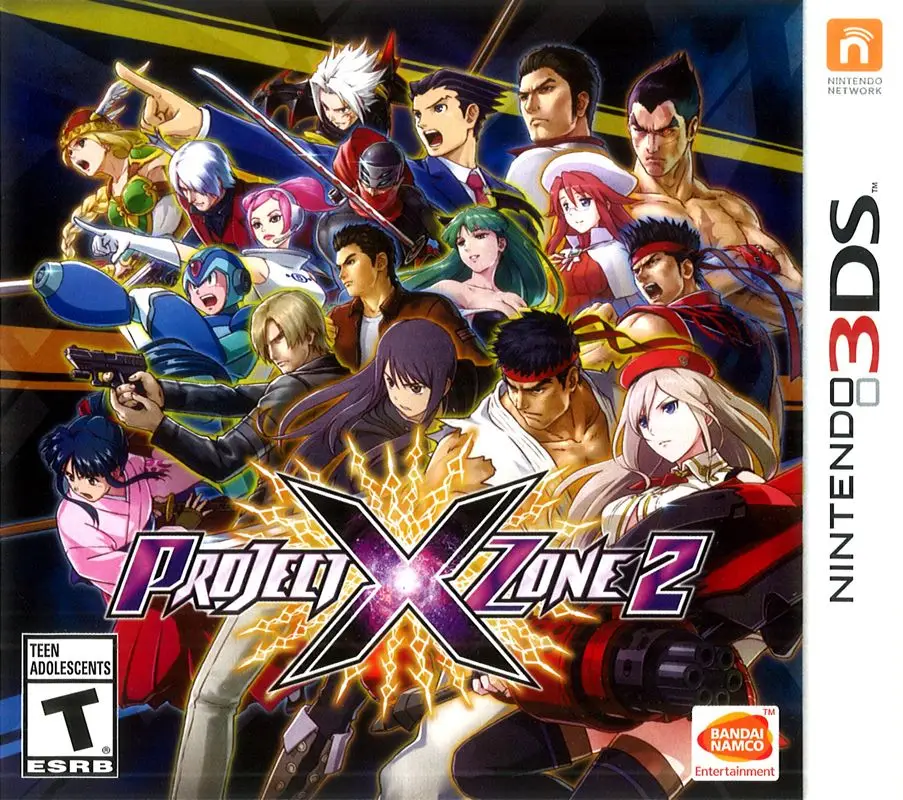


Game Overview
Gameplay
Project X Zone 2 is at its most satisfying when a careful move across the grid leads directly into a sharp, well-timed attack string. You alternate between tactical positioning and one-on-one combat, so success is not only about reaching an enemy. It is also about making the most of the encounter once it begins. That hybrid approach gives each turn more texture than a tactics game that simply resolves attacks automatically.
Pairing units is central to the strategy, and it gives the crossover concept a practical purpose beyond putting familiar faces in the same game. Deciding how to arrange your forces and move them toward the enemy supplies the slower, deliberate half of the experience. Then the combat sequences ask for good timing as you build combos and push for as much damage as possible before the turn ends. When both halves line up, it feels like you have executed a plan rather than merely selected an attack.
The catch is that the game asks you to repeatedly shift from measured board play to active combo execution. That is a great rhythm for gamers who want involvement in every engagement, but it can become tiring if you mainly came for large-scale tactical decision-making. The battles have more immediate energy than standard turn-based exchanges, yet that same focus can make the pace feel drawn out over a long session. Go in because the mix sounds exciting, not because you expect a streamlined strategy game.
Story
The main draw is the crossover itself: characters from Capcom, Bandai Namco, Sega, and Nintendo share the same tactical RPG stage. That broad mix gives the adventure its personality and makes the roster the obvious reason to care. If these companies’ games already mean something to you, seeing their characters gathered into one campaign is a stronger hook than the premise would be for someone with no attachment to the lineup.
Overall Experience
Project X Zone 2 knows exactly what kind of indulgence it is. It turns a massive crossover into a game where you are not just collecting familiar names, but arranging them on a battlefield and personally driving their attacks. The result is more hands-on than many tactical RPGs, with a satisfying connection between planning your position and delivering damage in combat.
Its biggest strength is also the reason it will not land for everyone. The grid-based strategy and timed combo battles are inseparable, so neither side exists as a brief diversion from the other. You need to enjoy both the patient setup and the repeated execution. Gamers who like tactical RPGs but dislike action inputs may find the combat interruptions fussy, while combo-game fans may wish the strategy layer moved faster.
For the right audience, though, the payoff is real. This is an easy recommendation if you want a Nintendo 3DS tactics game that treats every engagement like a small performance and you are excited by its cross-company cast. It is less convincing as a pure strategy pick, but its unusual blend has enough personality and player involvement to make it worth meeting on its own terms.

Reviews
There are no reviews yet.