 Retro Replay Retro Gaming History, Reviews & Emulation

Retro Replay Review
Gameplay
The first hour makes a strong case for itself: you are immediately moving a small band of soldiers across tactical maps, weighing safe attacks against aggressive plays, and learning that where a unit stands can matter as much as whom they strike. Awakening is turn-based strategy with enough role-playing texture to make its battles feel less like disposable puzzles and more like the ongoing history of a growing army.
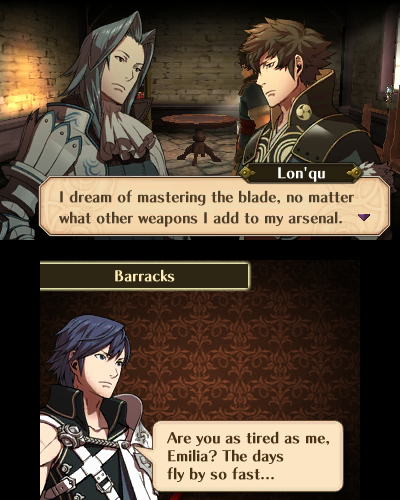
Pairing allies is the central hook. Two soldiers can fight together, and repeated cooperation strengthens their relationship, improving what they can do as a pair. It is an elegantly practical system because it asks you to think about combat and character connections at once. You will start arranging allies for a tactical edge, then find yourself preserving those same duos because you have become invested in their progress.
The Casual and Classic choices make the game unusually easy to recommend across skill levels. Casual mode lets fallen units recover after the battle, so you can experiment and recover from a bad turn. Classic mode makes losses permanent, turning every exposed ally and every uncertain advance into a real decision. Four difficulty settings further help you find the pressure level you want. If you are new to the series, Casual is not a lesser way to play; it is a good route into a game with plenty of tactical demands already.
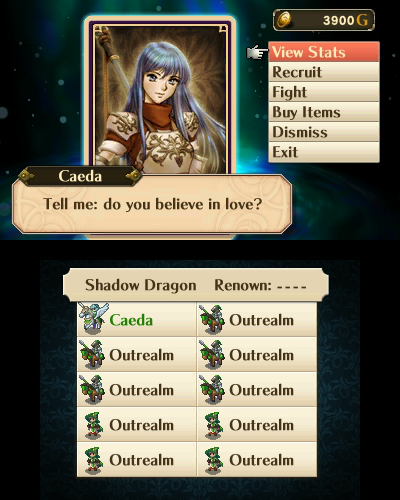
There is more to do beyond the main chapters, too. Earlier maps can receive visits from Risen and merchants, while StreetPass teams let you battle, trade with, or potentially recruit another player’s avatar. Dual Tag offers cooperative fights, and downloadable chapters add further battles and returning heroes. These extras suit a game built around developing a roster rather than merely finishing a campaign and moving on.
Graphics
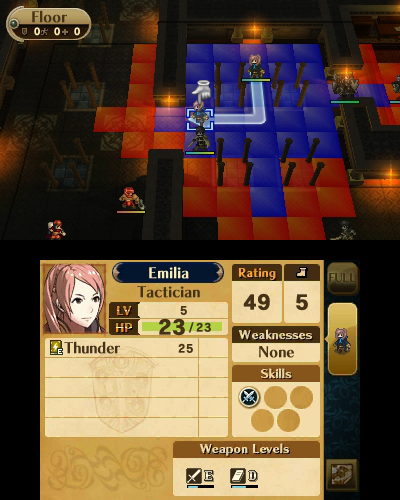
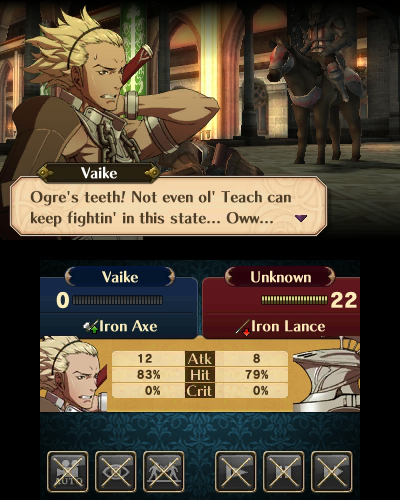
Awakening uses a diagonal-down tactical viewpoint for its battlefields, making unit placement and the shape of a fight easy to follow. Its fantasy war setting is framed through anime and manga-styled characters, from Chrom and the Shepherds to the masked swordsman invoking the name Marth.
Story
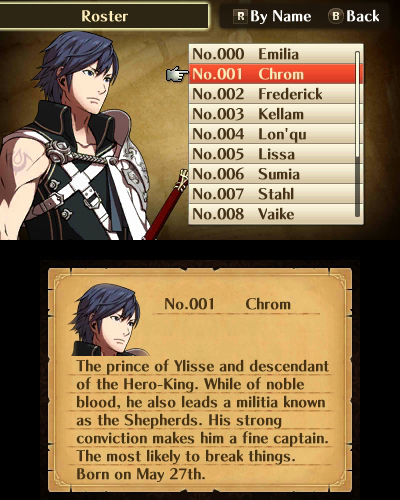
Awakening begins with a useful sense of momentum. Chrom, prince of Ylisse, meets an amnesiac strategist—your avatar—and quickly finds the kingdom threatened by the undead Risen. The early conflict has a clean, compelling purpose: hold back the monsters, protect Ylisse, and discover what the mysterious masked swordsman calling himself Marth is doing in the middle of it all.
The story has a broader war to carry alongside that supernatural threat, as Ylisse faces the hostile nation of Plegia. That combination gives the campaign room to move between immediate battlefield danger and larger political stakes without losing Chrom and the Shepherds as its center.
Your avatar is more than a silent bystander in the setup. You choose their appearance and combat specialties, then place them at Chrom’s side as an aide. Relationships can grow into marriage between opposite-sex pairs, and their children can later join as soldiers, so the army’s personal connections feed back into its long-term shape. Series fans can also trace the setting back centuries after the world of Fire Emblem.
Overall Experience
Fire Emblem: Awakening earns its reputation because it makes strategy feel intimate. A successful turn is not just a number going up or an enemy disappearing; it is a saved ally, a well-timed pair, and another step in the development of a force you have actively shaped. That is a potent loop, especially once several relationships and combat roles are in motion.
Frustration depends heavily on the mode you choose. Classic makes mistakes sting, which is exactly the point if you want high stakes, but it can turn a costly battle into a hard lesson. Casual softens that edge without removing the need to read the map and manage your team. Choose according to whether you want every loss to be final or every map to be a chance to learn.
This is an easy recommendation for anyone who wants character-driven tactical RPG battles with real room for personal choice. It has the accessibility to welcome a newcomer and enough consequence in Classic mode to satisfy a veteran. For additional background on the game itself, see Fire Emblem Awakening’s history and release information. The payoff is a campaign where tactical planning and attachment to your squad keep strengthening each other.


Reviews
There are no reviews yet.