Retro Replay Retro Gaming History, Reviews & Emulation
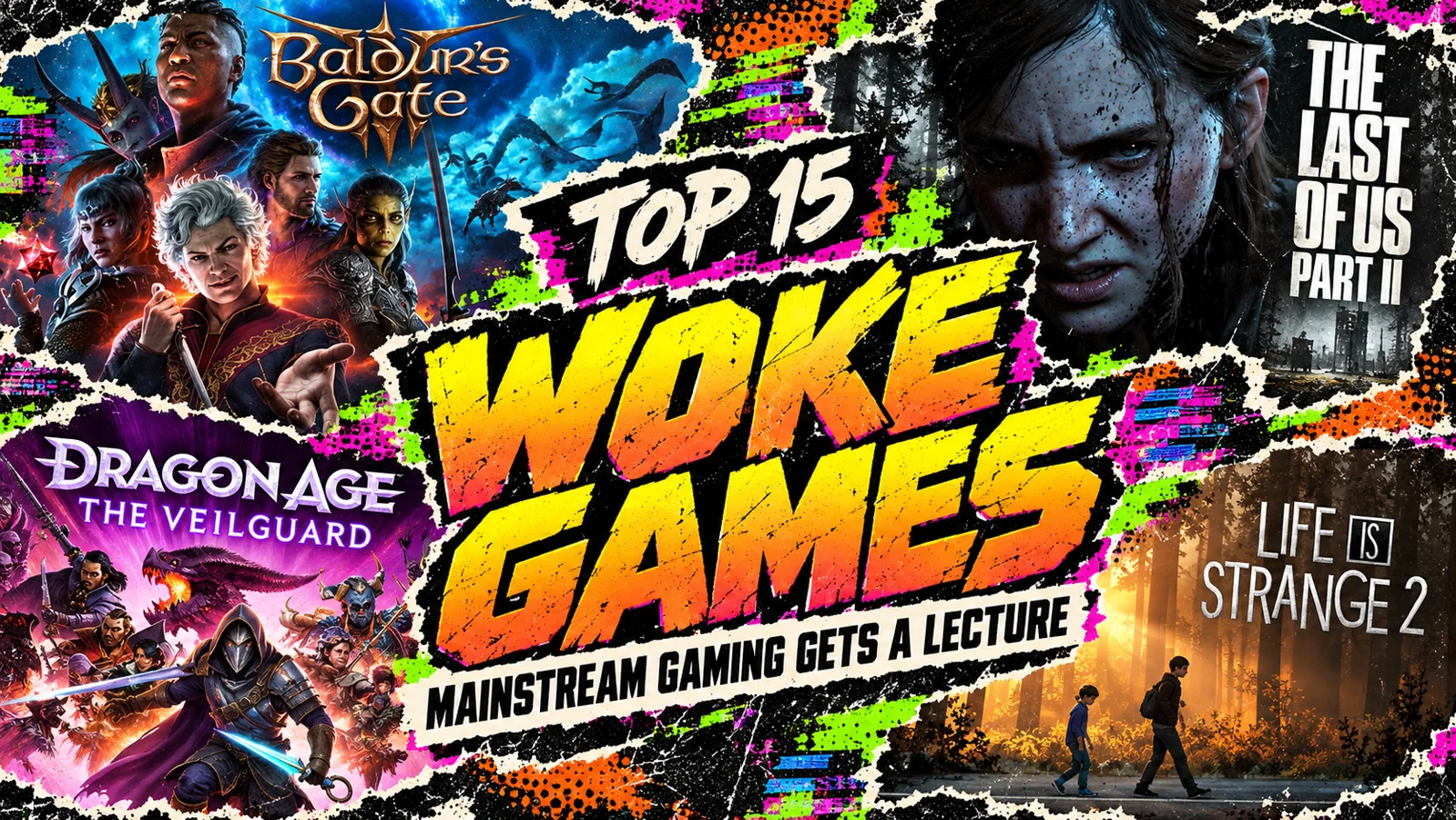
Opinion and satire. Contains story spoilers.
You sit down for dragons, racing through a futuristic arena, or a little cartoon paint warfare. Then the character menu asks about identity, the publisher announces another representation milestone, and the dialogue stops to explain a social lesson. For players tired of corporate inclusion campaigns, the pattern is becoming familiar.
This countdown looks at specific choices: pronoun settings, romance systems, identity-related storylines, public collaborations, and publisher statements. The rankings are editorial judgments. “Woke” is a contested label; a documented feature does not automatically prove a DEI mandate or explain a game’s quality. The jokes below take aim at the messaging and its delivery.
15. 007 First Light
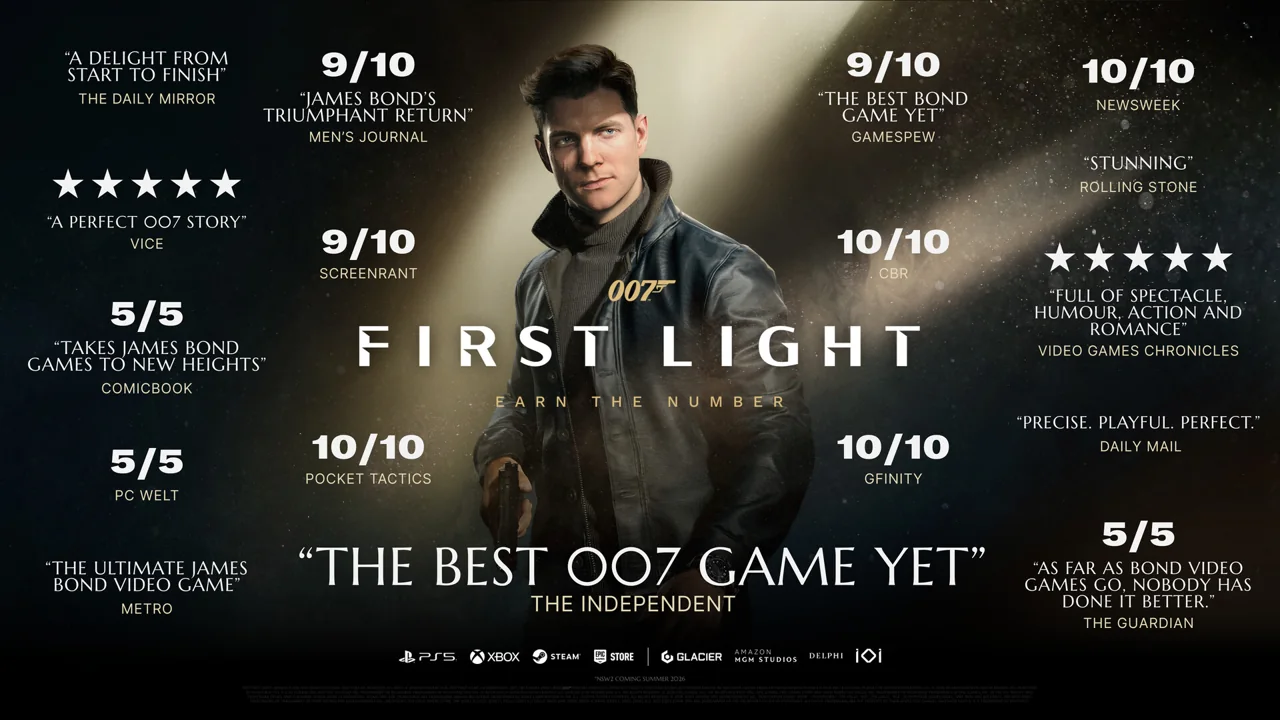
007 First Light deliberately revises classic Bond attitudes to reflect contemporary social expectations. Asked whether Bond would still be a smooth talker and womanizer, narrative director Martin Emborg said those elements remain, but stressed “modern values” and described an unchanged “old school Bond” as “tone deaf” today. The modernization is an explicit creative position, rather than something inferred solely from the cast.
Its supporting characters include Priyanga Burford as M and Kiera Lester as Moneypenny. Emborg also described experienced women in the field who would run circles around the younger Bond. This origin story places him among seasoned agents, with female authority and his relative inexperience forming part of that dynamic. Female M and Black Moneypenny portrayals already existed in the films; the game’s broader presentation is the point under debate.
The criticism is the combination of a more idealistic young hero, updated legacy-character casting, and publicity explaining which older attitudes need adjusting. For fans drawn to Bond’s confidence, excesses, and irreverence, that approach can sound like a promise to make him more socially acceptable at the expense of his edge.
The core remains an espionage adventure, but the cultural renovation is being sold alongside it. Bond can still charm his way through danger—provided the charm reflects the approved modern outlook. Apparently a license to kill is easier to renew than a license to behave like classic Bond.
IO Interactive’s interview about reinventing Bond.
14. Splatoon 3
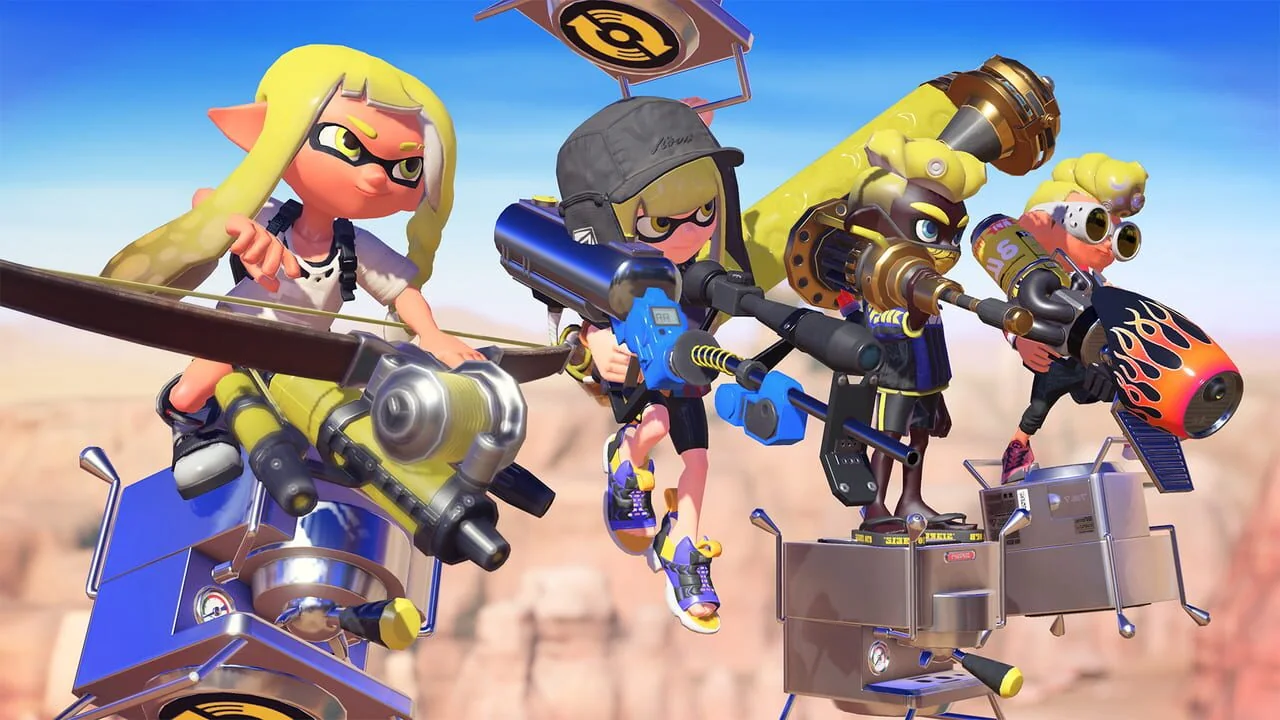
Splatoon 3 changes character creation from the earlier boy-or-girl choice to a selection of styles. Hairstyles are available across those presentations, removing previous gender restrictions on those appearance options.
Side Order’s Acht is referred to with they/them pronouns in English material. The plaza can also feature Pride flags and identity-related messages through player-submitted drawings, bringing real-world social discussion into the game’s community spaces. Those drawings come from players rather than Nintendo’s script.
The criticism concerns customization and presentation, rather than a main story built around politics. For audiences weary of identity debates, even a colorful family-oriented paint shooter can start feeling connected to the same arguments they encounter elsewhere.
Players came to choose a weapon and cover the floor. Somehow the character menu and plaza have become another cultural discussion. A game about cartoon squids should not need this much commentary before anyone picks up a paint roller.
The customization changes documented by Inkipedia · Nintendo introduces the Side Order cast.
13. Apex Legends
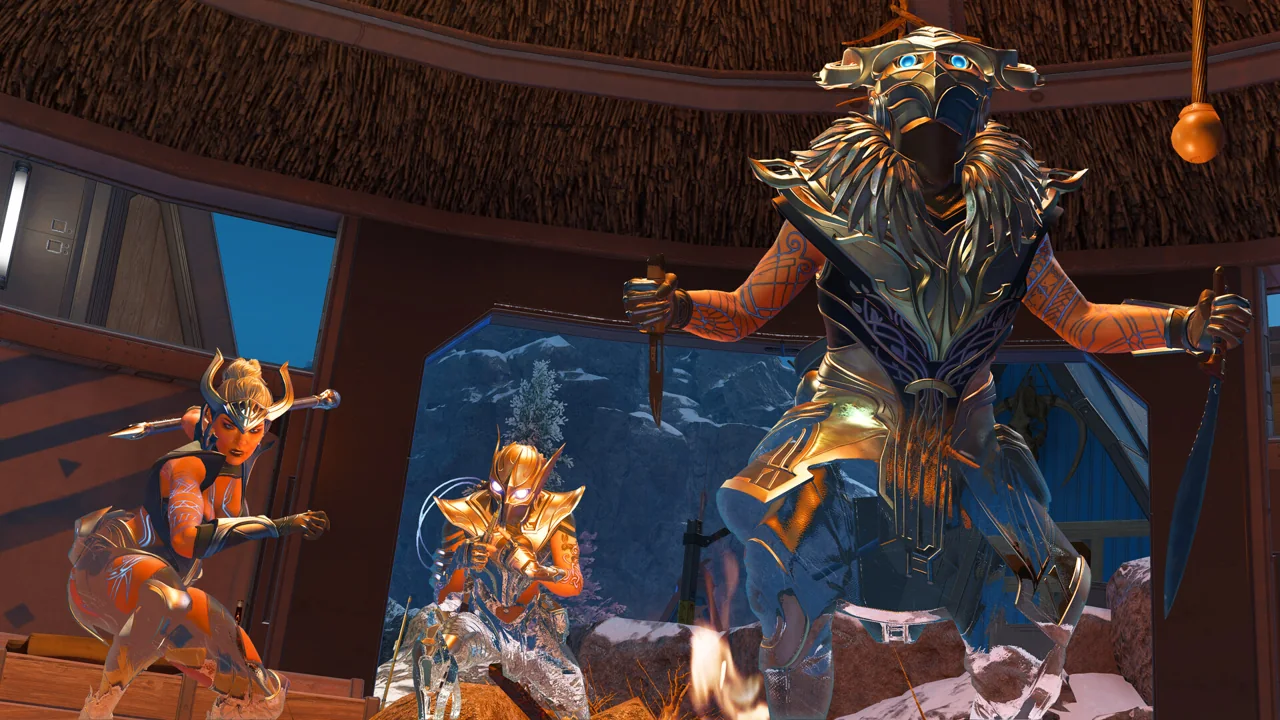
Apex Legends makes sexual orientation and gender identity part of its expanding character lore. Gibraltar is gay, Valkyrie is lesbian, Loba is bisexual, Fuse is pansexual, Bloodhound is non-binary, and Catalyst is a transgender woman. These details emerge through stories, dialogue, biographies, and character promotion.
The inclusion effort also has documented organizational support. EA highlighted Catalyst in its impact reporting, while GLAAD described collaborating with the developers on the character. Representation is therefore part of both the fictional roster and the company’s public account of its work.
The criticism concerns how character introductions become opportunities to promote corporate values. These identities mostly affect lore and presentation rather than combat rules, but their repeated celebration can make the marketing feel like an inclusion campaign attached to a competitive shooter.
For players concerned with team balance, abilities, and surviving the next fight, the priorities can feel mismatched. You want to know what the new Legend brings to the squad. The company wants you to know what the Legend brings to its impact report.
EA’s 2023 impact report on Catalyst · GLAAD documents its Catalyst collaboration.
12. Baldur’s Gate III
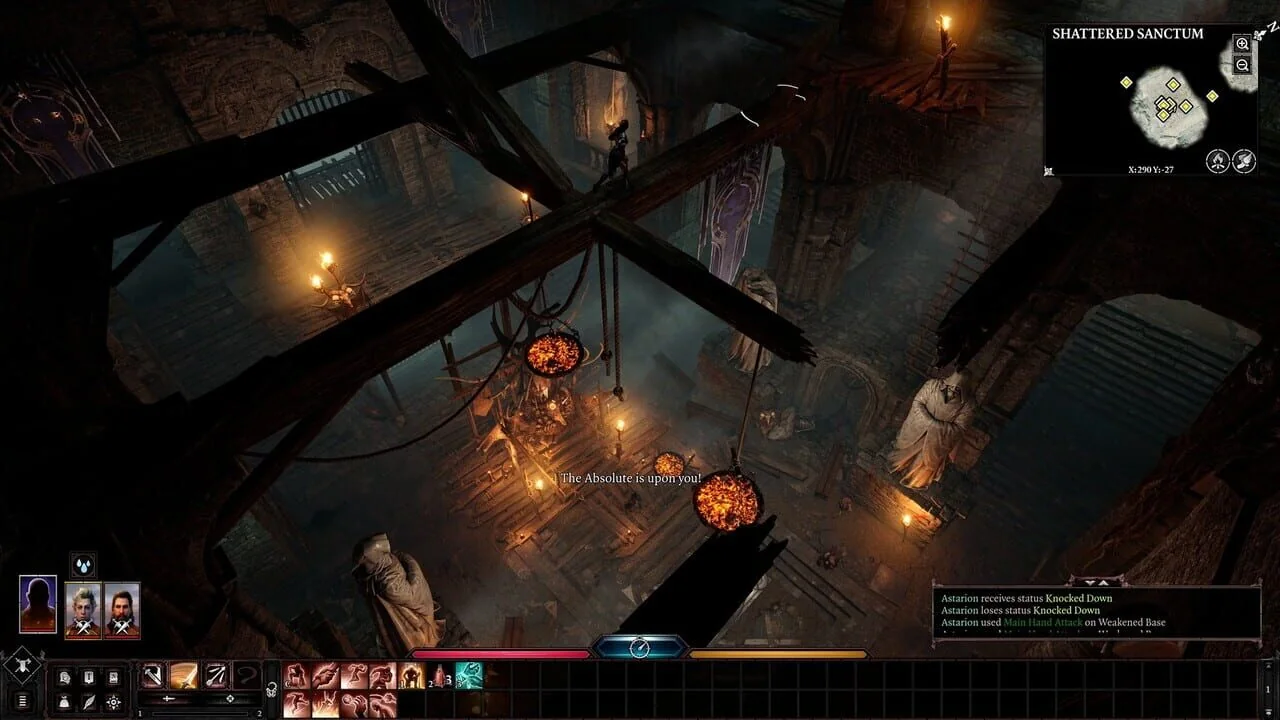
Baldur’s Gate III builds contemporary identity choices into character creation and companion relationships. Players can select body type, voice, gender identity, and genital appearance independently. A non-binary option includes voiced they/them references, with actors brought back to record additional dialogue.
Its eight major romance options—including Astarion, Shadowheart, Karlach, and Halsin—are available regardless of the player’s gender. Approval and story choices develop these relationships across multiple acts, including same-sex intimacy scenes. Halsin also offers a polyamorous arrangement with certain partners, although other companions reject sharing.
Larian openly emphasizes personal expression as a design goal. The criticism is how extensively modern identity and relationship preferences shape the experience: these choices reach beyond an optional biography into dialogue, romance, and recurring camp interactions.
For players wanting a more traditional fantasy adventure, that emphasis can feel distracting. There’s a parasite in your head and danger around every corner, but the camp still has time for an extensive relationship discussion. Saving the world apparently requires sorting out everyone’s dating arrangements first.
Larian explains its character creator · The romance system and its restrictions · Larian discusses the character creator · Baranova describes recording the pronoun variants.
11. Borderlands 4
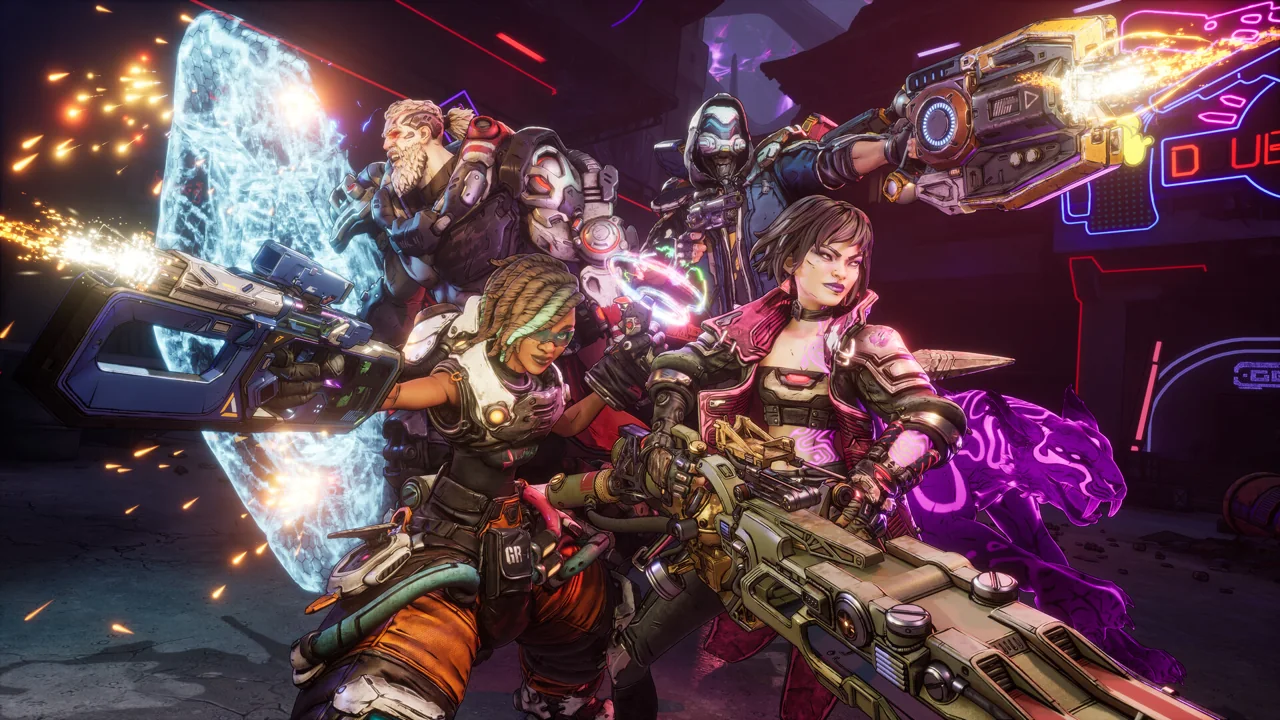
Borderlands 4’s inclusion debate centers on its Vault Hunter designs, gender-inclusive localization, and responses to criticism. Some critics describe the new ensemble as more concerned with representation than the exaggerated personalities that defined the series. That is a judgment about presentation, rather than proof of a design quota.
The franchise already included the non-binary FL4K in Borderlands 3, using they/them pronouns. A separate localization controversy involved a German player’s account of warnings and a ban after repeated questions about inclusive language, reported by Smash JT. The available account does not establish a blanket ban on asking such questions.
The criticism is the tension between Borderlands’ irreverent image and a public conversation increasingly dominated by acceptable wording and identity conventions. Its rebellion against a dictator remains the core plot; the moderation dispute is a separate issue.
For players expecting carefree, exaggerated satire, the atmosphere can feel strangely bureaucratic. A series famous for outrageous guns now has fans discussing localization policy. Apparently even the chaos needs its wording approved.
The official Borderlands 4 overview · The reported German-language moderation dispute.
10. The Elder Scrolls Online
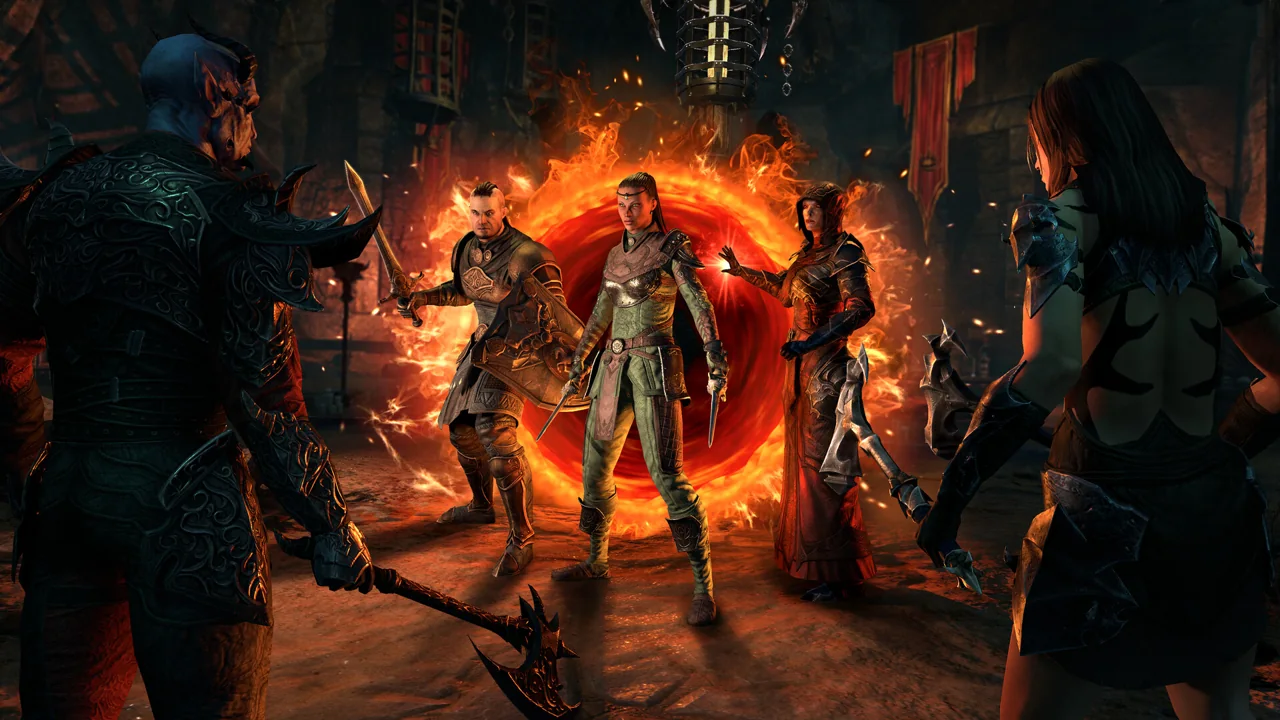
The Elder Scrolls Online incorporates same-sex relationships, gender-independent player partnerships through the Pledge of Mara, and identity-related character stories. Summerset’s Alchemy has a transgender backstory, making transition part of a specific quest character’s history.
Update 44 introduced Tanlorin, a non-binary High Elf Dragonknight companion voiced by Vico Ortiz. Representation therefore appears across NPC relationships, quests, and recruitable companions. The character creator still offers male and female choices rather than a separate pronoun-selection system.
The criticism is how readily contemporary identity categories and representation announcements enter an elaborate fantasy setting. When a companion’s introduction foregrounds inclusion, players may feel they are being given a cultural message before a compelling reason to know the character.
For audiences wanting Tamriel to feel distant from everyday social debates, that emphasis can weaken the escape. Ancient gods, strange magic, and centuries of lore—and the announcement still sounds familiar enough to have come from the office newsletter.
The official Update 44 companion feedback thread · Alchemy and the Summerset quest · The Ritual of Mara.
9. The Sims 4
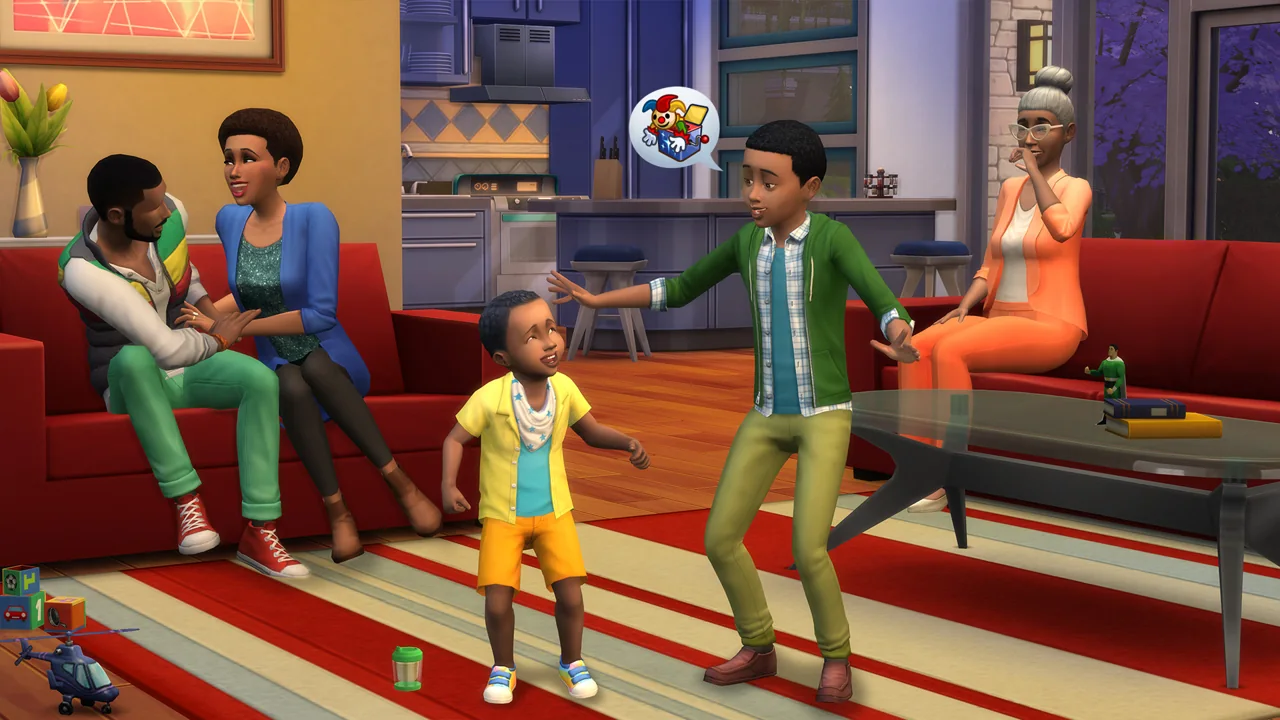
The Sims 4 turns gender identity, pronouns, and relationship preferences into detailed simulation settings. Players can customize appearance, clothing preferences, voice, and gender-related characteristics, alongside he/him, she/her, they/them, and custom pronouns in English. Sexual-orientation settings determine romantic and sexual attraction.
Romantic boundaries also let players adjust jealousy, accommodating relationships involving multiple partners. EA collaborated with GLAAD and the It Gets Better Project on pronouns, explicitly connecting the feature to its inclusion goals.
The criticism is how thoroughly contemporary identity language has become part of building a household. A sandbox once associated with home design and chaotic domestic behavior increasingly presents self-expression and relationship configuration as major features.
For players tired of inclusion campaigns, the publicity can feel more earnest than the simulation deserves. Your Sim has carefully chosen pronouns and sophisticated romantic boundaries, yet still needs help getting dinner out of the oven. The relationship settings have advanced faster than the household survival skills.
EA’s guide to relationship and attraction settings · EA announces customizable pronouns · EA explains sexual orientation settings.
8. Assassin’s Creed Shadows
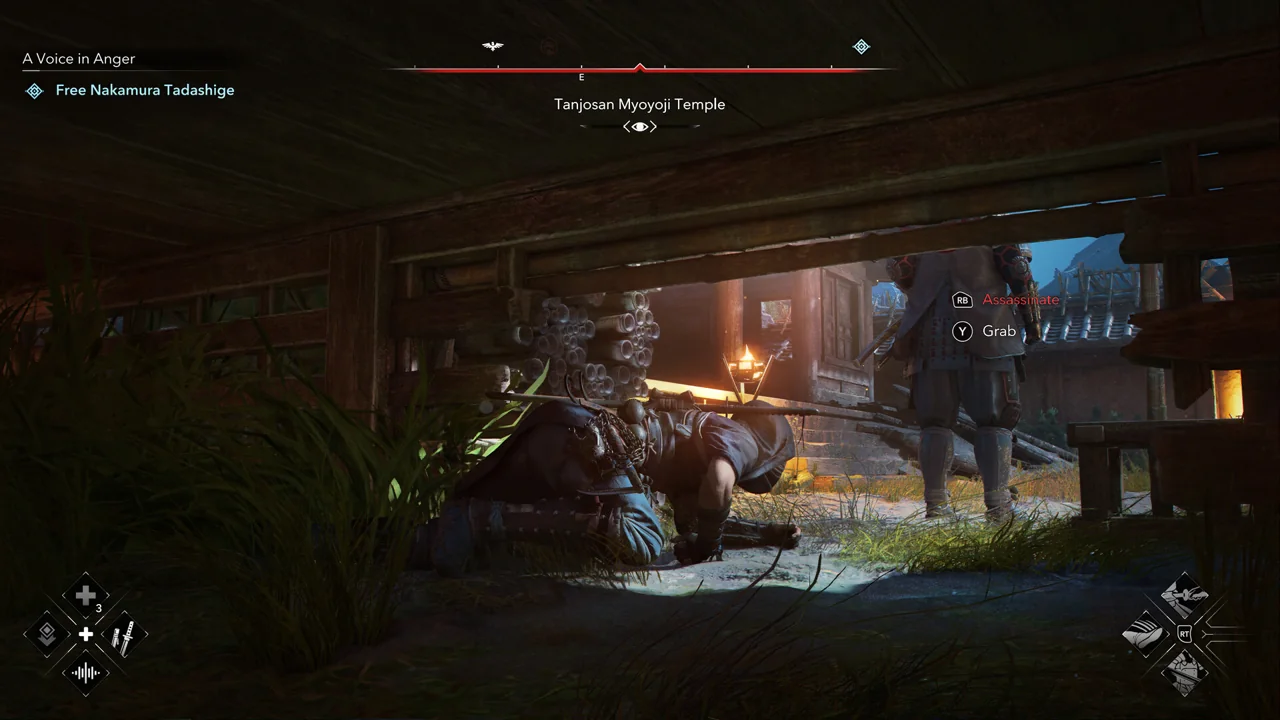
Assassin’s Creed Shadows puts its protagonist choices at the center of the inclusion debate. Ubisoft pairs Naoe, a fictional Japanese female shinobi, with Yasuke, its interpretation of the historical African man associated with Oda Nobunaga. Yasuke becomes the game’s combat-focused samurai lead.
Ubisoft described gaps in Yasuke’s recorded life as room for its fictional story. Critics questioned the prominence of that interpretation and the absence of a Japanese male lead in a setting fans had requested for years. Yasuke’s historical existence is established; the game’s portrayal and emphasis remain creative choices.
The complaint is that a long-awaited Japanese adventure arrived with representation and historical interpretation dominating the conversation. Players can question that choice without pretending the real Yasuke never existed or claiming an undocumented casting quota.
For audiences seeking immersion, the argument around the protagonists can overshadow the setting itself. Ubisoft finally delivered feudal Japan—and managed to make the discussion about who received top billing louder than the assassinations.
Ubisoft explains why it chose Naoe and Yasuke.
7. Far Cry 6
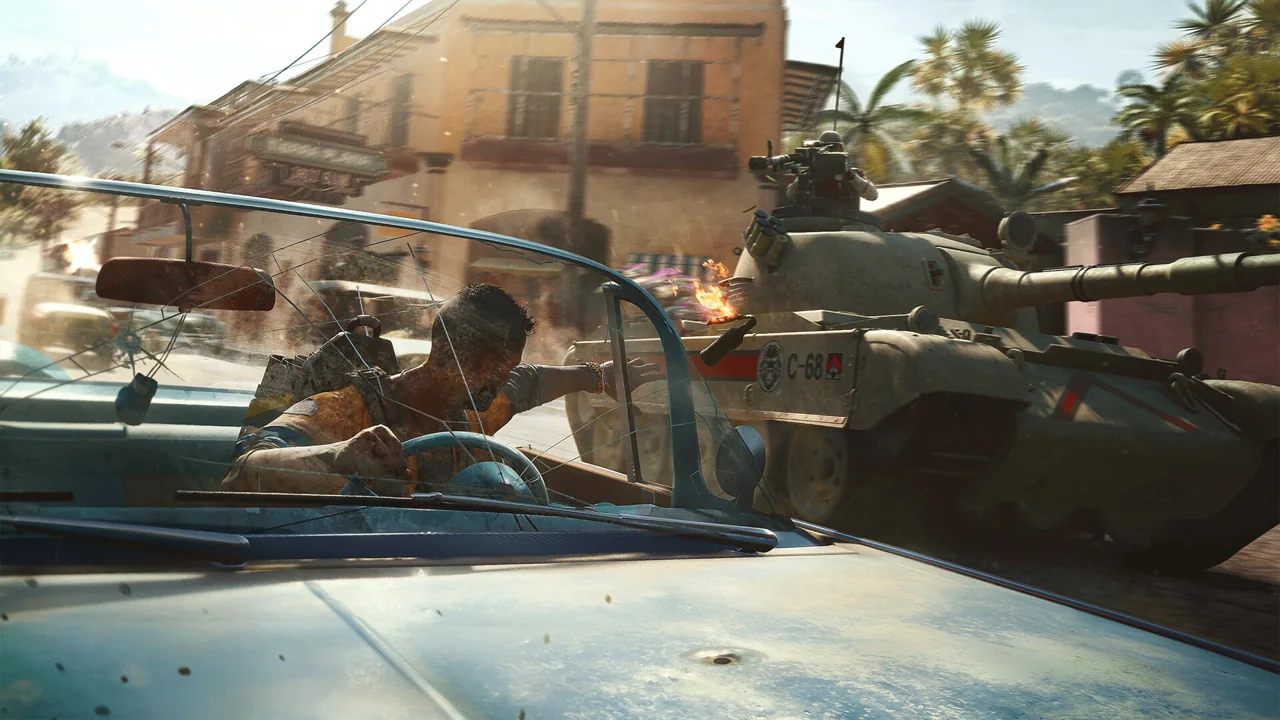
Far Cry 6 deliberately incorporates political and identity-related themes into its revolution. Ubisoft identified LGBTQ+ rights alongside fascism, imperialism, forced labor, and fair elections as subjects the story addresses.
Paolo is a transgender guerrilla whose backstory includes rejection after transitioning. Rosa Mel Paquete is a gay drag performer who gains access to regime forces while working for the resistance. Their identities connect to personal histories and faction stories rather than appearing only in promotional biographies.
Narrative director Navid Khavari discussed casting trans masculine actor Xavier Lopez and drag performer Selena Vyle as part of an authentic approach. The criticism is how prominently the development publicity and character material emphasize representation within the action adventure.
For players seeking a straightforward uprising against a dictator, the earnest messaging can clash with the series’ exaggerated destruction. One moment demands reflection on oppression; the next hands you another weapon. The revolution has a social statement, a casting statement, and an unusually large ammunition budget.
Ubisoft’s statement on the game’s politics · Khavari discusses Paolo, Rosa, and casting.
6. Overwatch
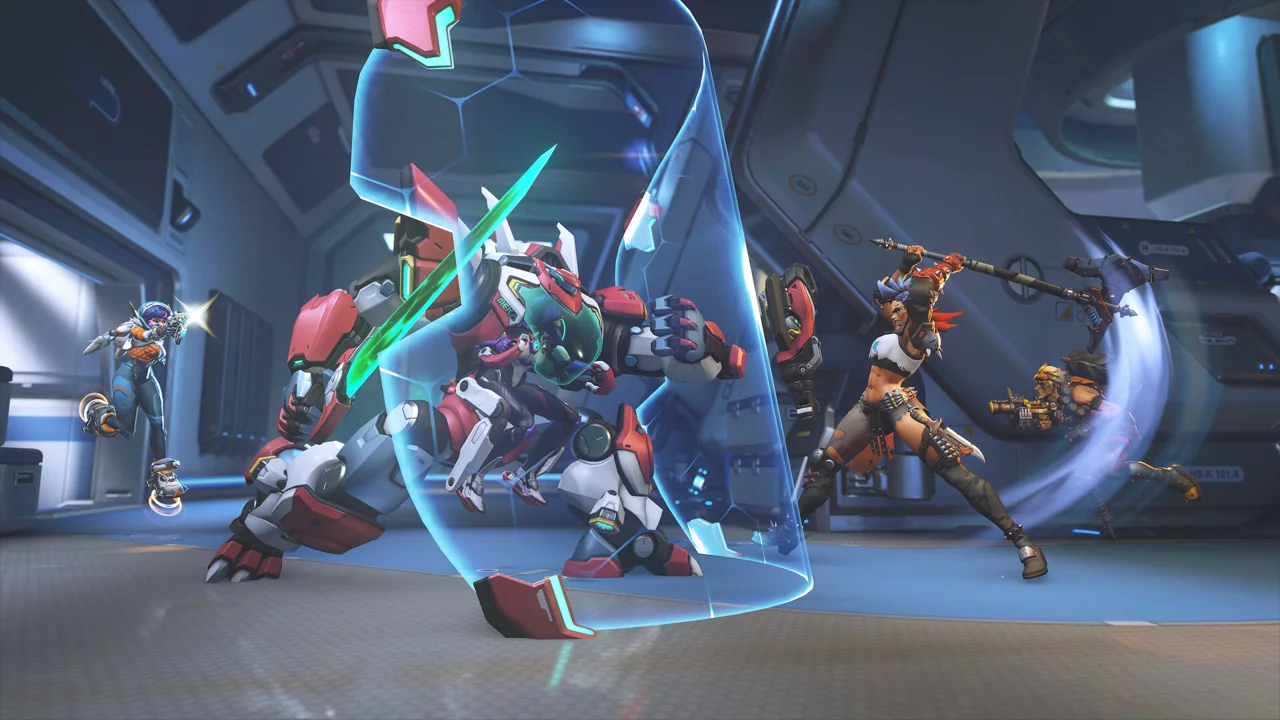
Overwatch makes LGBTQ+ representation a recurring part of its character lore and promotion. Tracer has a girlfriend, Soldier: 76 has a past boyfriend, Lifeweaver is pansexual, Baptiste is bisexual, Pharah is lesbian, and Venture is non-binary. These details appear through stories, dialogue, and official announcements.
Blizzard’s Pride events add themed icons, name cards, and other promotional material. Overwatch characters also appeared in demonstrations of Activision Blizzard’s Diversity Space Tool, which measured aspects of representation. Director Aaron Keller clarified that the team tested it but did not actively use it in development.
The criticism is the repeated conversion of character identity into a corporate announcement. Most of these details concern lore and branding rather than match rules, but the ongoing celebration can make the promotional campaign feel more prominent than the fiction.
For players interested in abilities and team balance, another representation announcement may feel beside the point. You want to know who can hold the objective. The publicity wants to explain what the roster demonstrates about the company. Apparently the hero selection screen needs a mission statement.
Blizzard’s 2023 Pride announcement · Aaron Keller clarifies the diversity tool role.
5. Suicide Squad: Kill the Justice League
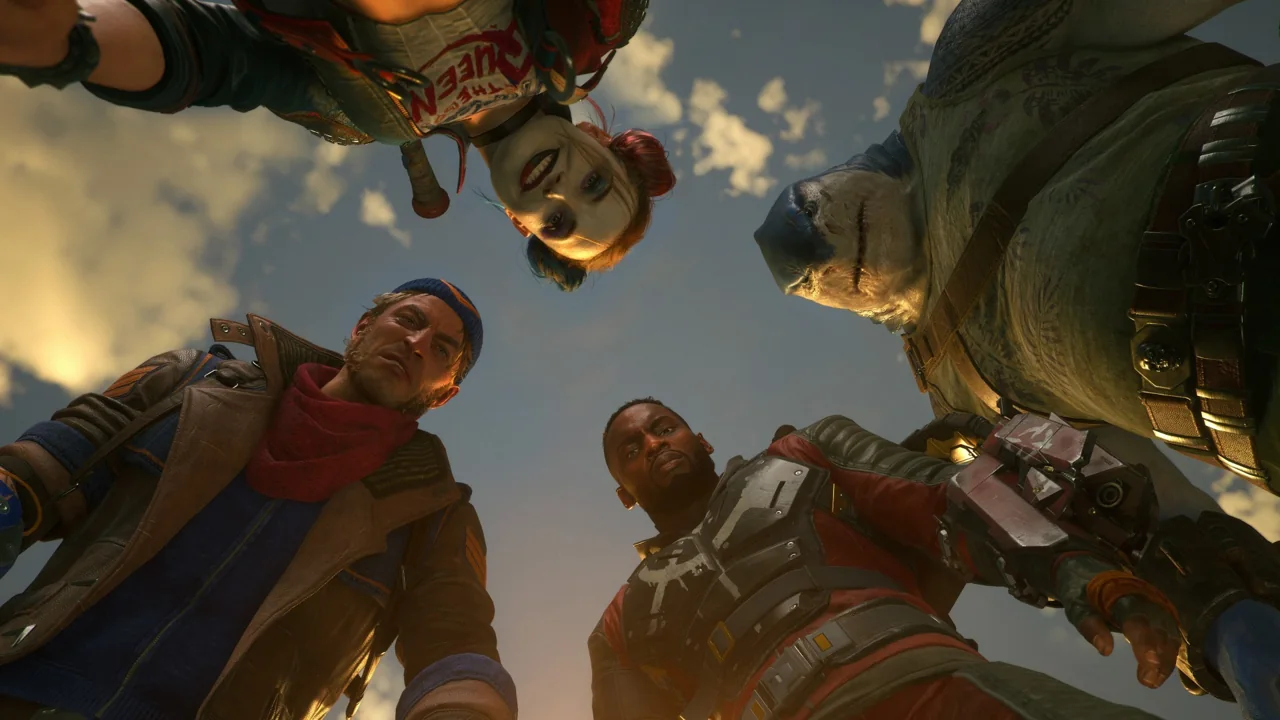
Suicide Squad: Kill the Justice League combines LGBTQ+ representation with revisions to familiar characters. Harley Quinn is bisexual, Pride-themed cosmetics form part of its promotional content, and Season 2 introduces an alternate-universe Mrs. Freeze whose story centers on saving her frozen wife.
Sweet Baby Inc. contributed background writing, including advertisements, audio logs, and NPC dialogue. Its involvement is documented, but that does not establish that it chose the main storyline or the decision to turn the brainwashed Justice League into targets.
The criticism is the combination of representation branding, legacy-character reinvention, and a premise that asks players to attack heroes they previously loved. Mrs. Freeze supplies the clearest identity-related update to an established concept; whether that reinvention offers compelling characterization is the creative question.
For fans attached to Rocksteady’s Batman games, the package can feel like a peculiar set of priorities. Familiar heroes become targets, familiar concepts receive updates, and another season brings another announcement. The franchise makeover has plenty to say; giving players a reason to care remains the harder job.
The official Season 2 description of Mrs. Freeze · Kim Belair describes the background-writing work.
4. Watch Dogs: Legion
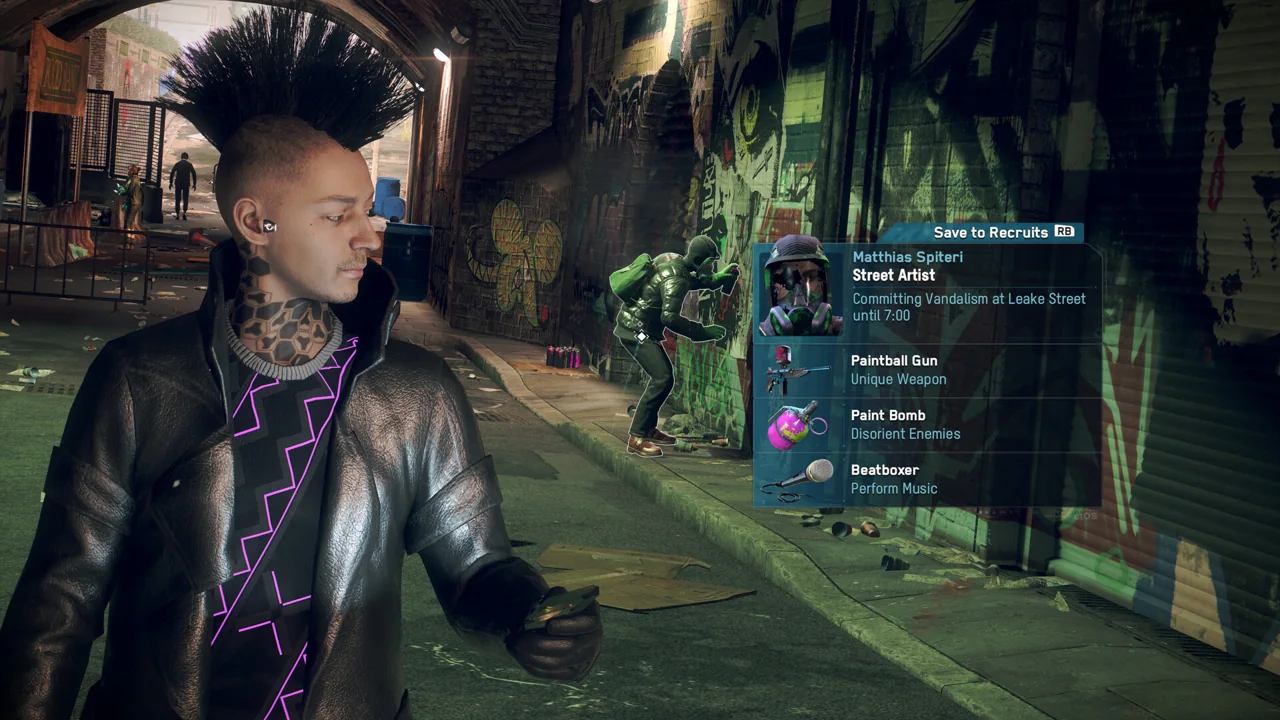
Watch Dogs: Legion builds its resistance story around authoritarian surveillance, militarized private security, nationalism, and hostility toward migrants. Detention and deportation feature in its version of London, giving the hacking adventure a clear political framework.
Recruitable citizens have biographies that can include same-sex relationships and other identity details. Bloodline also establishes that Wrench has a former husband. Inclusion is woven into both the population system and existing character history.
Ubisoft additionally announced the removal of two Helen Lewis podcast appearances following controversy over her gender-identity comments. That real-world editorial decision provides a specific example of how the publisher’s inclusion stance affected the game’s content.
The criticism is the combination of strongly directed political framing and selective control over the voices players hear. For a game encouraging resistance to information control, the irony is easy to spot: hack the system, challenge authority, and enjoy the commentators who made it through the approved guest list.
WIRED’s examination of Legion’s political world and character system · Ubisoft announces replacement of Helen Lewis appearances.
3. The Last of Us Part II
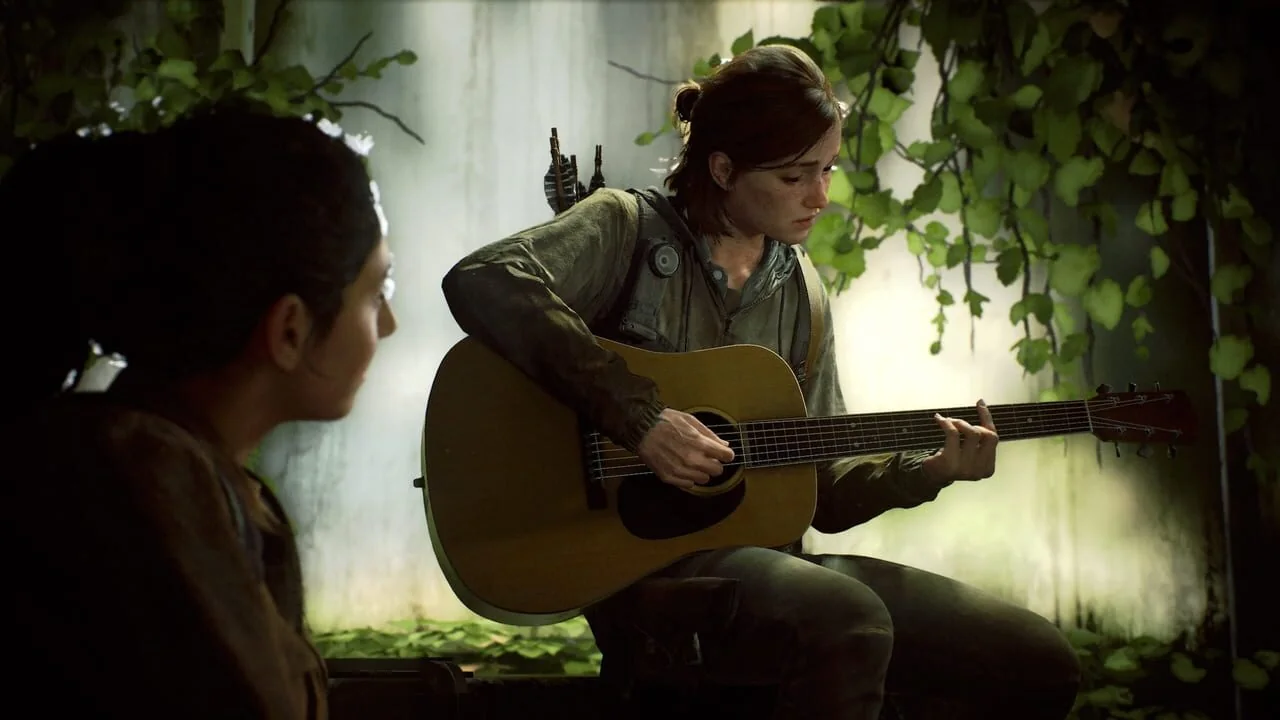
The Last of Us Part II gives sexuality and gender identity substantial roles in its revenge story. Ellie’s relationship with Dina drives major emotional moments and sections of the Seattle journey, while Lev’s transgender identity shapes his conflict with his family and religious community.
These stories affect the central characters rather than remaining background references. Lev’s rejection becomes part of Abby’s journey, and Ellie and Dina’s relationship supplies personal stakes throughout the campaign. Ellie’s orientation was established before the sequel; Part II expands that existing characterization.
The criticism concerns the weight of identity-based persecution inside an already intensely directed moral drama. The game repeatedly asks players to reconsider anger and empathize with opposing characters, leaving some feeling that the story is steering their response too firmly.
For those players, the combined effect is exhausting: revenge, guilt, another perspective, and another lesson. The infected are dangerous, but the script’s determination to supervise your emotions can feel just as relentless.
The official Part II Remastered overview.
2. Life Is Strange 2
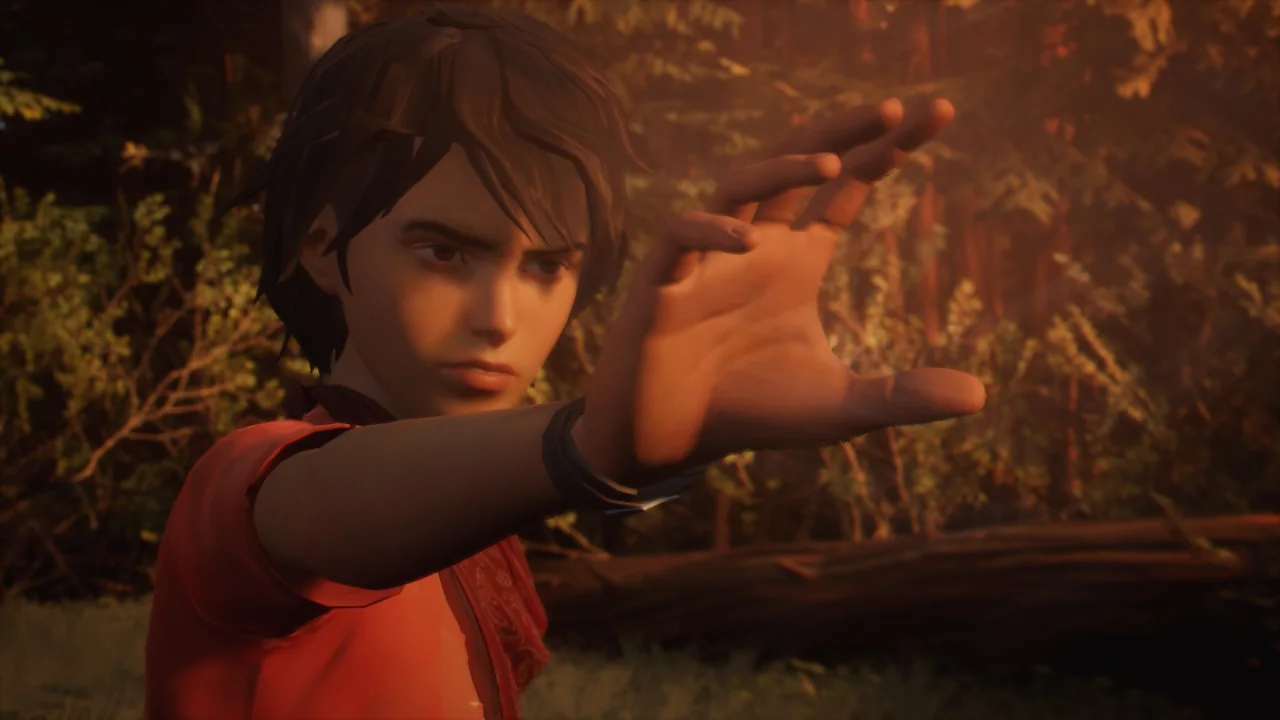
Life Is Strange 2 puts progressive politics at the center of its supernatural road trip. Sean and Daniel Diaz flee toward Mexico after a police officer fatally shoots their Mexican immigrant father. Daniel’s telekinetic powers launch the adventure, but racism, police violence, xenophobia, gun violence, and immigration barriers repeatedly drive its conflicts.
Sean can pursue either Cassidy or Finn, adding female and male romance options, while other encounters address homophobia. These themes run through the brothers’ experiences rather than appearing as occasional background details.
DON’T NOD deliberately incorporated Trump-era politics and consulted on Latino experiences. The criticism is how heavily the writing delivers its message: antagonists and encounters can feel arranged to illustrate another social grievance, leaving less room for surprise or subtlety.
For players seeking a supernatural adventure, that emphasis can become exhausting. Two brothers, one extraordinary power—and seemingly another political lesson around every corner. Daniel can move objects with his mind; the script remains firmly attached to its talking points.
Co-director Michel Koch discusses the game’s political storytelling · Koch discusses the political intentions · The opening episode events.
1. Dragon Age: The Veilguard
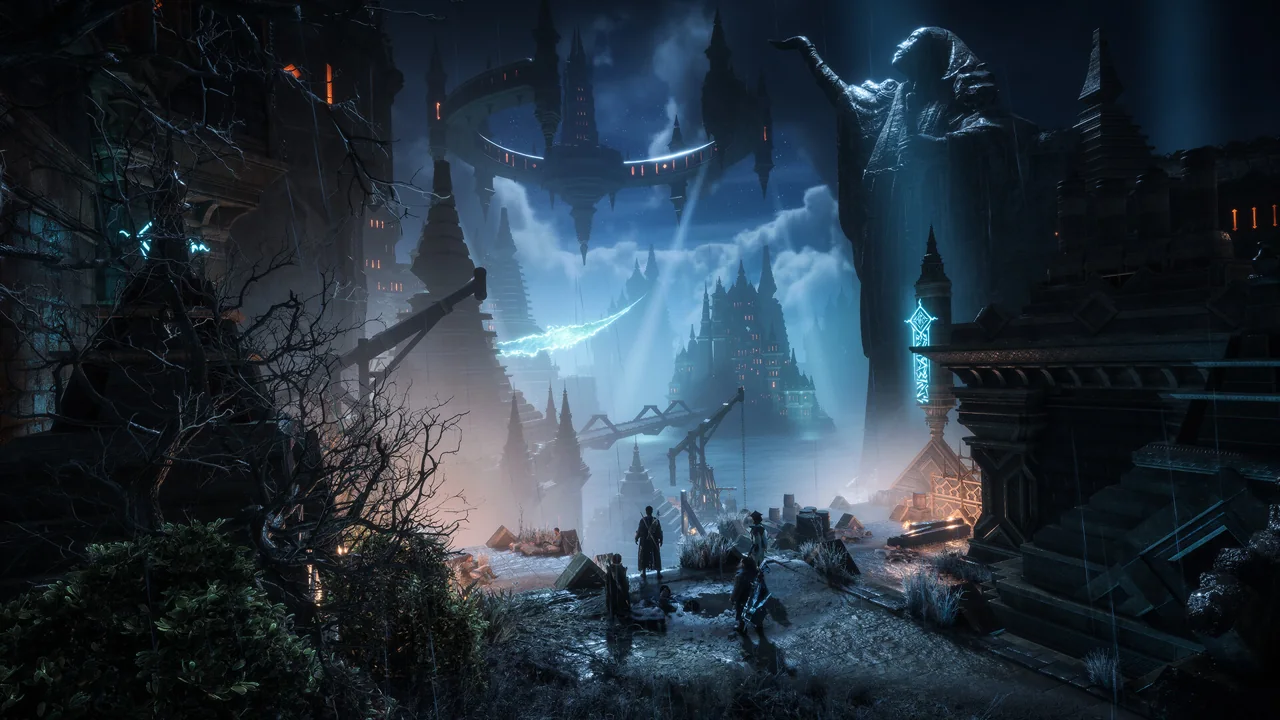
Dragon Age: The Veilguard puts gender identity and pronoun choices into Rook’s creation and makes all seven main companions romanceable regardless of the player’s gender. Identity expression and broad romantic access are supported across its character systems.
Taash has an explicit non-binary coming-out storyline involving family and cultural expectations. A tavern scene also has Isabela use the wrong pronoun, perform push-ups, and explain her method of taking responsibility. The dialogue directly teaches a response to misgendering.
The criticism is the instructional delivery. Players expecting the series’ sharper conflicts and morally uncomfortable relationships can find these explanatory moments overly tidy, with characters sounding as though they are demonstrating the appropriate social response.
For those audiences, the push-up scene captures the problem particularly clearly. A pirate pauses the fantasy to explain how to acknowledge a mistake. Dragon Age has plenty of dangers to confront, but first the tavern needs to finish its training session.
The Isabela and Taash scene, captured from the game · Corinne Busche explains the companion romances.
Give the message a better script
The recurring complaint is the way inclusion becomes a feature announcement, a character’s headline, or a lesson delivered directly to the player. The examples vary: some are optional settings, others shape entire storylines, and a few are mainly publicity choices. Treating them as interchangeable would miss what actually happens in each game.
Publishers can make political entertainment, and players can criticize its priorities. A good character still needs a personality, a convincing conflict, and something memorable to do. Announcing the right intentions is the easy part. Making the scene worth watching takes more work.