 Retro Replay Retro Gaming History, Reviews & Emulation

Retro Replay Review
Gameplay
You begin with setup: making Miis, choosing their voices and personalities, and deciding who gets to live together. That creative step matters because Tomodachi Life is much funnier when the people involved mean something to you. A friend giving a dramatic complaint or two unlikely characters becoming close lands better than a random generated cast ever could.
From there, your role is part caretaker and part amused bystander. Residents ask for food, clothing, gifts, and help with everyday problems, while new apartment interiors let you put a little character into where they live. None of these tasks is demanding on its own. What keeps them from feeling like chores is the steady possibility that a simple visit will lead to an odd interaction, a quarrel, or an unexpectedly sweet development.
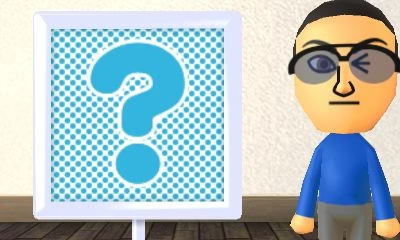
The minigames break up the routine, and they fit the game’s lightweight, pop-in-for-a-few-minutes rhythm. A football game and the mystery-shadow activity have the same broad, playful energy as the rest of the island. If you need deep systems to master, the repetition will catch up with you. If you enjoy checking a virtual neighborhood each day to see what your weird little cast is doing, the low pressure is exactly the point.
Graphics
The rounded Mii faces and stubby bodies make even an ordinary activity look pleasantly ridiculous. The game gets good mileage out of costumes and small visual jokes, whether a group crowds around an enormous tray of nachos or a resident appears in a conspicuous robot-like outfit.
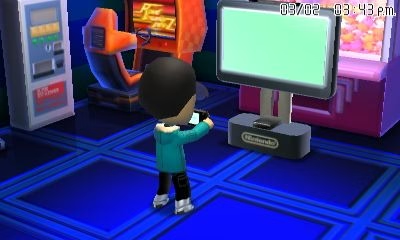
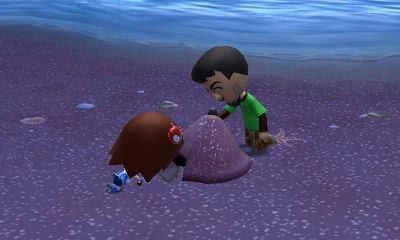
Locations are clean and colorful rather than detailed. The blue-lit arcade room has chunky cabinets and bright floor panels, while the nighttime beach uses dark water, purple sand, and a simple shoreline to give a simple scene a calmer look. The Miis remain the center of these small social scenes.
Story
Relationships give Tomodachi Life its personal stories. Its story is the loose, personal history that grows around your residents: who becomes friends, who falls out, who falls in love, and who repeatedly asks you for something absurd.
That makes the emotional payoff unpredictable. You may get attached to a relationship simply because you watched it emerge through daily check-ins, or you may laugh at a conflict because the participants are people you deliberately put on the island. The game is strongest when it turns your own casting choices into a running joke.
The tradeoff is that its storytelling has little momentum beyond your curiosity. Daily visits give you more chances to see those relationships develop. You are collecting anecdotes, and whether they feel memorable depends heavily on how much you enjoy your chosen cast.

Overall Experience
Tomodachi Life is an excellent game to leave on your 3DS and revisit in short bursts. It rewards curiosity more than skill, and it understands that a funny, unplanned scene can be more memorable than a long list of things to do. The island becomes entertaining because you keep giving it personalities to bounce off one another.
Frustration sets in if you try to force it into a conventional life sim. You can influence residents through gifts and problem-solving, but much of the pleasure comes from accepting that they will surprise you on their own schedule. Some visits will be little more than a quick errand, and some days will not produce a great story at all.
Still, the game’s oddball warmth is hard to fake. Build a cast out of people you know, fictional favorites, or the most mismatched group you can imagine, then let the island’s social chaos do its work. For a concise overview of the original 3DS release, Nintendo’s Tomodachi Life page is useful. This is an easy recommendation for anyone who values personal comedy and daily surprises over depth and control.


Reviews
There are no reviews yet.