Retro Replay Retro Gaming History, Reviews & Emulation
There was a time when I judged practically every fantasy RPG against The Elder Scrolls. And if it didn’t offer the same freedom to explore, customize my character, and ignore the main story for fifty hours, it had an uphill battle winning me over.
Unfortunately for Dragon Age: Origins, that’s exactly the mindset I was in when it arrived.

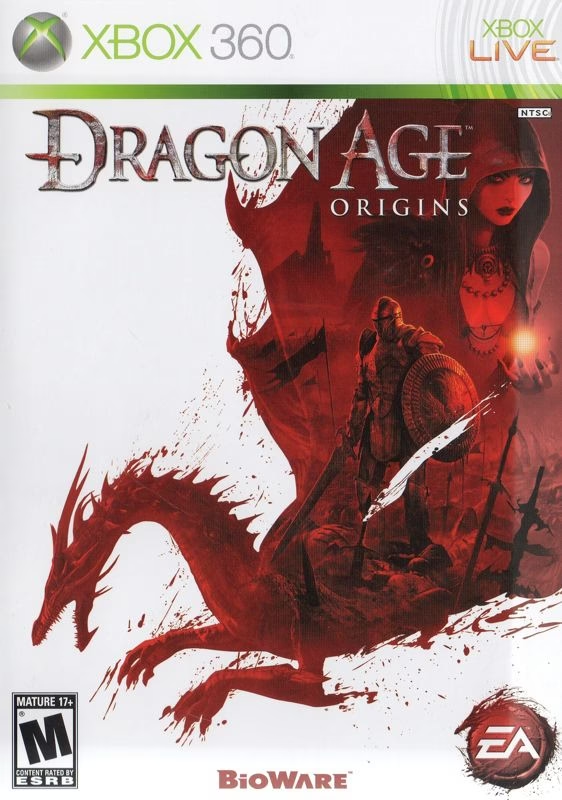
On 3 November 2009, BioWare released Dragon Age: Origins for PC, Xbox 360, and PlayStation 3, introducing a new dark fantasy universe filled with ancient evils, political intrigue, memorable companions, and some wonderfully difficult choices.
And I didn’t play it at launch.
By then, I’d already spent years exploring Morrowind and Oblivion. Those games had convinced me that a great fantasy RPG needed an enormous, customizable world where I could go practically anywhere and do whatever I pleased.
Dragon Age seemed a little too structured for my tastes.
Eventually, I gave it a chance.
And I’m certainly glad I did.
Not Every RPG Needs to Be The Elder Scrolls
Developed by the studio behind Baldur’s Gate, Jade Empire, and Knights of the Old Republic, Dragon Age: Origins was a deliberate return to BioWare’s classic computer RPG roots.
And that meant a different approach to adventure.
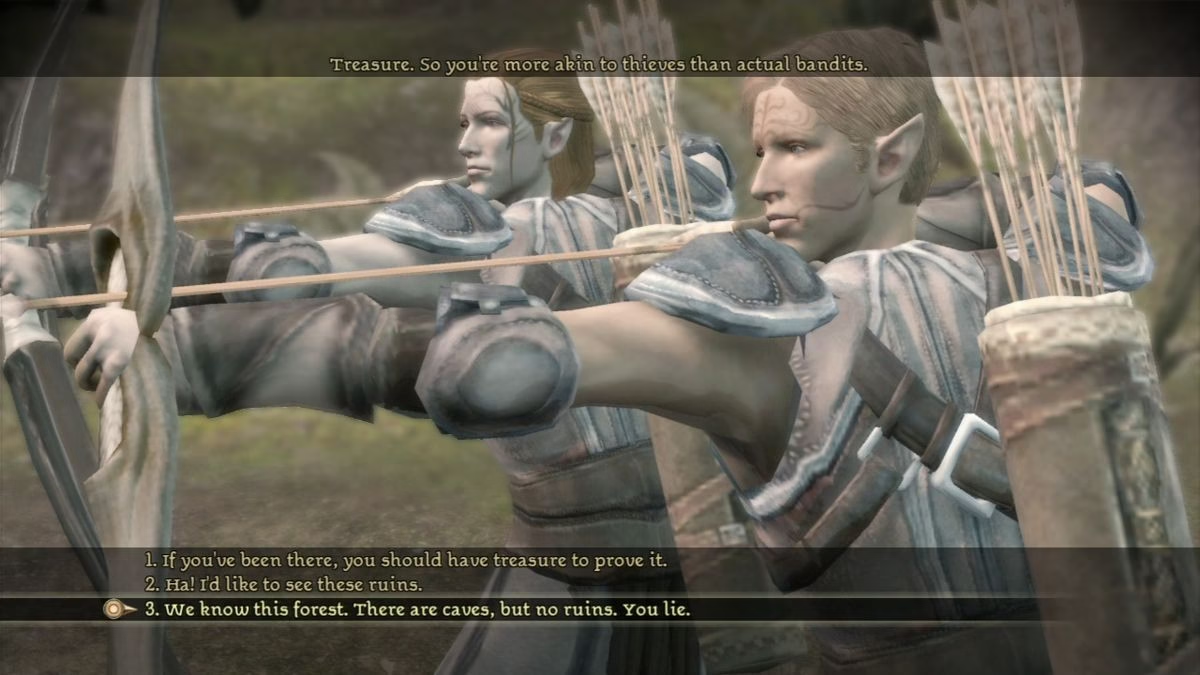
Rather than dropping you into an enormous open world and letting you wander in whatever direction looked interesting, Origins offered a more structured, story-driven experience built around party-based combat, character relationships, and difficult decisions.
That was exactly the kind of thing I thought I didn’t want.
But the more I played, the more I appreciated what BioWare was trying to accomplish.
The game wasn’t competing with The Elder Scrolls on Bethesda’s terms. It had its own priorities, and it was very good at them.
The story was great, the characters were entertaining, and there was an impressive amount of lore to uncover.
And once I stopped worrying about what the game wasn’t, I started enjoying everything it was.
Six Beginnings, One Very Big Problem
One of the game’s more interesting features was its character creation.
Rather than simply choosing a race and class before entering the same opening sequence, Origins offered six distinct character backgrounds.
Depending on your choices, you might begin as a human noble, a mage, a Dalish elf, a city elf, or a dwarf from either the nobility or the common population.
Each origin introduced a different perspective on the world of Thedas, complete with its own characters, relationships, and circumstances.
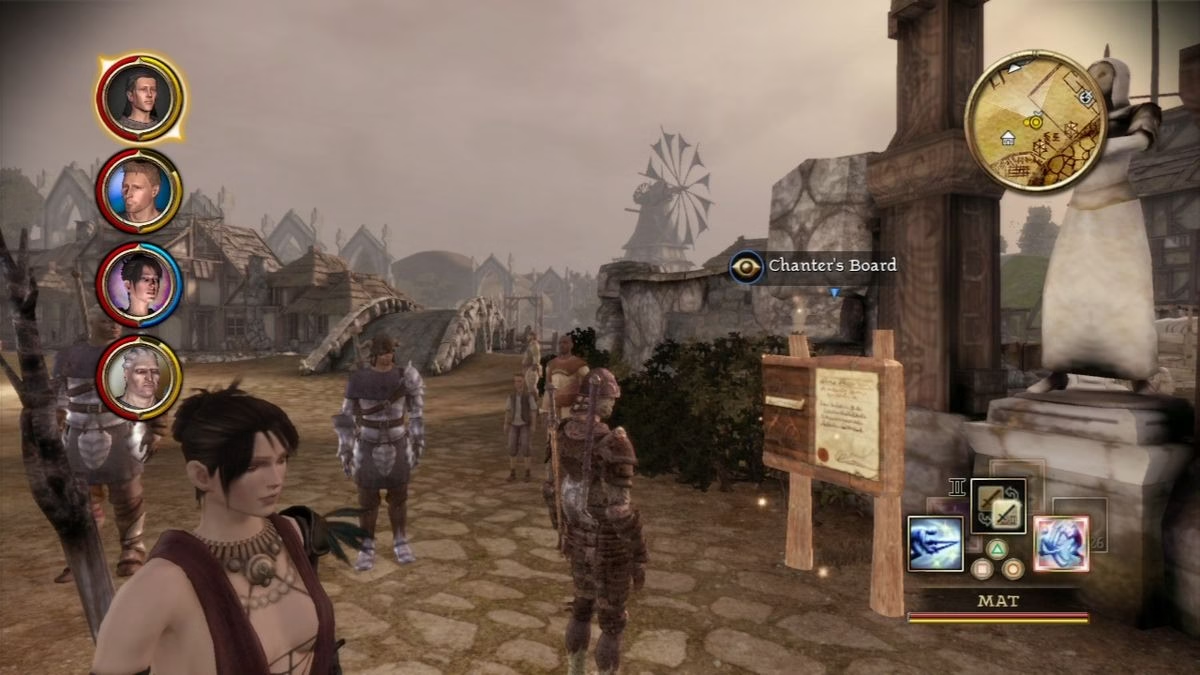 Eventually, those paths converged when your character became a Grey Warden, joining an ancient order dedicated to fighting the monstrous darkspawn.
And there were plenty of darkspawn to fight.
The kingdom of Ferelden faced a new Blight, a devastating invasion led by an Archdemon. But defeating that threat required more than gathering an army and charging toward the nearest monster.
There were rival factions, political disagreements, ancient grudges, and people with very different ideas about how the kingdom should be saved.
For the record: Your character’s background could influence dialogue, relationships, and how certain events unfolded throughout the game.
I don’t remember much about my first character these days, but I do remember appreciating how much work BioWare put into making those origins matter.
It was a clever way to give players different roleplaying experiences without relying on an enormous open-world sandbox.
Sometimes You Need to Think Before You Swing
One of the things I particularly enjoyed was the tactical party management.
Combat wasn’t simply about swinging a sword faster than the enemy or finding the most powerful spell.
Your companions had different strengths, abilities, and roles, and getting the most out of them required some planning.
You could pause the action, issue commands, position your characters, and coordinate abilities to deal with different threats.
The tactics system even allowed you to establish rules governing how companions behaved during combat.
Need your healer to keep an eye on injured teammates? Set up the appropriate behavior.

It was using the party you already had more effectively.
Want your frontline fighters to concentrate on particular threats? There were options for that, too.
It wasn’t always necessary to micromanage every encounter, but the tools were there when you needed them.
And I liked having that control.
As someone who had spent years enjoying traditional CRPGs and strategy games, I appreciated combat that rewarded a little thought and preparation.
Sometimes the difference between victory and defeat wasn’t better equipment.
The People and Stories of Thedas
Of course, tactical combat can only carry an RPG so far.
Fortunately, Dragon Age: Origins had an excellent story and plenty of interesting characters to go with it.
Alistair, Morrigan, Leliana, Sten, Wynne, and the rest of the companions brought their own personalities, backgrounds, and opinions to the adventure.
They weren’t simply extra weapons following you around.
They had beliefs, motivations, loyalties, and sometimes very strong objections to your decisions.

And BioWare gave you plenty of decisions to make.
Some involved competing political interests. Others forced you to consider the consequences of helping one group at another’s expense.
And not every choice came with a convenient, obviously correct answer. In fact, most didn’t.
I enjoyed the characters and the story, but I also appreciated the worldbuilding.
The history of the Grey Wardens, the Chantry, the Circle of Magi, the Fade, and the complicated relationships between the different peoples of Thedas provided a foundation for an entire fantasy franchise.
There was a sense that the world existed long before your character arrived, and that its history would continue to matter after your particular adventure ended.
And it did.
Many of the characters, conflicts, and pieces of lore introduced in Origins would continue appearing or influencing events throughout the games that followed.
That’s one of the things I appreciate about a well-developed fantasy universe.
A good story is entertaining.
A good world makes you want to learn more.
Seventeen Years Later, What Happened to BioWare?
I enjoyed the Dragon Age series overall, even as the games evolved and BioWare experimented with different approaches.
And I’ll admit something about the most recent installment, Dragon Age: The Veilguard.
I actually kind of enjoyed the changes to combat.
The more action-oriented system wasn’t necessarily what I’d expected from the franchise, but I could appreciate what the developers were trying to do.
Unfortunately, I had a much harder time enjoying the writing.
To me, too much of the game felt like one long social lecture that I could never quite escape. The characters and dialogue often seemed more concerned with delivering The Message™ than telling an entertaining fantasy story.
And whatever you think of those creative decisions, the game’s commercial performance was disappointing.
In January 2025, EA reported that The Veilguard had reached approximately 1.5 million players during its launch quarter, nearly 50 percent below the company’s expectations.

Then, on 21 October 2026, EA announced that BioWare was closing, ending more than thirty years of game development and canceling the next Mass Effect project.
What an unfortunate ending for a studio that helped create so many memorable RPGs.
Now, I wouldn’t suggest that one game’s writing was solely responsible for BioWare’s downfall. There were years of development difficulties, commercial disappointments, management decisions, and changing priorities along the way.
But I do think there’s a lesson here about understanding what makes a franchise special.
The BioWare games I remember most fondly weren’t afraid to tell complicated stories, introduce difficult choices, or let characters disagree with one another.
They trusted players to become invested in the world and find their own way through it.
And Dragon Age: Origins was a wonderful example of that philosophy.
I nearly passed it over because it wasn’t enough like The Elder Scrolls.
Instead, I discovered another kind of fantasy RPG that I could appreciate on its own merits.
Seventeen years later, Origins remains a great reminder that there isn’t just one way to make an excellent roleplaying game.
And as BioWare closes its doors, that’s a legacy worth remembering.
What about you? Was Dragon Age: Origins your favorite of the series, or did one of the sequels improve on the formula? And what do you think went wrong at BioWare?