 Retro Replay Retro Gaming History, Reviews & Emulation
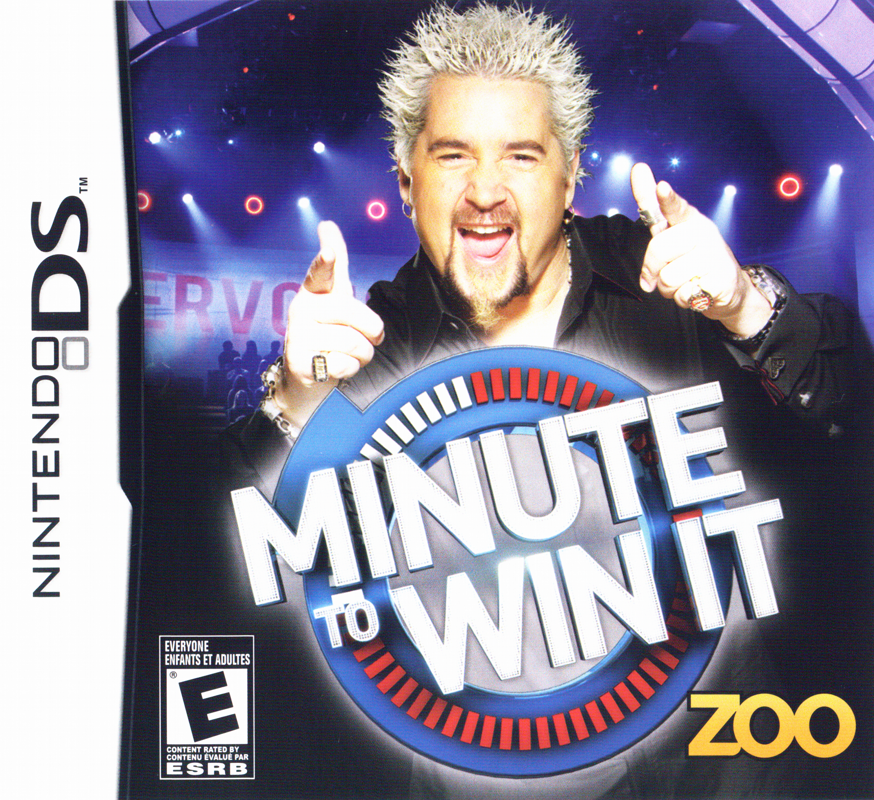

Retro Replay Review
Gameplay
The first few challenges should hook you quickly because the premise is so immediate: here is an odd task, here are 60 seconds, now make it work. Bouncing seven pencils into cups eraser-first is exactly the kind of silly, physical problem that sounds easy until the clock starts making your hands feel clumsy. That gap between “I understand this” and “I can actually do this” is where the game finds its tension.
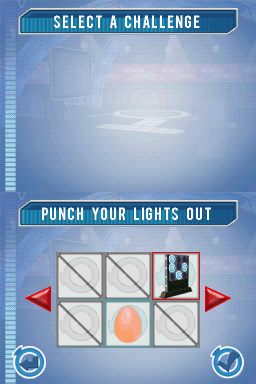
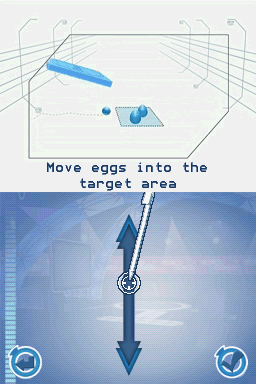
Using the DS controls alongside the stylus and microphone keeps the challenge pool from feeling like one repeated button test. There are 36 challenges across ten regular-show episodes, and the variety matters; this format lives or dies on whether the next stunt asks something different of you. Failures hurt without immediately ending a run thanks to three lives, while the choice to stop with your current winnings or risk another challenge preserves the show’s central gamble.
The weak point is the reward ladder. This version has only the $50,000 milestone, so a bad loss can feel harsher than it should and the climb lacks some of the safety nets associated with later versions of the show. Still, practice mode is a smart answer to a challenge that has embarrassed you, even if you must encounter it in a show before drilling it. Time Trial, with three difficulty levels, is where stubborn players can turn a one-off party trick into a score-chasing obsession.

Graphics
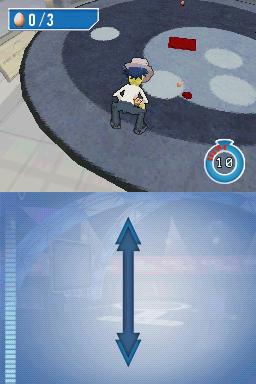
The clearest bit of personal flair is your character’s wardrobe: winnings can buy new outfits, giving successful runs a visible little reward beyond the cash total. It is a modest touch, but fitting for a game built around the contestant fantasy rather than a large cast or elaborate setting.
Story
There is no conventional plot to carry you from one episode to the next. Instead, the game borrows the clean, escalating story of a game show: begin as a contestant, survive strange tasks, bank money at the right moment, and try to reach the ten-challenge, one-million-dollar finish.
That structure works because every decision writes a tiny version of the same familiar gamble. Cash out and you have protected a respectable result; continue and you are betting that the next 60 seconds will not expose the one task you cannot handle. The three lives soften the drama, but they do not remove it.
The ten included episodes provide a sensible frame for this climb, even if the real stories will be the failures you remember: the attempt that fell apart in the final seconds, or the unlikely clear that kept a run alive. If you need characters or plot twists, this will feel bare. If you enjoy making your own game-show anecdotes, it has the right structure.
Overall Experience
Minute to Win It understands that the source format is funniest when you are the person under the timer rather than someone watching from a sofa. Its best moments come from trying a seemingly harmless challenge, fumbling it once, then immediately wanting another shot because you know you were close.
The two-player mode is a particularly good match for that spirit. Each person chooses five challenges, and the first to complete each one takes the round, creating a brisk contest that favors playful rivalry over long-term commitment. It should be especially effective when you have someone nearby who is willing to laugh at a failed attempt and demand a rematch.
Go in expecting a compact collection of physical puzzle challenges, not a deep career mode, and it earns its place as a lively DS diversion. The limited milestone system keeps it from fully capturing the rising stakes of the show, but the practice and Time Trial modes give you reasons to return after the episode run is done. For fans of quick, tactile mini-game pressure, the payoff is worth the occasional burst of frustration.


Reviews
There are no reviews yet.