 Retro Replay Retro Gaming History, Reviews & Emulation
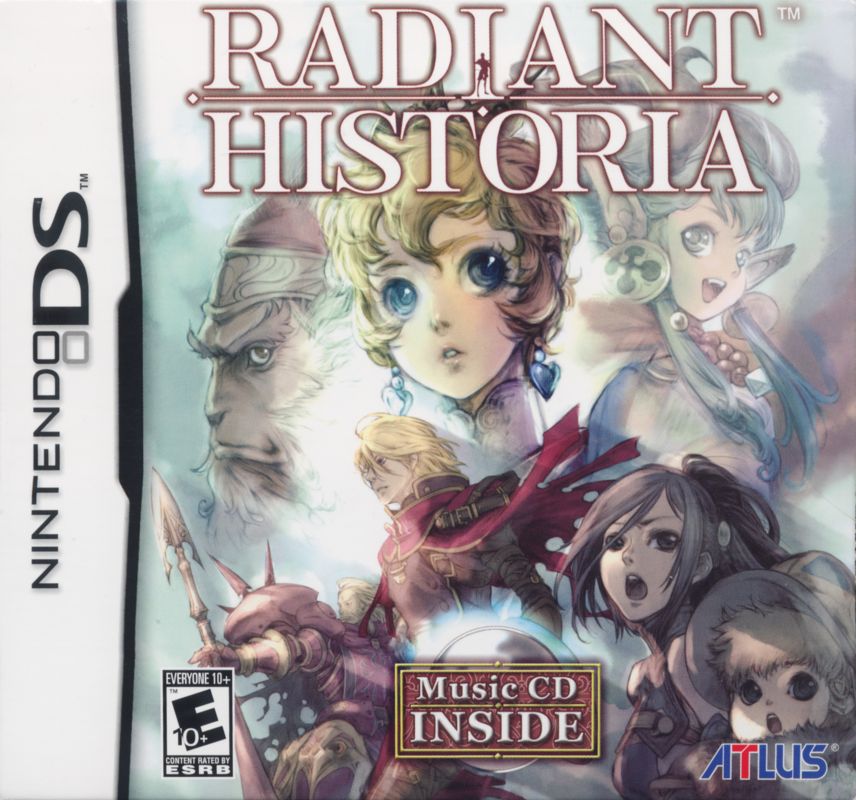
Retro Replay Review
Gameplay
Radiant Historia starts like a tense military RPG, but its first strong pull comes when Stocke receives the White Chronicle and your choices stop feeling disposable. You are not merely picking dialogue for flavor; you are moving through a semi-linear history, returning to earlier events, and trying different decisions to find a path where fewer things go wrong. That structure gives failure a useful sting. A bad outcome is often a reason to go back, reconsider what you knew, and test another branch rather than simply accept a game-over screen.
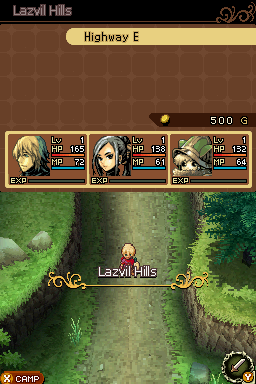
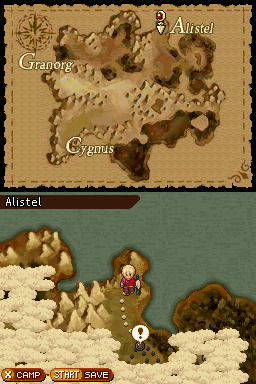
Exploration uses a traditional top-down view, with enemies visible on the map. You can strike with Stocke’s sword before engaging, earning an advantage in battle, which makes moving through dangerous areas feel a little more deliberate than blindly stumbling into fights. It is a straightforward setup, but it suits a game built around revisiting places and events: you can focus on the choices and consequences rather than wrestling with random encounters.
The battle system is where Radiant Historia separates itself from many conventional turn-based RPGs. Enemies stand on a 3×3 grid, and skills that shove them around matter because attacks can hit every enemy sharing a space. Gathering foes together, then piling damage into a rising combo, is immediately satisfying. Position also affects danger: your party takes less damage from enemies in the back rows, so there is a real trade between setting up a huge turn and protecting yourself.
Turn swapping adds another smart layer. You can trade a character’s turn with an ally’s or even an enemy’s, but doing so leaves you more vulnerable to being hurt. It is a risk-reward tool rather than a free shortcut, and it makes combo planning feel active instead of rote. When the grid manipulation clicks, ordinary encounters become compact tactical puzzles. If you prefer breezing through every fight on autopilot, that extra planning may wear thin; if you enjoy arranging a battlefield before cashing in a powerful chain, it is the game’s best moment-to-moment feature.
Graphics
Radiant Historia uses a 2D, diagonal-down view for exploration and turn-based battle scenes built around the enemy grid. The clearest visual strength is functional: the 3×3 layout makes it easy to see where enemies stand, when they have been pushed together, and how a planned attack will connect.
Story
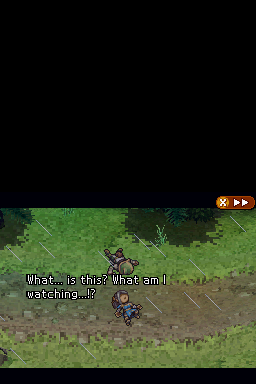
The world is already in terrible shape when the game begins: war is raging, destruction feels close, and Stocke is sent to escort a spy carrying vital intelligence back to Alistel. That secret-agent opening gives the story urgency before it widens into a larger effort to set history right. Stocke is not simply granted time travel as a toy; the White Chronicle turns him into someone who can glimpse consequences and revisit the choices that caused them.
That premise works because it lets the story treat decisions as problems with human costs. Stocke goes back to alter the past in hopes of saving comrades, and the game’s branching structure invites you to observe what changes when he does. The important pleasure is not just reaching a preferred route, but understanding why one choice fails and another creates an opening.
Multiple endings give the time-travel framework a fitting payoff. Revisiting prior events could have felt like repetition, but here it is central to the drama: you are tracing alternate outcomes in a world that seems determined to collapse. Anyone who likes RPG stories with war, looming catastrophe, and cause-and-effect choices will find plenty to chew on.
Overall Experience
Radiant Historia is an unusually focused RPG: its combat asks you to think about positioning and turn order, while its story asks you to think about consequences. Neither side feels detached from the other. You spend fights engineering favorable situations, then spend the larger adventure doing much the same across the timeline.
The payoff is strongest if you enjoy returning to earlier points and exploring alternate decisions. The semi-linear structure means you are guided through the main shape of the adventure, but the ability to replay events gives that guidance purpose. You are not wandering aimlessly through possibilities; you are following leads, correcting mistakes, and watching new outcomes emerge.
Give it a chance if you want a Nintendo DS RPG with a serious time-travel hook and battles that reward setup as much as raw damage. Its traditional exploration is familiar, but the 3×3 combat grid, turn-swapping risks, and branching history make it much more than a routine genre throwback. Radiant Historia earns its reputation by making both combat decisions and story decisions feel worth revisiting.


Reviews
There are no reviews yet.