 Retro Replay Retro Gaming History, Reviews & Emulation
Retro Replay Review
Gameplay
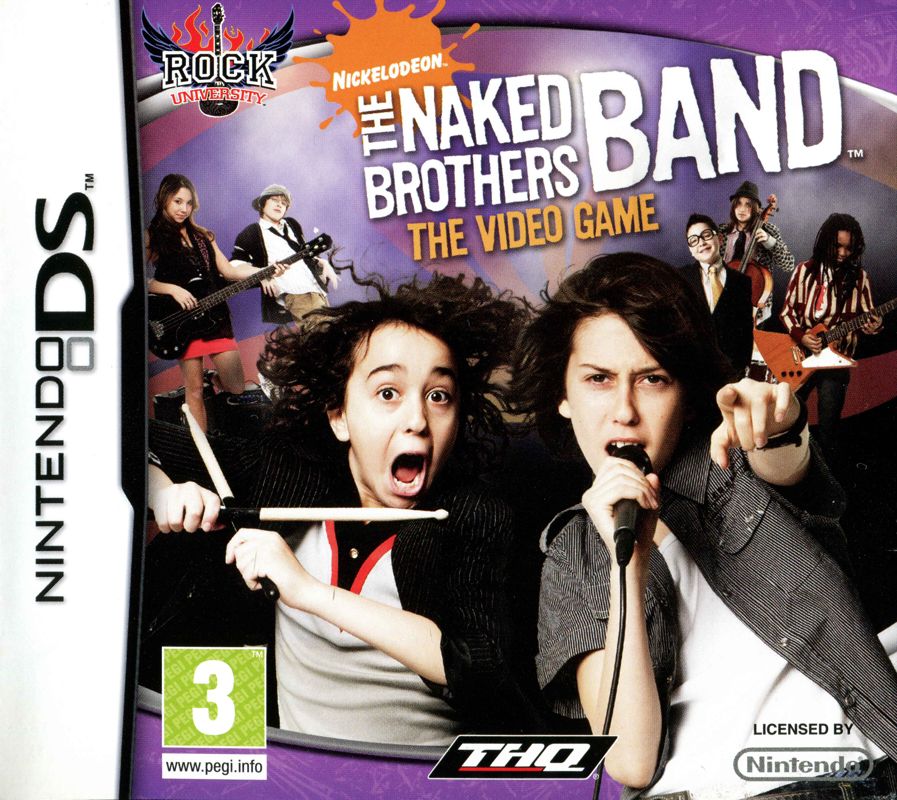
The first hour is built around a clean, sensible loop: tour to a competition, play a Naked Brothers Band song in segments, and try to hold a streak long enough to turn a decent performance into a strong one. You rotate between band members and their instruments rather than staying on a single track, which gives each show a little movement. The key hook is the multiplier. Consecutive successful hits raise it, and that directly improves the show, so there is a satisfying reason to recover your focus after an early mistake instead of merely waiting for the song to end.
Different instruments—including vocals—use different rhythm-based gameplay mechanics. That is the game’s best argument for itself. It keeps the tour from feeling like the exact same song chart repeated with a new backdrop, and it makes Music 101 more useful than a perfunctory tutorial. Spend time there before tackling the tour if a particular instrument is tripping you up; it is also a welcome place to refresh your timing later rather than losing a competition while trying to relearn the basics.
The competition structure gives the songs a simple bit of stakes. A rival band is trying to draw attention away from your show, and the goal is to outperform it while the tour’s earnings go to charity. This is not a game that asks you to master a sprawling campaign system. Its momentum comes from familiar songs, cleaner runs, and the urge to build a bigger multiplier. That makes it easy to pick up, though it also means your enjoyment rises or falls sharply with how much you like the band.
There is a pleasing amount of after-show tinkering for a Nintendo DS music game. You can save performances for replay, create rhythms in Composer mode for favorite songs, and share them through Wi-Fi. Wi-Fi head-to-head battles boil the rivalry down to the important part: whoever earns the better score wins. These extras do not replace the core rhythm action, but they make a successful performance feel worth keeping rather than disposable.
Graphics
Onstage success has a visible payoff: higher streaks and multipliers bring out fancier maneuvers from the band members and make the stage and environment more entertaining to watch. The game also lets you unlock and mix wardrobes across the members, giving your touring group a bit of personal flair.
Video mode lets you revisit saved performances with predefined camera angles and special effects. It is a smart fit for a game centered on putting on a show, especially if you enjoy turning a good run into something you can replay.
Story
The story keeps its job modest. The band tours the country to raise money for charity, while the older brother of the tour promoter follows them and schedules opposing bands in an effort to disgrace them and take the money. It is a light, easy-to-follow excuse to move from competition to competition, not a reason to come in expecting dramatic surprises.
That simplicity works better than an overcomplicated licensed-game plot would have. You always understand why another show is happening and why winning matters, while the songs remain the center of attention. The tour’s charitable purpose gives the band a likable goal, and the rival setup provides just enough friction to make the score chase feel like more than rehearsal.
Cutscenes can be viewed again once you have progressed far enough to unlock them, which is useful for younger fans or anyone revisiting the tour. Still, the narrative is largely connective tissue. If you are not invested in the Naked Brothers Band, the story is unlikely to win you over on its own.
Overall Experience
This is a focused licensed rhythm game with a better set of side activities than its premise initially suggests. Playing several instrument styles, practicing them separately, saving a performance, editing a video, building rhythms in Composer, and challenging someone over Wi-Fi all give the tour more texture. The best sessions will be the ones where a song clicks, your streak stays alive, and the stage grows more animated along with your score.
Frustration can set in if one instrument’s rhythm routine does not suit you, because a dropped streak immediately cuts into the multiplier chase. The game is also tied closely to its song selection and its band. That is not a flaw so much as a firm boundary: fans get a chance to interact with familiar music in several ways, while anyone indifferent to it may find the central loop too specialized.
For Naked Brothers Band fans, especially younger players looking for an accessible DS rhythm game with practice options and creative replay tools, this is worth a look. For everyone else, it is a competent tour package rather than an essential genre stop. The payoff is there if the music already means something to you; then the extra modes make the game feel more like a small backstage pass than a one-note cash-in.


Reviews
There are no reviews yet.