 Retro Replay Retro Gaming History, Reviews & Emulation
Retro Replay Review
Gameplay
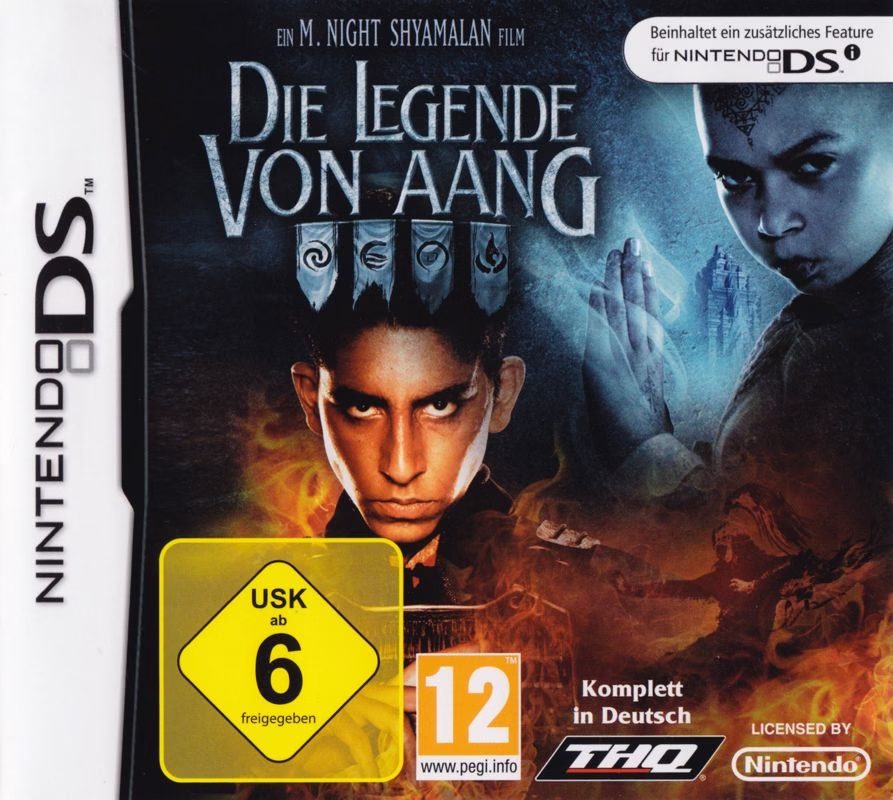
This is a more grounded, handheld-scale take on The Last Airbender than you might expect from the name. You move through enemy fortresses from an overhead perspective, searching around and solving puzzles instead of simply rushing from one fight to the next. That blend gives the game a decent sense of forward motion: combat interrupts exploration, while puzzles ask you to slow down and pay attention to the space around you.
You can play as Aang or Zuko, and the fighting is built around direct attacks such as sword swipes, punches, kicks, and elemental moves. That is a solid fit for short sessions. The combat sounds immediate rather than elaborate, so the fun comes from switching between brawling and figuring out how to push deeper into a fortress, not from expecting a huge combo system.
The important thing is to meet it on its own terms. This is a puzzle-platforming action game for DS, not the separate Wii version with its own design ideas. The Nintendo DS gameplay description gets at the core loop well: exploration, puzzle solving, and fights against smaller enemy soldiers. If that straightforward mix appeals to you, the game has a better shot than it does with anyone hoping for a grand action spectacle.
Graphics
Gameplay is shown from overhead, which suits the fortress exploration and keeps the characters and nearby enemies in view. The game also uses 2D cutscenes, giving its story moments a different look from the active play rather than trying to mimic the movie with a more elaborate handheld style.
Story
The game is based on the live-action film, so its immediate draw is spending time in that version of the Last Airbender world. Aang and Zuko are the playable faces of the adventure, which gives the game a more character-focused hook than a generic fantasy quest.
Zuko is specifically the exiled prince of the Fire Nation, and that matters when you are choosing between the two leads. His presence is not just a loose use of a recognizable name. The game places a central character from the film directly into the playable side of the adventure.
Still, the story is likely to matter most if you already have some affection for this particular adaptation. The game’s real advantage is that it lets the film’s setting frame a series of fortress runs, puzzles, and fights. That is a more tangible reason to play than simply revisiting the premise.
Overall Experience
The Last Airbender is easiest to recommend as a modest DS curiosity with a useful genre mix. Exploring fortresses, solving puzzles, and throwing down with soldiers gives it more to do than a one-note movie tie-in. It has the kind of contained structure that works well when you want a portable game to pick up for a while and put down again.
Frustration can set in if you come in wanting the scope or flash of a major console action game. Its strengths are more practical: two playable characters, direct combat, and puzzles placed inside hostile environments. You will get more from it if those basics sound satisfying than if the license is your only reason for trying it.
For fans of the film or of early-2010s DS action-puzzle games, this is worth a look. Everyone else should treat it as a niche but reasonable option, one that earns its place through a clear portable loop rather than through big cinematic ambition.

Reviews
There are no reviews yet.