 Retro Replay Retro Gaming History, Reviews & Emulation
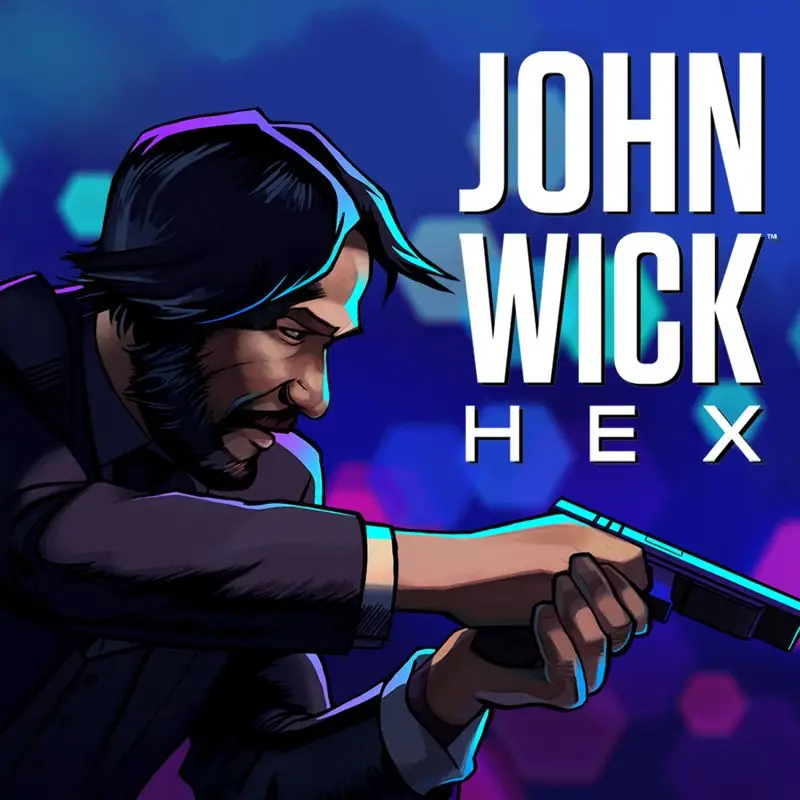
Game Overview
Gameplay
John Wick Hex starts with a great hook: instead of mashing through a movie-style gunfight, you stop and measure it. Time advances around every decision, and the timeline tells you how long your shot, dodge, punch, or takedown will take compared with what each enemy is about to do. That simple idea turns each small encounter into a tense little planning problem. You are not just asking who to attack. You are asking whether you can finish the action before somebody else puts you in trouble.
That rhythm clicks once you accept that a clean-looking solution is not always the safe one. Guns have different ranges and rates of fire, melee can matter when an enemy is resistant to gunfire, and Focus makes evasive moves and takedowns a resource-management question instead of a panic button. A fast decision can still be the wrong decision if it leaves Wick exposed a second later. The best moments come when you read several beats ahead and turn a crowded room into a controlled chain of counters.
There is real pressure behind the planning because health and gear carry through the missions within a chapter. Coins spent before a chapter on bonuses or stashed equipment give preparation some importance, and mistakes are not easily shrugged off. That can make a rough mission frustrating, especially when you realize a bad trade began with a choice made several actions earlier. Still, the post-level real-time replay is a fitting reward: it lets you see whether your careful pause-and-plan solution actually resembles the kind of relentless fight the game is chasing.
The score-based challenges give the linear campaign a reason to stay in the fight. Faster clears, efficient kills, and lower resource use encourage you to refine an already-completed chapter rather than merely survive it again. Expedited mode pushes that further by putting a five-second limit on decisions. If you linger, enemies begin moving in fractional real time, which is a clever way to turn knowledge of the system into nerves-under-pressure execution.
Story
Set before the films, the story puts an earlier-career John Wick on a rescue mission after Hex, a rogue High Table operative, takes Winston and Charon. Animated comic-book cutscenes carry the plot between missions. The setup gives the campaign a clear reason to keep moving, though the stronger storytelling happens in combat, where every costly choice reinforces the image of Wick as someone surviving through preparation as much as skill.
Overall Experience
This is a notably good use of the John Wick name because it does not confuse imitation with adaptation. John Wick Hex does not try to make you feel powerful by removing friction. It makes you earn that feeling by understanding action timing, enemy intent, positioning, and limited Focus. When a room comes together, the payoff is less about reflexes than the satisfaction of having solved a violent, rapidly unfolding puzzle.
The tradeoff is that the game can be less immediately inviting than its source material. You need patience for pauses, timelines, and the occasional failure caused by an earlier misread. Anyone hoping for a loose, real-time shooter may find the deliberate structure too restrictive. The Switch version’s portable format suits individual missions well, though, since the campaign is built from controlled tactical scenarios rather than long, wandering levels.
Give it a chance if you enjoy turn-based tactics that ask for foresight and welcome replaying a mission to sharpen your route. Skip it if the main thing you want from John Wick is direct, reflex-driven shooting. For the right player, its blend of continuous time and tactical pauses captures something surprisingly specific: the satisfaction of watching a seemingly impossible fight become manageable one calculated second at a time.


Reviews
There are no reviews yet.