 Retro Replay Retro Gaming History, Reviews & Emulation
Retro Replay Review
Gameplay
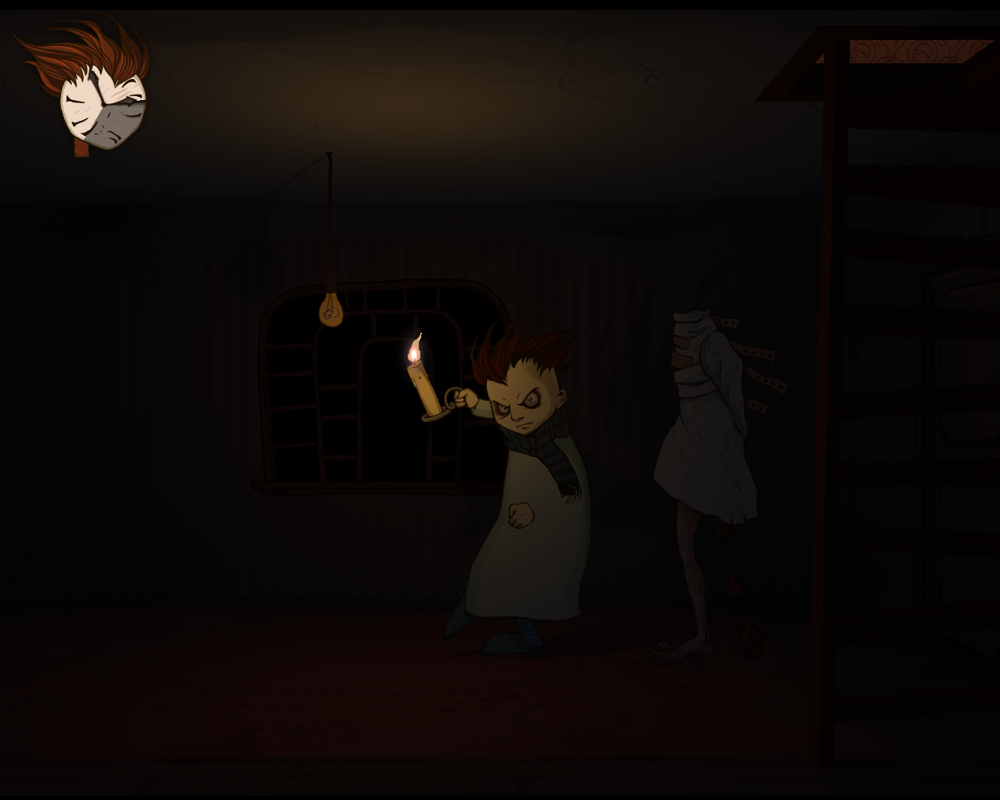
Every night in Knock-knock! is a race against dawn, but it rarely feels like a straightforward timer. You are walking the Lodger around his cabin, lighting rooms, unlocking routes, and deciding whether to poke at the latest disturbance or play it safe. Early on, that push and pull is compelling: a lit room offers a little reassurance, while the dark edges of the house invite you to wonder what you have missed.
The hide-and-seek core gives you several ways to respond once the guests arrive. You can seek out and close the portals they use, or duck behind a bed and wait in the hope that they pass you by. Neither approach turns the cabin into a place you truly control, which is exactly where the tension comes from. You are not building toward a triumphant clear; you are trying to endure another bad night without losing your grip.
“Filling in the gaps” is one of the more interesting ideas here. Making things reappear in illuminated rooms turns basic exploration into a small act of repair, and it suits a game built around a house that seems to be coming apart. The trouble is that Knock-knock! occasionally changes its rules and asks you to work out the new terms for yourself. When that mystery clicks, it feels appropriately disorienting. When it does not, the game can feel like it is withholding the information you need to make a sensible choice.
The trips outside the cabin, into the woods or an apparently endless corridor, help prevent the nightly structure from settling into routine. Still, this is a deliberately uneasy game, not one that consistently rewards tidy planning. If you need crisp feedback and dependable rules, the friction may wear you down. If you enjoy horror that makes uncertainty part of the challenge, the awkwardness has a purpose.
Graphics
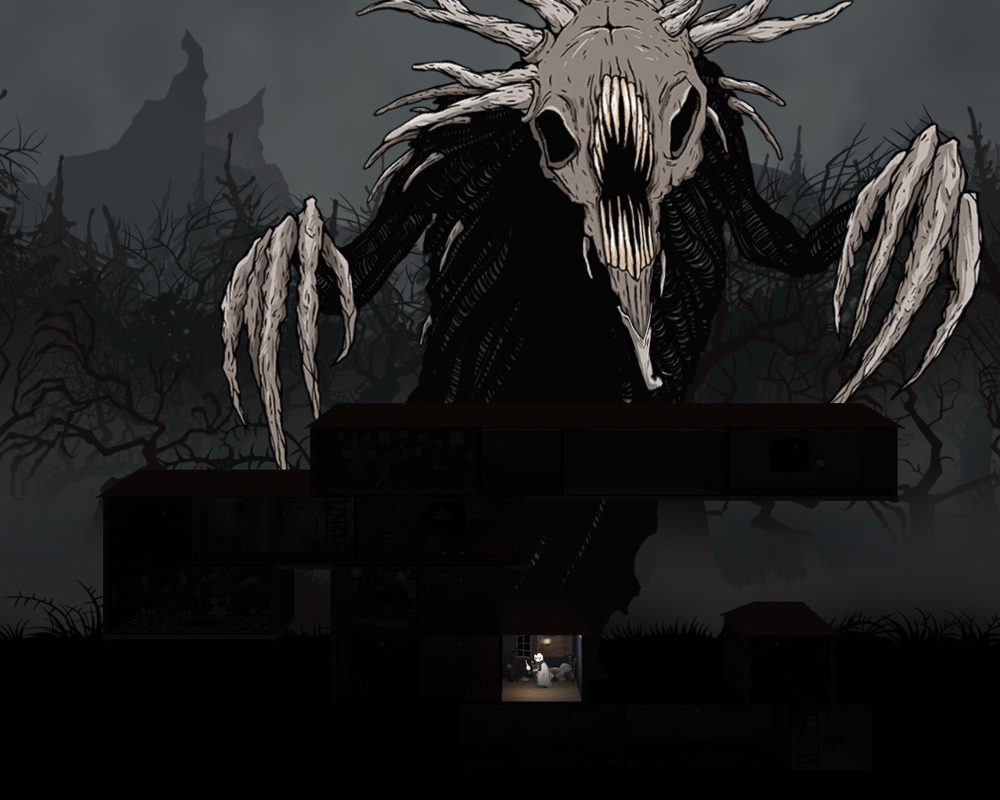
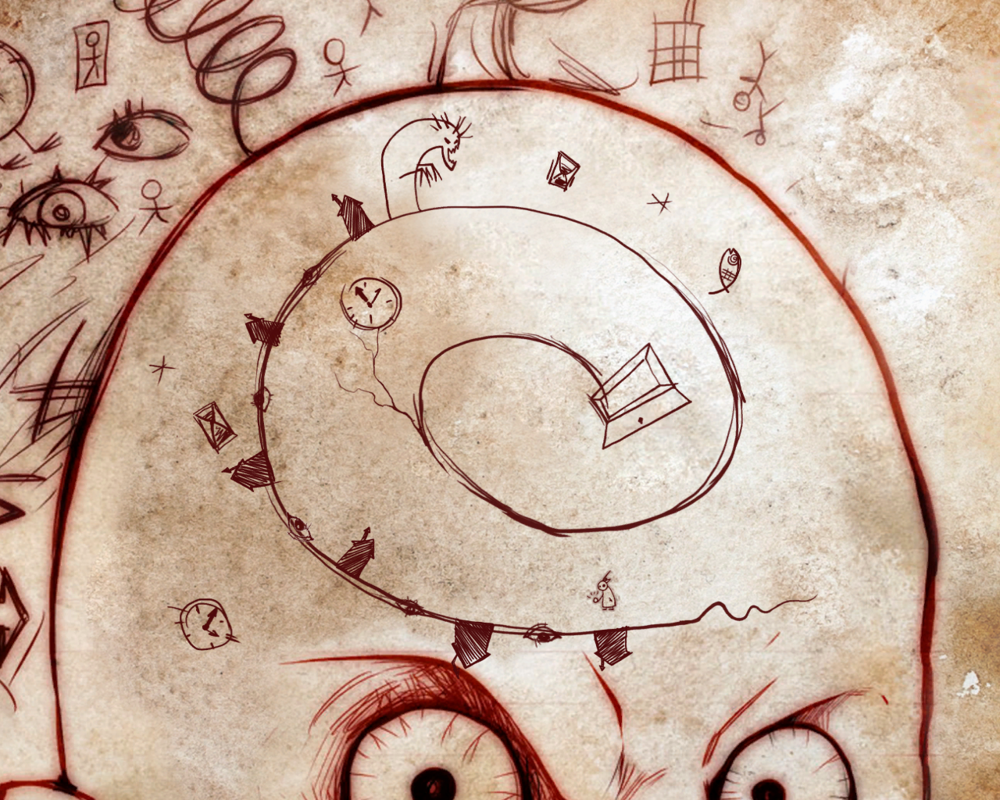
The side-view view keeps the cabin’s rooms easy to scan as you move from doors to lights to hiding spots. Lit rooms and the gaps left by missing things give the house a visibly unstable quality, while the woods and endless corridors widen the nightmare beyond its walls.
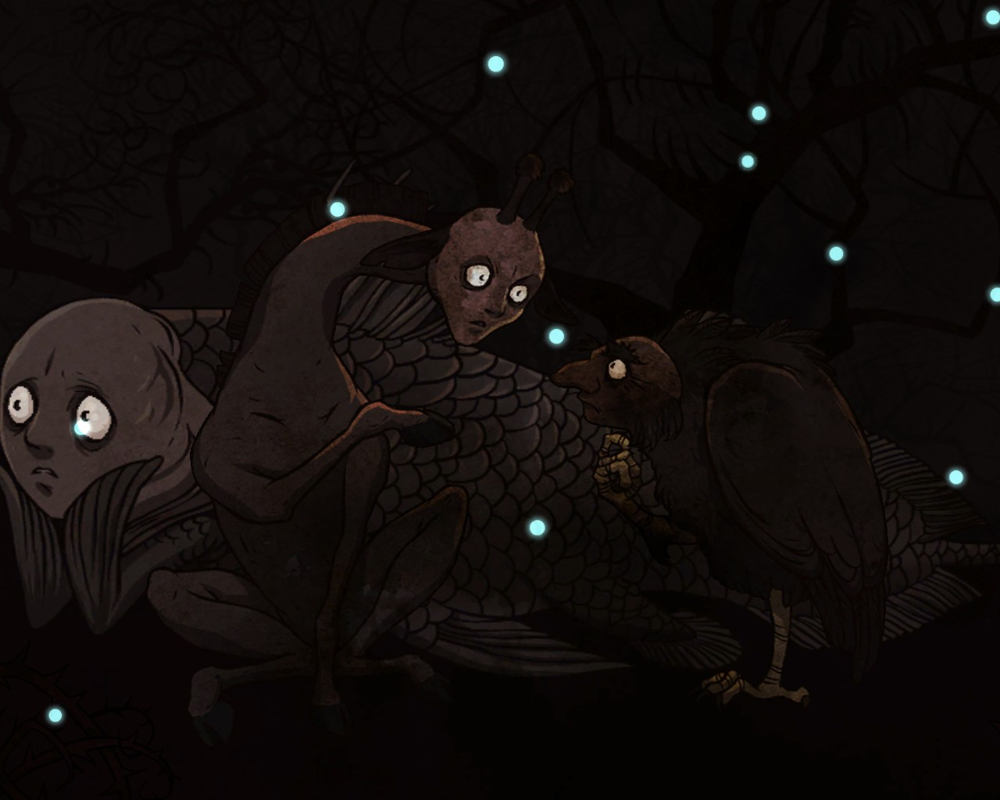
The bizarre guests are most effective as intrusions into familiar domestic spaces. Seeing them turn up in the rooms you have been trying to maintain makes the cabin feel compromised even before you know whether to confront them or hide.
Story
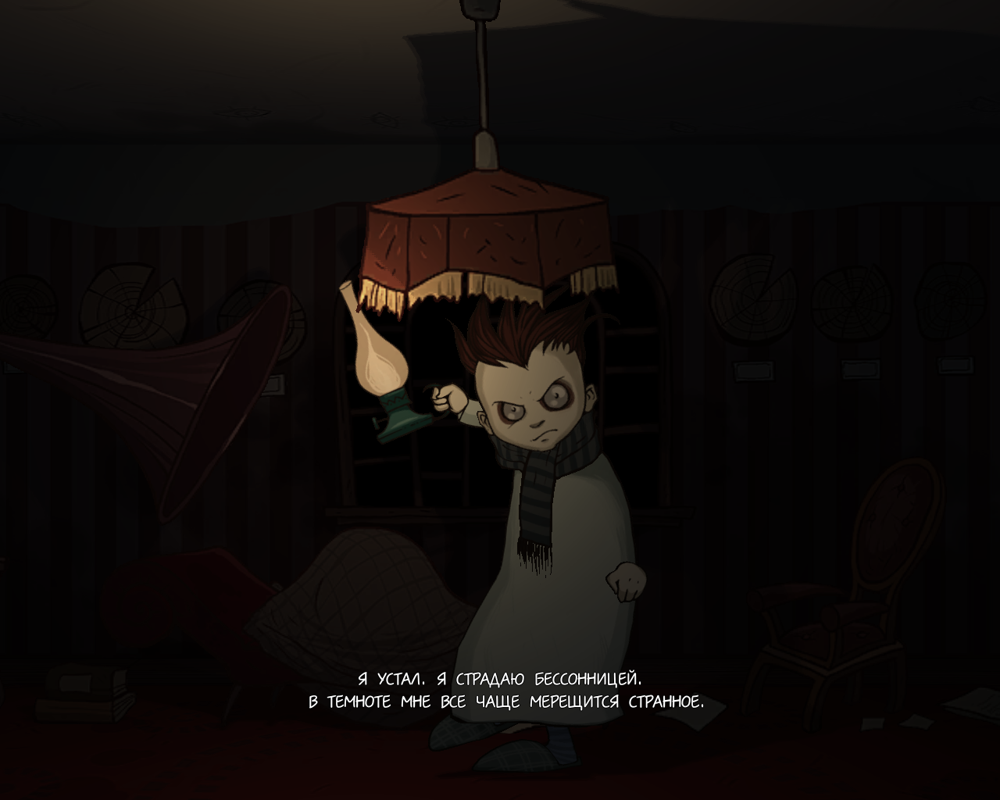
Knock-knock! does not rush to explain its cabin, its guests, or even the Lodger’s troubled state. Instead, it feeds you strange messages and occasional words from the Lodger himself. That fragmented approach fits an insomniac protagonist whose surroundings keep changing, and it gives the game a lingering, dreamlike unease.
The central mystery—what the Lodger has lost, and whether that loss is tied to the nightmarish events—does enough to keep you moving through the nights. More importantly, the story is not merely pasted onto the hiding and searching. The changing house, the missing objects, and the visitors all reinforce the sense that you are piecing together a broken understanding of the situation.
Your actions can affect the outcome and alter how you read what has happened. That is a strong match for a story about uncertainty, though it also means the game asks you to tolerate loose ends and interpretation. You should come to it ready to sit with questions rather than expecting every odd message to resolve into a neat answer.
Overall Experience
Knock-knock! is most effective when you let it unsettle you on its own terms. The first few nights make ordinary actions—switching on a light, opening a door, deciding whether to hide—feel charged with doubt. It has a peculiar ability to turn waiting for morning into something oppressive.
That mood comes at a cost. The same opacity that makes the game eerie can make it aggravating, especially when its shifting rules leave you unsure what changed or what a night expects from you. This is not a horror game that always meets confusion with a clean explanation, and it will lose anyone who sees that as wasted time rather than part of the ordeal.
For the right mood, though, its rough edges are easier to forgive. Give Knock-knock! a chance if you want survival horror that feels more like a bad dream than a test of combat skill: intimate, strange, and willing to leave you unsettled after dawn arrives. Its 6.7 reputation feels fair—an original, atmospheric experience with enough friction to keep it from being an easy recommendation.



Reviews
There are no reviews yet.