 Retro Replay Retro Gaming History, Reviews & Emulation
Retro Replay Review
Gameplay
The first hour gives you a clear, workable loop: guide Hiro through the opening quest, fight with whatever weapon class you have found, and work toward the Earth trial that begins his rise as an Element Master. The promise of earning new elemental magic is the main hook. You are not just chasing a final boss; you are building a broader set of answers for enemies with elemental weaknesses.
Once Earth is complete, being able to tackle the remaining trials and their lead-in stages in different orders is Godai’s best idea. It gives you a little ownership over the campaign rather than forcing a single rigid route. That choice could have made the adventure feel like a compact elemental pilgrimage, but the action framework around it is too thin to fully capitalize on the freedom.
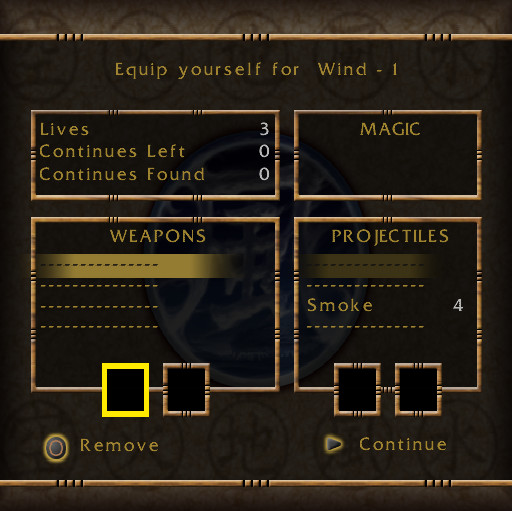
Weapon durability is where frustration can set in. Short swords and spears are useful finds, but every weapon degrades and eventually breaks, leaving repair items as another resource to worry about. There is tension in making your gear matter, yet here it risks feeling like upkeep rather than a satisfying tactical decision. The elemental spells at least offer a meaningful payoff for finishing trials, especially when you can exploit an enemy’s weakness.
Multiplayer offers two-person deathmatches with rules such as tag, survival, and time attack. It is a welcome detour from the solo campaign, particularly if you have someone nearby, but it does not transform Godai into a game worth buying for competitive play. Think of it as a bonus mode attached to the main quest, not the reason to return.
Graphics
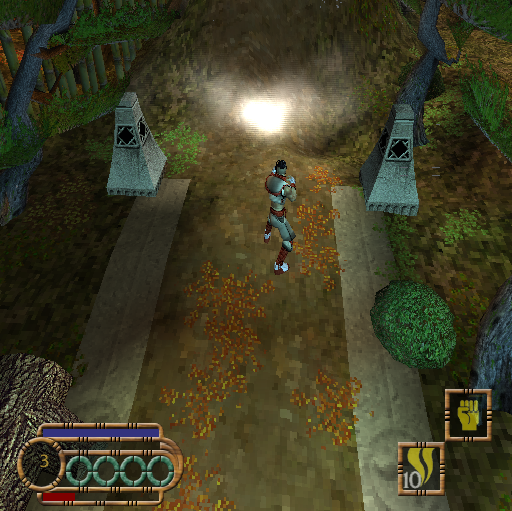
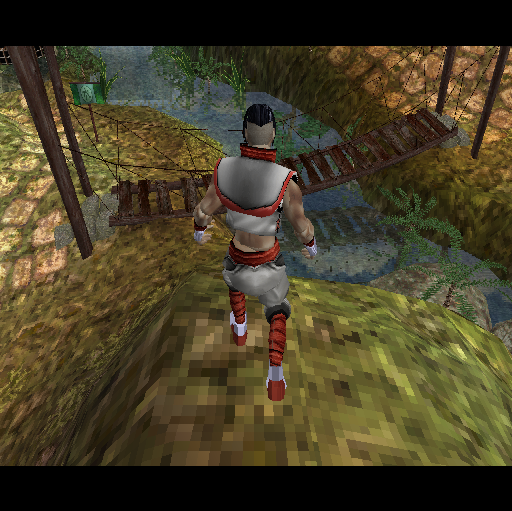
Godai uses a third-person view that keeps Hiro and the weapons he is carrying in front of you as you move through the adventure. The game’s elemental theme gives the trials and newly earned magic a clear role in what you are doing, though the visuals are not the reason this PS2 game stands out.
Story
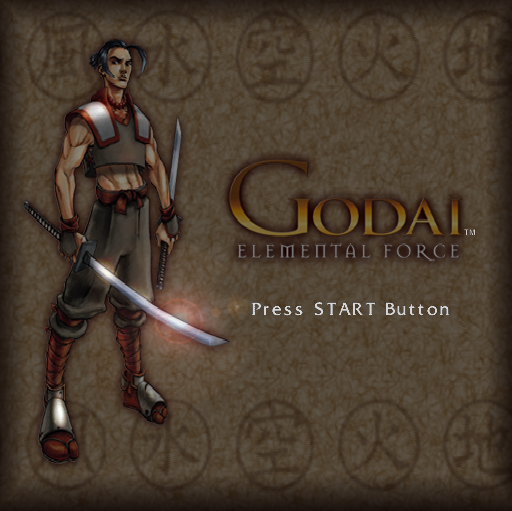
Hiro’s story is direct fantasy revenge: the Element Master Akunin murdered his royal parents shortly after Hiro was born, and now Hiro has grown up to challenge him. It is an old setup, but at least it wastes little time explaining why you are heading into dangerous elemental trials.
The four trials give the quest a useful structure. Earth comes first, establishing the path, while the other three can be pursued in your preferred order. That flexibility does more for the narrative momentum than the basic orphaned-heir premise; you can choose which step of Hiro’s training feels most urgent next.
Akunin waiting to finish what he began gives the campaign an obvious destination, but the story is mostly a frame for combat, weapons, and magic. Do not come in expecting a deeply layered fantasy drama. The plot works best when you treat it as motivation for Hiro’s progression from vulnerable adventurer to element-wielding challenger.
Overall Experience
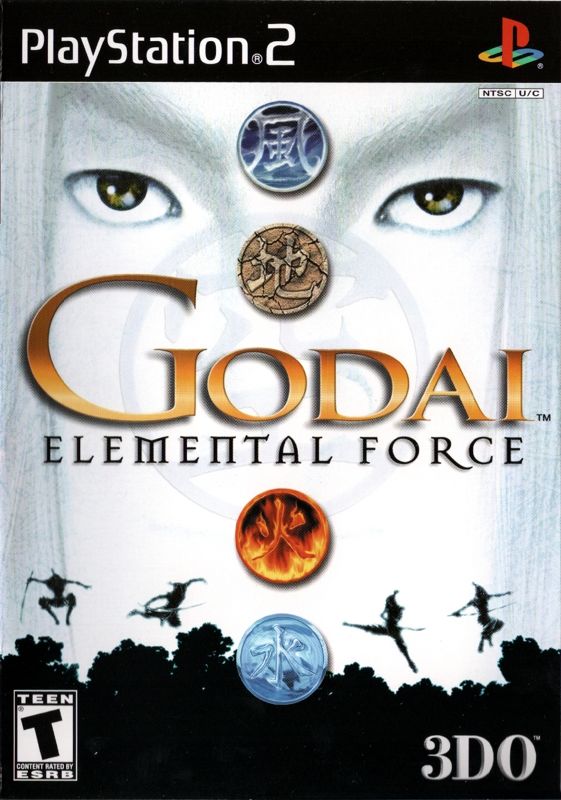
Godai: Elemental Force has the bones of a better PS2 action game. Trial order choice, elemental magic that matters against certain enemies, and several weapon classes all point toward an adventure with room for experimentation. In practice, the weapon-breakage hassle and underwhelming action leave those ideas carrying more of the load than they should.
If you enjoy digging through rough early-2000s console games, you may find some charm in its earnest fantasy quest and the satisfaction of adding each element to Hiro’s abilities. The campaign is most appealing when you are deciding where to go next and seeing a newly earned spell give you an edge.
For most gamers, though, this is an easy pass. Godai never turns its elemental progression into a consistently rewarding combat adventure, and its multiplayer is too slight to rescue it. Give it a chance only if the specific mix of PS2-era action, flexible trial order, and elemental character growth sounds more enticing to you than its many rough edges.

Reviews
There are no reviews yet.