 Retro Replay Retro Gaming History, Reviews & Emulation
Retro Replay Review
Gameplay
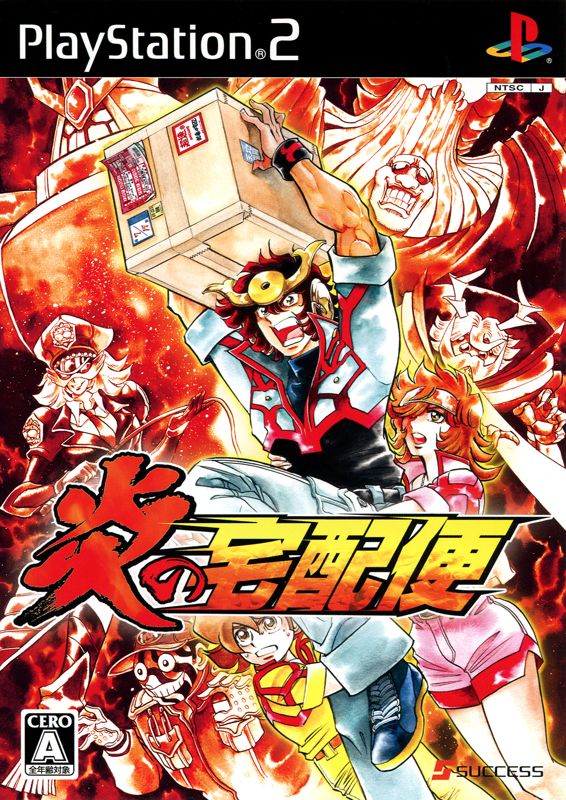
The first thing Honō no Takuhaibin gets right is the pressure. A delivery is not a passive errand here; it is a timed run through a city full of enemies that would happily ruin it. You are asked to keep moving, decide whether an opponent is worth fighting, and make sure the package count is handled before time expires. That tension gives the game more personality than a straightforward action brawler or driving game would have had on its own.
Jirō’s two vehicles are the hook that keeps the route-planning interesting. The van promises speed, while the hand cart can reach areas where the larger vehicle cannot go. Being able to switch at will means you are not locked into one bad decision, and learning when to abandon the road for a tighter path is where the stages start to click. If you want every delivery to feel like a clean sprint, the detours and enemy interference may grate. If you enjoy shaving time off a route while adapting on the fly, this is exactly the kind of friction that makes success feel earned.
Delivery Spirit adds a welcome release valve. Successful deliveries and defeated enemies feed a resource that can power special attacks or speed Jirō up, so good play helps you rescue a messy run. Boss days add another demand before the final drop-off, raising the stakes beyond simply reaching an address. The three difficulty settings also make the chapter-and-day structure more than a one-pass novelty; once you understand a stage, there is a clear reason to return and see whether you can manage it under harsher conditions.
Between days, points can be spent on van parts such as engines, tires, and frames. That progression suits the premise nicely: every completed shift can make the next one feel a little less desperate. Hidden packages scattered around the city, which unlock bonus menu items, give explorers something extra to chase. The game’s strongest moments come when all of this overlaps—an optional find tempts you off-route, enemies close in, and you have to decide whether the time loss is worth it.
Graphics
The story is delivered through fully voiced scenes built from sparsely animated still images. That format puts the emphasis on the characters and their exaggerated courier-company conflict rather than fluid cinematic motion, and it fits the broad anime tone.
Story
You play Jirō, an enhanced deliveryman built by the sinister Jakuniku Transport Company, now defecting to the battered Donkame Courier Company. It is a knowingly overblown setup: an evil delivery business pursuing world domination, a cult-leader-like boss named Jack Nick, and a hero who fights for love, justice, and low prices. The joke is obvious, but it is a good one, and the game commits to it.
Each day begins and ends with voiced story scenes, which gives the individual stages a sense of place in Jirō’s larger fight to keep Donkame alive and resist his former employer. The premise works because it gives mundane delivery objectives an absurdly heroic frame. You are not merely taking boxes from point A to point B; you are sticking it to a rival corporation that has already driven most of your coworkers away.
Jack Nick’s effort to force Jirō back under control provides a simple, dependable villainous push, while Jirō’s defection keeps the story centered on a courier trying to define his own purpose. Fans of the publisher’s other fiery-titled game, Honō no Tōkyūji: Dodge Danpei, may appreciate another dose of energetic Japanese game nonsense, though this one takes its melodrama to the delivery routes.
Overall Experience
Honō no Takuhaibin is at its best when it makes you feel like the only competent worker left in a city-wide courier war. The timed stages have enough competing demands to create real urgency, and the cart-and-van split stops the driving from becoming a one-note dash. It is a peculiar combination of action, route choice, and vehicle progression, but the parts point in the same direction.
Frustration is likely to set in when a route goes wrong late, especially if enemies, a boss requirement, and a delivery deadline all collide. Yet that is also why the game has a pulse: it wants you to recover, use Delivery Spirit intelligently, and return with a better route in mind. The higher difficulties and optional packages make that retry loop more inviting for anyone who enjoys mastering compact stages.
Give it a chance if a goofy, aggressive delivery game sounds more appealing than another standard race or brawler. The payoff is not in relaxed sightseeing; it is in turning a chaotic work shift into a last-second save, then spending the rewards to make tomorrow’s run better. Its premise is strange, its tone is shameless, and that commitment makes it easy to remember.

Reviews
There are no reviews yet.