 Retro Replay Retro Gaming History, Reviews & Emulation
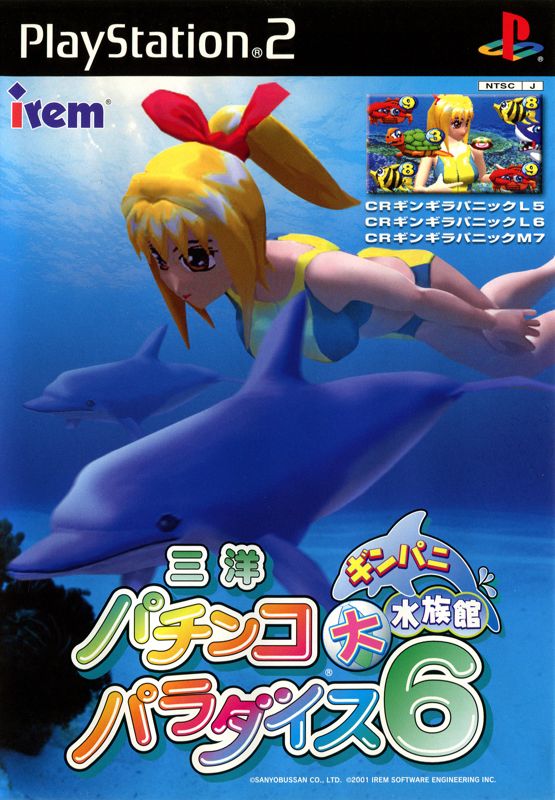
Retro Replay Review
Gameplay
The first few minutes make the game’s priorities clear: this is a pachinko simulation, not a loose casino-themed diversion. You choose from CR Gingira Panic L5, L6, and M7, then settle into the rhythm of releasing balls and watching whether chance, machine behavior, and your choices produce a worthwhile return. That deliberate pace will either be calming or feel glacial. If you enjoy studying a machine rather than simply mashing through a game, there is a quiet pull to it.
Tsūjō, or Normal mode, is the reason to spend time here. Its wide range of adjustable settings lets you tinker with each machine rather than treating every session as a fixed test of luck. The pleasure is in making changes, observing the result, and gradually finding the setup you prefer. It is a niche form of experimentation, but the game respects it instead of burying it under needless distractions.
Jissen, the Battle mode, gives that same core activity a firmer edge. You begin with a limited pool of balls, play on default settings, and race a time limit to win as many as possible. That structure makes every disappointing stretch sting more, and it gives successful runs a sharper sense of momentum. Switch here once free experimentation starts to feel aimless; it is the mode most likely to make you lean forward.
There are only three machines, so this is not a game built on endless variety. Its longevity depends on whether the differences among the Gingira Panic models and the satisfaction of adjusting settings hold your attention. Pachinko fans can get absorbed in that focus. Anyone hoping for a broad minigame collection or a more game-like campaign will run out of reasons to continue quickly.
Graphics
The PS2 cabinet recreations are the centerpiece: you spend your time facing the three Gingira Panic machines in first-person view, with their in-game displays supplying the flashes and animations that break up the ball-by-ball waiting. View mode lets you freely revisit those display animations, which is a smart inclusion for fans who enjoy the ornamental side of a pachinko machine as much as the result.
Story
There is no story mode, no campaign framing, and no attempt to give the machines a narrative excuse. You are here to play pachinko, full stop.
That absence actually suits the simulation’s stripped-back intent. Nothing interrupts a session to pull you away from the machine, so you can treat it like a practice tool, a tense score chase in Battle mode, or a low-key way to watch the displays.
Still, the lack of progression beyond your own goals makes this a tougher recommendation for anyone who needs milestones or a reason to move from one session to the next. The machines themselves have to carry the experience.
Overall Experience
Sanyō Pachinko Paradise 6: Ginpani Daisuizokukan knows exactly who it is for, and that clarity is its greatest strength. It offers three carefully recreated Sanyo machines, substantial setup control in Normal mode, and a stricter Battle option when you want your skill and luck tested under pressure. It does not pretend that pachinko needs a story or genre-mixing gimmicks to be interesting.
The trade-off is obvious: if the physical logic and ritual of pachinko do not already intrigue you, the restrained format will feel repetitive long before its details start to matter. There is little here to convert a skeptic. But for someone who wants a focused home simulation of these Gingira Panic machines, the patience the game asks for is also the point.
Give it a chance if you want to adjust settings, observe outcomes, and chase a better haul without being rushed except when you deliberately choose Battle mode. Skip it if you need a campaign, constant variety, or arcade-style immediacy. Within its narrow lane, it is a committed and sensibly structured pachinko package.


Reviews
There are no reviews yet.