 Retro Replay Retro Gaming History, Reviews & Emulation
Game Overview
Gameplay
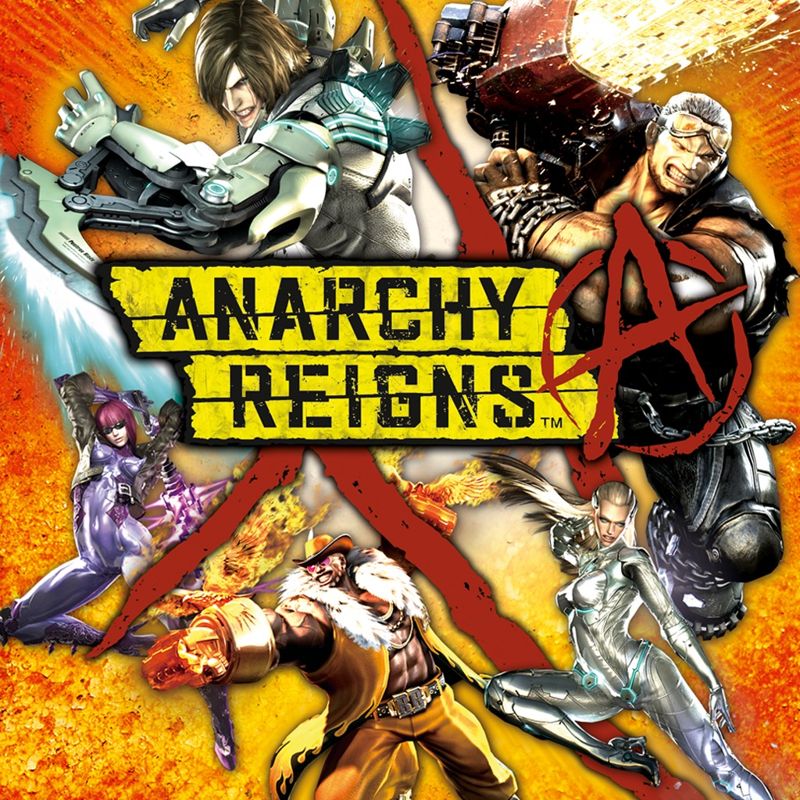
Anarchy Reigns starts with the satisfying bluntness of a proper arena brawler: pick a fighter, get into a large combat zone, and start finding out how their weapon changes the rhythm of every exchange. Jack Cayman’s Gator Tooth chainsaws promise one kind of up-close brutality, while Leo’s chargeable positron blades point you toward a more deliberate approach. Across the roster, weak and strong attacks, throws, evasive moves, lock-ons, and chainable combos give fights more shape than simple button mashing.
What makes a match memorable is the way that one-on-one pressure can abruptly become a battlefield-wide mess. You can keep an enemy in your sights, build Rampage while trading blows, then clear space with a powerful move when bodies start closing in. Shields and rocket launchers add another layer of opportunism. The Action Trigger Events are the real wild card: plane crashes, black holes, and blitz bombing can interrupt a clean fight with the kind of oversized chaos this game clearly wants.
That chaos is strongest in multiplayer. Battle Royale, Capture the Flag, Death Ball, Death Match, Survival, and Tag Team give the 16-player format room to breathe, whether you want a direct scrap or an objective pulling combatants across the arena. Expect disorder rather than elegant competitive purity. If you enjoy adapting on the fly, stealing an opening amid several opponents, and laughing when an arena event ruins everyone’s plan at once, it has a wonderfully unruly pull.
The single-player campaign is less persuasive. Jack and Leo each move through hubs by defeating set numbers of enemies to open new missions, and that structure can become repetitive once the first rush of learning a fighter fades. There are crossover points between their routes and an additional Red stage after the four White and Black stages, but the solo mode largely reuses multiplayer environments. It works as a combat sampler and a path through the conflict; it does not deliver the same sustained spark as a live arena full of human opponents.
Graphics
The view stays behind your chosen fighter, putting weapons, throws, and close-range hits right in front of you. Large arenas have to accommodate crowded fights and extreme Action Trigger Events, from crashing planes to black holes, so the imagery favors broad, violent spectacle over restraint. The post-apocalyptic wasteland is populated by mutants, cyborgs, and fighters carrying distinctly oversized gear, including chainsaws, nunchucks, tridents, pilebunkers, and blades.
Story
The story begins in an Earth wrecked by a new world war, now a wasteland crawling with mutants and cyborgs. It is an appropriately harsh backdrop for a game where combatants settle arguments with chainsaws, charged blades, and revolver cannons. The tone is unapologetically exaggerated, matching the violence of the matches rather than asking you to treat the setting with grave seriousness.
Its core is a two-sided pursuit. Jack, the returning MadWorld protagonist, and Leo, a Strike One agent from the Bureau, are enemies, yet both are hunting Maximillian Caxton, the man responsible for Jack’s daughter’s death. Giving each man a campaign makes their collision easier to follow and adds a little purpose to the procession of fights.
The returning MadWorld faces—Big Bull, Blacker Baron, Mathilda, and Rin Rin—help tie the game to its predecessor, while the new roster expands the conflict with characters such as Ai Rin, Durga, Garuda, Sasha, Zero, and Caxton himself. Don’t come expecting the campaign to eclipse the fighting; its job is mainly to move you between confrontations and show off this aggressively strange cast.
Overall Experience
Anarchy Reigns is at its best when you stop trying to make every encounter orderly. Learn a fighter’s combo routes and defensive options, use the lock-on when a specific rival needs to go down, then stay alert for weapons, crowd pressure, and environmental events. That tension between practiced brawling and sudden arena nonsense is its strongest hook.
There is real variety in the roster, and the multiplayer modes make good use of it. A mechanical fighter that can become a jet, a cybernetic ninja with katanas, a reptile-transforming combatant, and a chainsaw antihero are not subtle alternatives, and that is exactly the point. Different styles encourage you to try another fighter rather than treating the sixteen-character lineup as cosmetic selection.
Frustration arrives when the campaign asks you to clear more enemies in familiar spaces, especially if you are playing alone mainly for plot. But if you want a rough-edged, over-the-top third-person brawler whose best moments happen when a personal duel detonates into a huge multiplayer pileup, it earns the time. The payoff is worth it for combat fans who value wild matches over polish and discipline over spectacle.

Reviews
There are no reviews yet.