 Retro Replay Retro Gaming History, Reviews & Emulation


Retro Replay Review
Gameplay
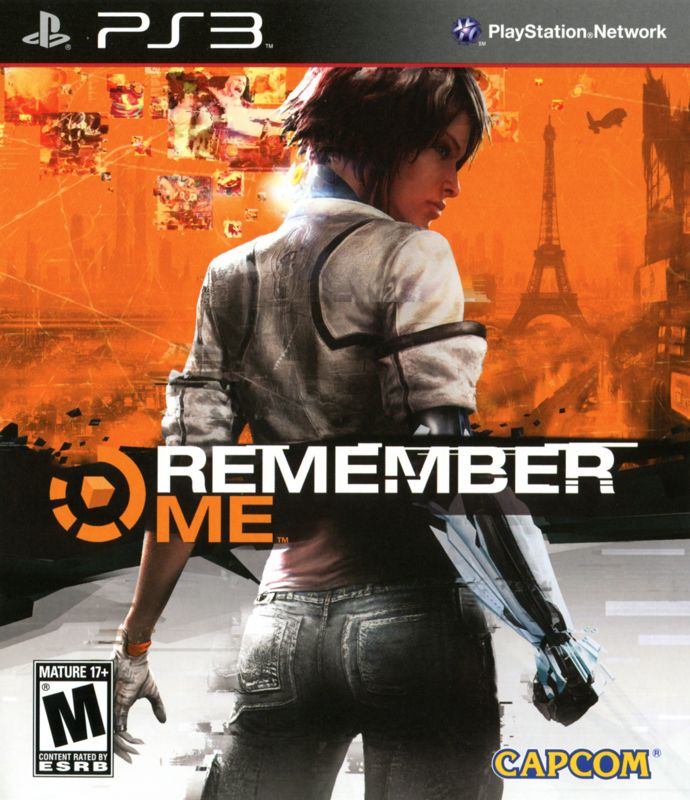
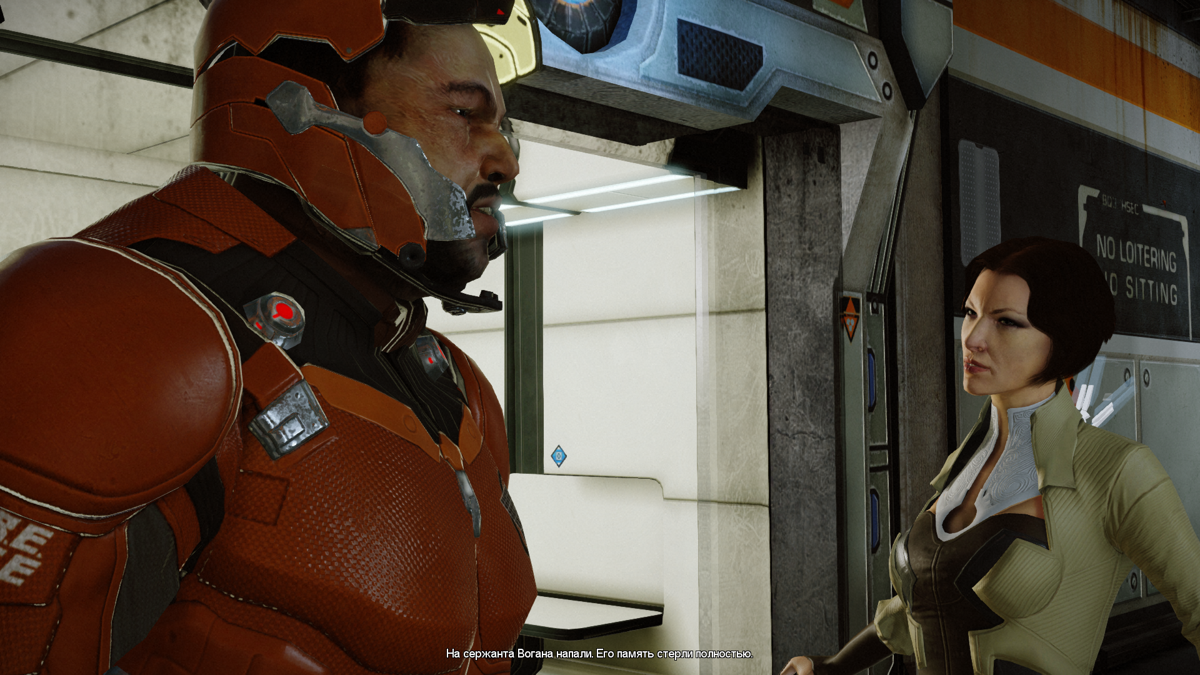
Remember Me starts with a useful kind of disorientation. Nilin has lost her memories, and you are dropped into her fight against Memorise with just enough information to understand the immediate stakes. The early pull comes from wanting to know who Nilin was before her employers erased her, and from seeing how far this Neo-Paris has gone in turning human recollection into something that can be uploaded, traded, stolen, and edited.
Its best idea is memory remixing. These sequences let you enter someone’s memory and alter pieces of it so the person comes away with a different version of events. That is a much more distinctive use of the game’s central theme than simply treating memories as collectible lore. The goal is clear, the consequences are personal, and the process makes you pause and consider which details might plausibly push a recollection in another direction. Whenever Remember Me returns to this concept, it feels like the game you wish it could be all the time.
Most of your time, however, goes into direct combat. Nilin builds combos in the Combo Lab by arranging Pressens: Regen for healing, Power for damage, Chain for doubling previous moves, and Cooldown for restoring S-Pressen energy. At first this can seem fussier than it is satisfying, because you are asked to think about the purpose of each hit rather than simply assemble the hardest-hitting string. Give it time. Once you start building a chain that restores health, recharges special energy, or amplifies a useful previous move at the moment you need it, the system begins to feel like a tactical puzzle inside a brawler.
There is a huge amount of theoretical combo variety—more than 50,000 possible combinations—but that number is less important than whether you enjoy tuning a few reliable strings. You do not need to chase every option. Pick combinations that solve your immediate problem, then revise them as more Pressens and S-Pressen abilities arrive. The special moves add welcome bursts of power, from high-speed movement to taking control of enemy units, and they help break up the regular exchanges.
Frustration can set in when the game leans on conventional action-adventure ingredients such as stealth, QTEs, and brawling more heavily than its unusual memory premise. The combat customization is clever, but it does not make every encounter equally exciting. Still, the systems have enough personality that experimenting with your loadout is usually more rewarding than treating each fight as a button-mashing interruption.

Graphics
Neo-Paris gives Remember Me an immediately recognizable sci-fi setting: a future city shaped by memory technology and corporate control, viewed from behind Nilin as she moves through the campaign. The third-person camera keeps the focus on Nilin’s hand-to-hand encounters and on the targets whose memories she remixes, while the futuristic city backdrop gives the story’s surveillance-and-consumerism themes a concrete place to live.
Story
Nilin is an effective lead because her mission is not only to topple Memorise; it is also to reclaim the person she was before the company wiped her mind. That double objective gives the familiar rebellion-against-an-evil-corporation plot a more intimate center. You are not just fighting a faceless system because it is oppressive. You are following someone whose identity has been directly damaged by the very product that system sells.
The Sensation engine is the story’s strongest piece of sci-fi. A brain implant that lets people upload and share memories over a network is a natural route into questions of privacy, manipulation, and ownership, and Remember Me gets practical mileage from it through Nilin’s work as a memory hunter. Her former job—stealing and altering memories—also makes her a fitting protagonist for a story about what remains of you after your past is taken away.
The Errorists and their leader, Edge, give Nilin allies in her campaign against Memorise, but the central tension remains her incomplete past. That focus is what keeps the plot engaging through the more familiar beats of a resistance movement versus a powerful corporation. If you like science fiction that treats memory as something emotionally important as well as technologically exploitable, this story has a sturdy hook.
Overall Experience
Remember Me is easy to recommend with a qualifier: come for the memory-remixing concept and Nilin’s search for herself, not because you expect every combat encounter to rival the game’s most original ideas. Its action systems are more thoughtful than a standard brawler’s, especially once you understand how Regen, Power, Chain, and Cooldown Pressens can be arranged to fit your style, but they sometimes feel like a long route back to the next story revelation.
That does not make the combat disposable. Building combos around recovery, damage, and energy management gives you real ownership over Nilin’s toolkit, and the S-Pressen moves add a satisfying sense of progression. The catch is that the Combo Lab rewards patience. If customizing attack strings sounds like homework, the game’s largest mechanical investment may wear on you. If it sounds like an invitation to tinker, it can turn routine fights into small planning exercises.
The payoff is worthwhile for gamers who can accept an uneven action-adventure in exchange for a sharper-than-usual sci-fi premise. Remember Me has a memorable core idea, a protagonist with a personal reason to fight, and a combat system that improves when you engage with it on its own terms. It does not always balance its inventive ambitions with equally inventive moment-to-moment action, but it remains far more interesting than its rough edges suggest.


Reviews
There are no reviews yet.