 Retro Replay Retro Gaming History, Reviews & Emulation
Retro Replay Review
Gameplay
The first proper pursuit tells you exactly why Driver: San Francisco still has a following. You are tearing through crowded streets after Jericho, then the Shift ability opens up and suddenly the city is not merely a course to memorize. It is a box of moving pieces. Jump into another driver’s car to stay with a fleeing target, take control of traffic ahead, or plant a heavy vehicle in the path of somebody you need to stop. One wreck does not automatically end the chase, which makes these pursuits feel more like unruly action scenes than strict racing tests.
Shift is more than a clever escape hatch. It changes how you look at traffic, distance, and opportunity. A car you would usually dismiss becomes a shortcut across the map; a truck becomes a roadblock; an oncoming vehicle becomes a weaponized inconvenience for your rival. Jericho can Shift too, including taking Tanner’s body after Tanner has moved on, so the story’s major chases retain some tension rather than becoming a one-sided power fantasy.
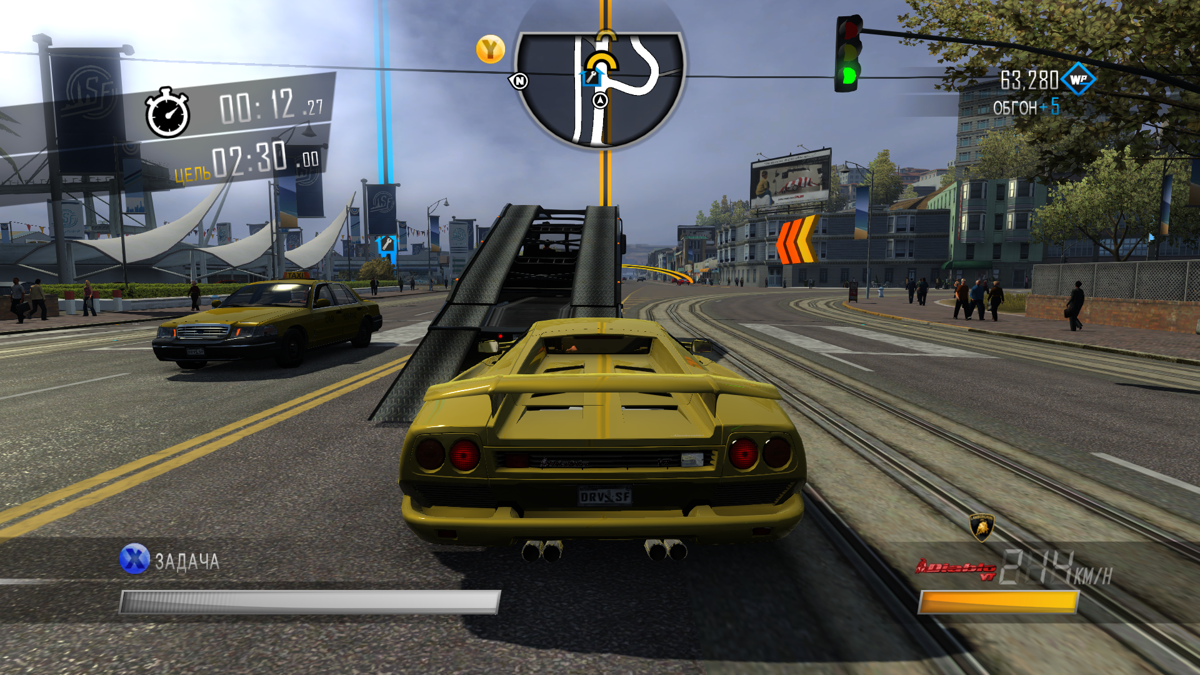
Outside the main plot, the unrestricted San Francisco map gives you room to chase races, stunts, and small vignette missions with their own mini-stories. One moment you may be handling a straightforward race, the next you may be helping film a stunt scene. That variety matters because the whole game stays behind the wheel: this is a return to the original Driver’s car-only focus, with no on-foot detours to dilute its strengths. There are 140 licensed vehicle types, from Volkswagens to Lamborghinis, and the traffic-packed streets regularly offer ramps, obstacles, and bad ideas worth trying.
The driving toolkit is direct and arcade-minded, built around regular controls plus boost and ramming attacks. Pedestrians dive clear rather than becoming targets, keeping attention where it belongs: on cars, corners, and collisions. Multiplayer extends the Shift concept into competitive and cooperative modes, including police escapes and street-racer takedowns, though technical races can disable it. That is sensible; Shift is the game’s wild card, but conventional races benefit from a cleaner contest.
Graphics
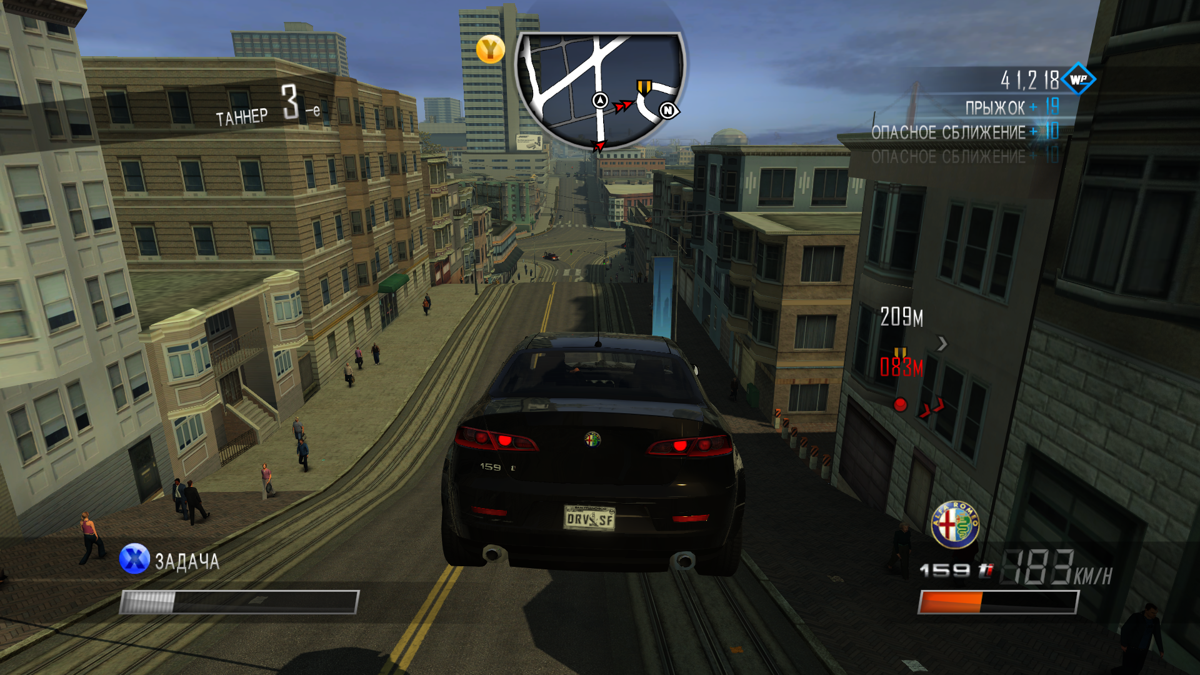
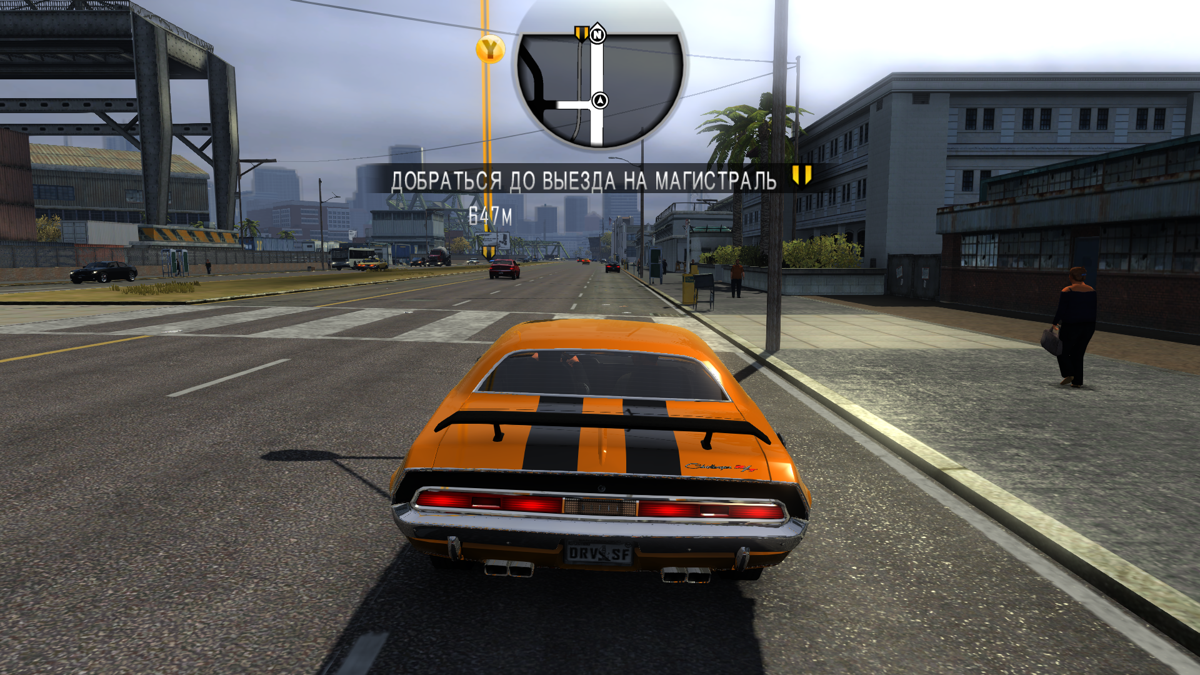
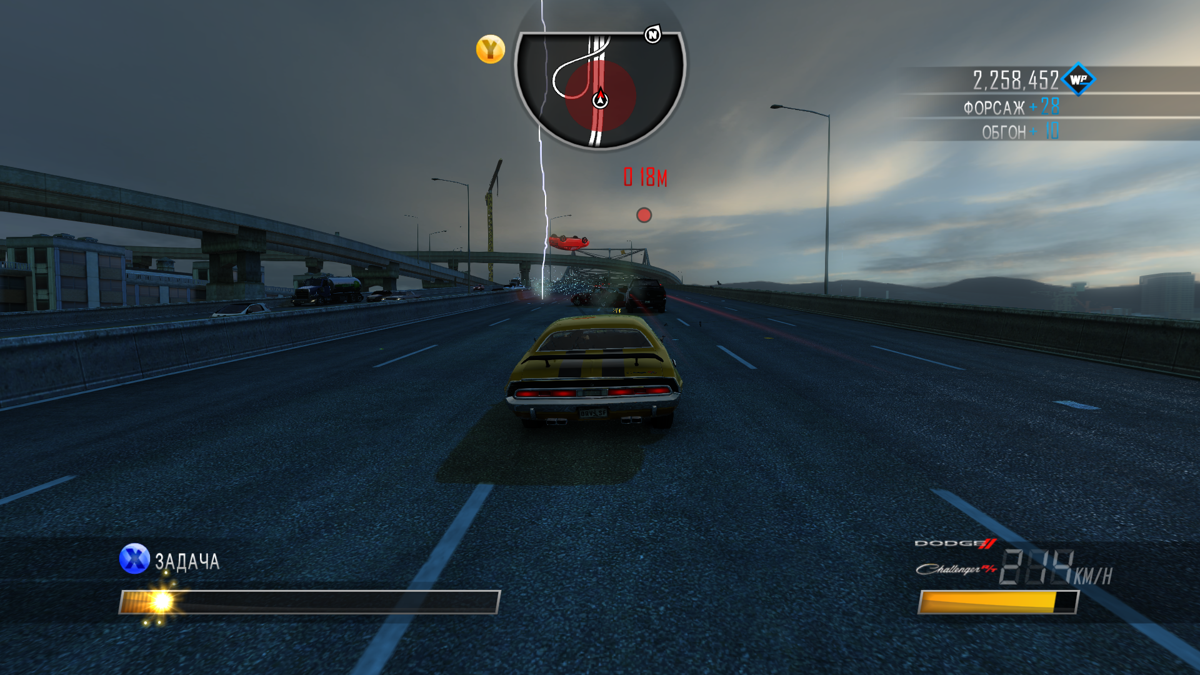
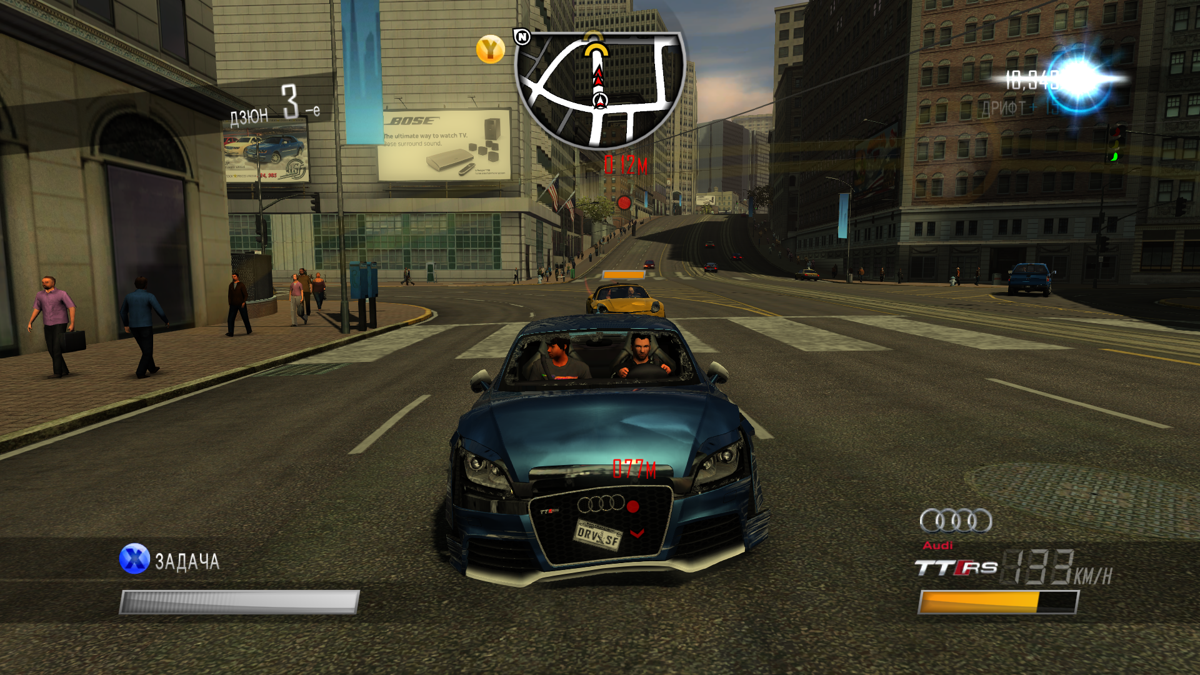
San Francisco is seen from behind the car, with streets full of traffic and enough roadside obstacles to make stunt attempts tempting. During missions, character conversations are represented by portraits near the top of the screen, keeping the camera on the driving rather than cutting away from the action.
Story
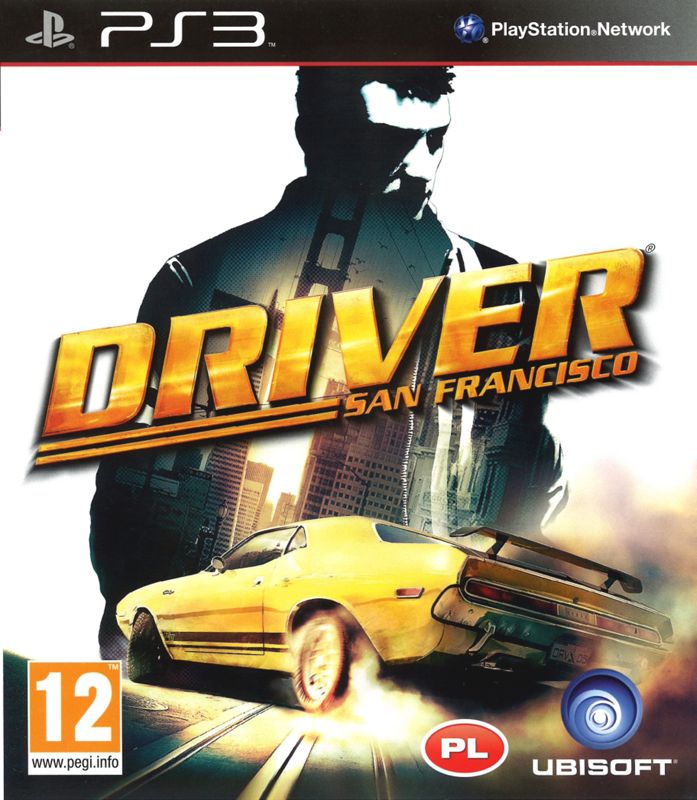
Driver: San Francisco does not tiptoe around its ridiculous premise. Six months after Driv3r, undercover cop John Tanner pursues escaped criminal Charles Jericho through San Francisco, gets hit by a Big Rig, and falls into a coma. Most of the game then unfolds inside Tanner’s dream, where his unexplained ability to inhabit other drivers becomes the foundation for both the plot and the gameplay.
That setup is a much better fit for the series than it sounds in a dry synopsis. Shift needs an excuse, and the coma dream gives the game permission to be playful without pretending this is ordinary police work. Tanner gradually realizing where he is gives the campaign a direction beyond simply winning the next race or catching the next criminal.
Jericho is also a useful antagonist because he operates by the same strange rules. His ability to Shift prevents the premise from feeling like Tanner has been handed a cheat code with no answer. Conversations continue during the driving, and the game’s focus stays on the cat-and-mouse chase rather than dragging you out of the car for unrelated action sequences. For extra background on the game’s history and release, see this Driver: San Francisco overview.
Overall Experience
This is an arcade driving game that earns its odd premise by making it fun at the controller. Shift could have been a one-note novelty, but it constantly creates new decisions: do you remain in the fast car you have, leap ahead to interfere, or sacrifice a vehicle to make the target’s route miserable? Once that starts clicking, even familiar-looking city driving becomes a lively tactical scramble.
The payoff is strongest if you enjoy action racers that value momentum, chases, and inventive disruption over pure lap-time discipline. The city is not just a backdrop for routes between events; it is a reservoir of vehicles you can hijack in seconds. Its missions, races, stunts, and film-oriented diversion give that central idea plenty of chances to stretch.
If you wanted the series to return to cars rather than repeat the on-foot experimentation of Driver: Parallel Lines, this is the course correction to play. Its 7.8 score feels right: Driver: San Francisco is not memorable because it has more cars or a bigger map, but because it finds a bizarre, satisfying way to make every car on the road part of the chase.


Reviews
There are no reviews yet.