 Retro Replay Retro Gaming History, Reviews & Emulation
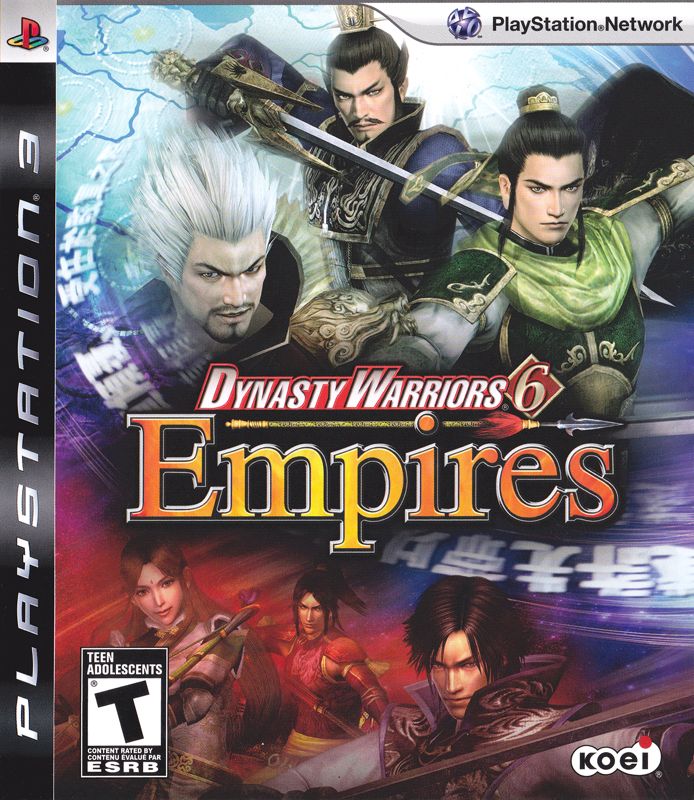
Retro Replay Review
Gameplay
The first hour has a satisfying loop: choose your direction on the conquest map, march into a neighboring territory, then personally carve through the fighting as an officer. Dynasty Warriors 6 supplies the foundation, while Empires gives each battle a larger purpose. You are not simply clearing another stage; you are trying to bring Ancient China under one leader.
The monthly decisions are simple, but they prevent the campaign from becoming a completely mindless string of fights. Skill cards ask you to make a strategic choice before acting, and deciding whether to attack or pass can matter when an enemy may strike your own territory. The map game is not elaborate enough to satisfy someone looking for dense strategy, yet it does a good job of framing the action and making expansion feel tangible.
Changing allegiance at any time is one of the more interesting wrinkles. It loosens the campaign from a rigid faction path and lets you redirect your ambitions when your current side no longer suits you. That flexibility may also make the wider struggle feel less committed and dramatic, since loyalty is always negotiable, but it suits a game built around making your own route through conquest.
Weapon progression is another reliable hook. Leveling weapons in the style of Dynasty Warriors 4, then equipping skills and abilities, gives your officer some welcome long-term growth. The character creator helps even more: you can build up to 100 custom officers from existing stances, weapons, and unlockable clothing pieces, then bring them into conquest beside famous leaders, generals, and generic officers. Meng Huo’s return as a playable general is a nice extra for series regulars.
Graphics
Combat is viewed from behind your officer, keeping the immediate target and the surrounding battlefield in sight as you push through enemies. Custom characters draw much of the visual interest here, since unlockable garment parts let you put a personal stamp on the officers joining your campaign.
Story
This is a conquest story more than a tightly authored tale. Your central objective is clear from the start: unify Ancient China under one leader. That broad goal gives the campaign a historical-warrior backdrop without demanding that you follow one fixed protagonist’s journey.
Because you can change allegiance whenever you want, the narrative belongs largely to your decisions. You may begin as one ruler’s supporter and ultimately help another faction claim the map. That is less likely to deliver a focused dramatic arc, but it can make a successful campaign feel like your own political climb rather than a prewritten sequence.
The large pool of leaders, generals, custom officers, and generic-looking officers also makes the war feel populated. Don’t come here expecting a deeply scripted historical account; come for the satisfaction of choosing a side, fielding familiar warriors, and watching your chosen power spread across the map.
Overall Experience
Dynasty Warriors 6: Empires is at its best when you want your battles to add up to something. The action remains the main attraction, but the territorial campaign, weapon growth, and officer creation give it a sturdier reason to continue than a disconnected run of stages.
Frustration can set in if you expect either half to go much further. The conquest choices are intentionally light, and the open allegiance system favors freedom over a carefully shaped faction narrative. It lands in the middle because its strategic ideas add flavor rather than transforming the series into a genuinely deep tactics game.
Even so, the payoff is worthwhile for Dynasty Warriors fans who enjoy setting their own campaign goals. Build an officer, choose a ruler, expand territory, and let the battlefield victories gradually become an empire. Anyone after a richer strategy simulation should look elsewhere, but this remains an agreeable, customizable spin on the series’ familiar power fantasy.


Reviews
There are no reviews yet.